BioStacks
Other Ingredients (6)
CarboxymethylcelluloseThickener
Carboxymethylcellulose was the second emulsifier (with polysorbate 80) in Chassaing et al. 2015 (Nature, PMID 25731162), which showed mucus-barrier thinning, a microbiota shift toward pro-inflammatory species, low-grade inflammation, and metabolic syndrome in mice. Chassaing 2022 (Gastroenterology, PMID 34774538) tested CMC directly in a randomized controlled human feeding trial and found reduced microbial diversity and bacterial encroachment into the normally sterile mucus layer in a susceptible subset of participants. EFSA's 2018 re-evaluation could not establish a safe level due to data gaps. For a purely textural excipient, the gut-barrier risk profile is unfavorable when safer thickeners are widely available.
MaltodextrinBinder
Spikes blood sugar faster than table sugar (glycemic index 85–105). Research links it to gut bacteria changes that may promote intestinal inflammation (Nickerson et al. 2015). Used as a cheap filler — adds nothing beneficial.
Silicon DioxideAnti-caking
Fine silica powder used to prevent clumping
DextroseSweetener
A simple glucose sugar used as a bulking agent, sweetener, and tablet diluent
CrospovidoneDisintegrant
Cross-linked synthetic polymer used as a tablet disintegrant to help tablets break apart quickly in the stomach
Microcrystalline CelluloseBinder
Plant-derived cellulose used as a binder and filler in supplements
How to Take It
Best taken in the evening
A fast-dissolve tablet absorbs quicker than a swallowed one — 20–30 minutes before bed is enough.
With or without food
On the label
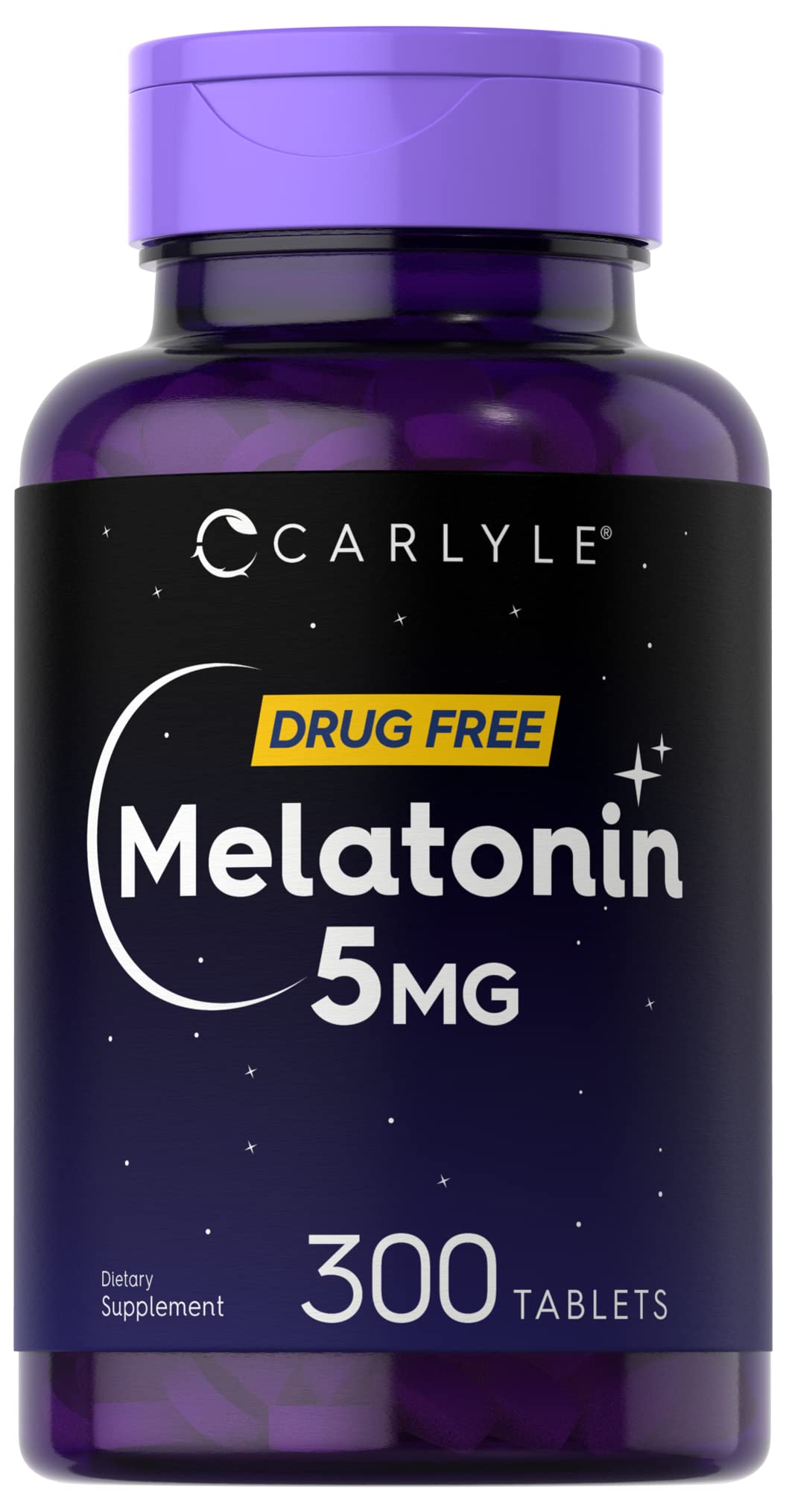
Adults, take 1 tablet 30 minutes before bedtime. Dissolve in mouth or chew before swallowing. No water necessary.
General guidance based on the ingredients, not a substitute for the label or your doctor.
Price Check
$12.12
Near the median of 203 melatonin supplements
Track this supplement in your stack
Get personalized insights, interactions, and coverage recommendations.
Get Started FreeSimilar Supplements
Sources & Scoring
Nutrient data (RDA, UL, and safety thresholds) sourced from the NIH Office of Dietary Supplements and the National Academies Dietary Reference Intakes (DRI).
This is not medical advice. Consult a healthcare provider before making changes to your supplement routine.
The score analyzes what's on the label: ingredient doses vs. studied ranges, chemical forms, evidence levels, and known interactions. It does not verify label accuracy or test for contaminants — for that, look for third-party certifications like USP or NSF.