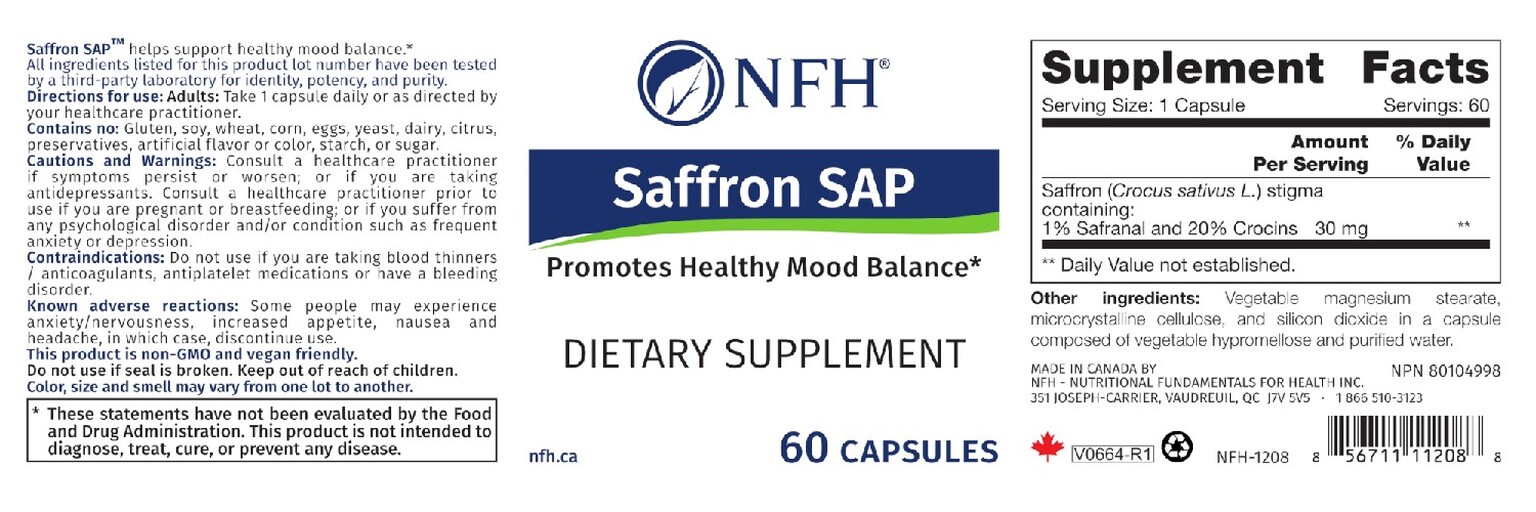
If you're looking for natural mood and stress support, this product uses **affron**, a patented saffron extract standardized to 3.5% lepticrosalides. You're getting 28mg per serving — just under the 30mg dose used in most clinical trials, but close enough that you're likely in the effective range. Meta-analyses show saffron extract at this dose can meaningfully reduce symptoms of low mood and anxiety.
The affron brand specifically has its own clinical trials behind it, which gives you more confidence that the extract quality matches what was actually studied. Saffron works through serotonin-related pathways, and most studies show effects within 4–8 weeks of daily use.
At 28mg versus the standard 30mg research dose, you're getting about 93% of the studied amount — a minor shortfall. Keep in mind that saffron supplements are not a substitute for professional mental health care if your symptoms are severe.
BioStacks
Best for
Ingredients (1)
Affron
100%Dose
28 mg
Target
14–30 mg
Form
—
Other Ingredients (6)
Magnesium StearateLubricant
A salt of stearic acid used as a lubricant in tablet and capsule production
Silicon DioxideAnti-caking
Fine silica powder used to prevent clumping
Microcrystalline CelluloseBinder
Plant-derived cellulose used as a binder and filler in supplements
Microcrystalline CelluloseBinder
Plant-derived cellulose used as a binder and filler in supplements
Stearic AcidLubricant
Saturated fatty acid used as tablet lubricant
Purified WaterSolvent
Water meeting USP specifications used as solvent/vehicle in gummies and liquids
How to Take It
Take it anytime
Trials dose it once or twice daily for 6-8 weeks; timing within the day wasn't a variable. Consistency is what matters.
With or without food
On the label
Suggested Usage: 2 capsules per day or as directed by a health professional.
General guidance based on the ingredients, not a substitute for the label or your doctor.
Price Check
$20.97
Near the median of 26 saffron supplements
Track this supplement in your stack
Get personalized insights, interactions, and coverage recommendations.
Get Started FreeSimilar Supplements
Sources & Scoring
Nutrient data (RDA, UL, and safety thresholds) sourced from the NIH Office of Dietary Supplements and the National Academies Dietary Reference Intakes (DRI).
This is not medical advice. Consult a healthcare provider before making changes to your supplement routine.
The score analyzes what's on the label: ingredient doses vs. studied ranges, chemical forms, evidence levels, and known interactions. It does not verify label accuracy or test for contaminants — for that, look for third-party certifications like USP or NSF.