BioStacks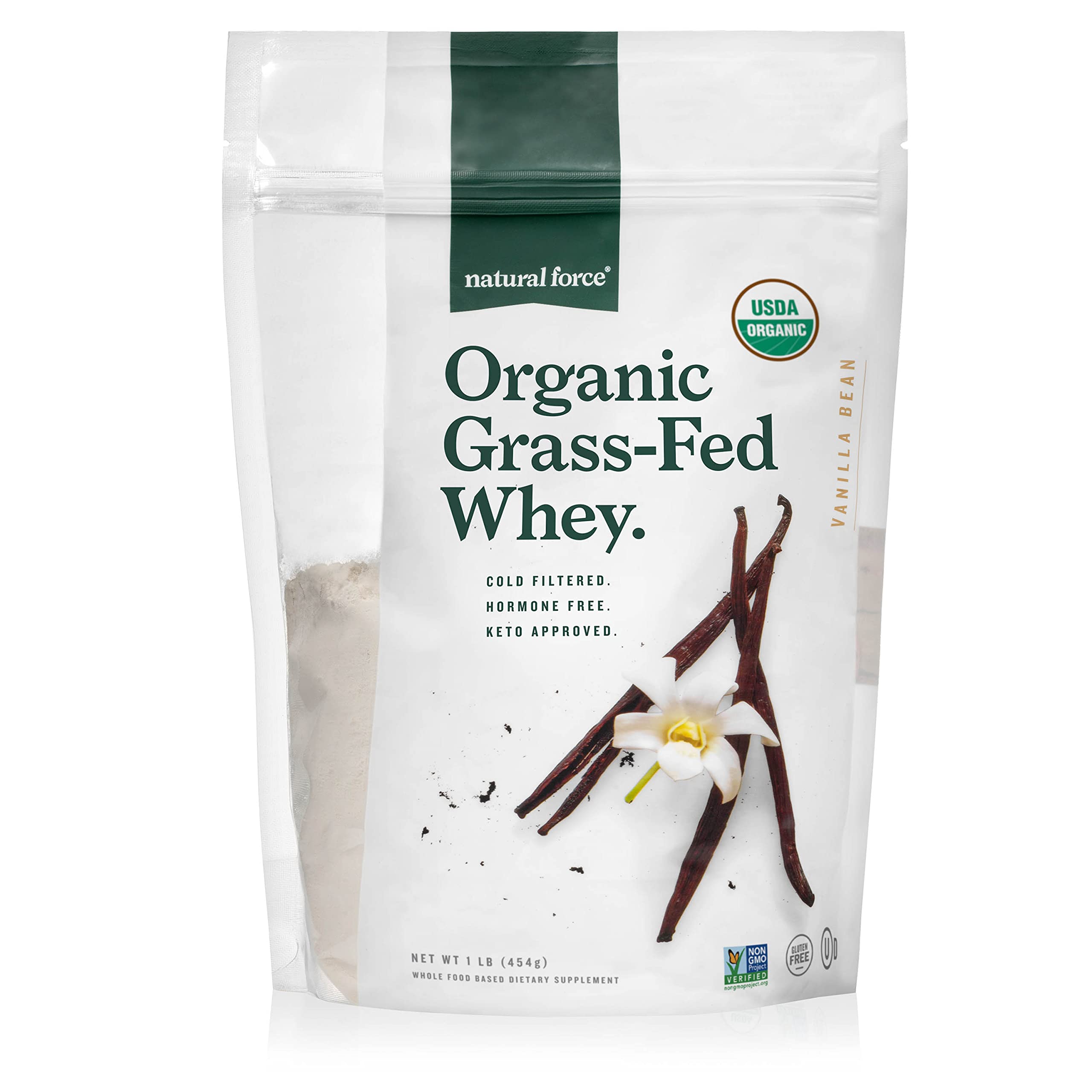
Best for
Ingredients (21)
Leucine
100%Dose
8710 mg
Target
2000–5000 mg
Form
—
Alanine
100%Dose
4360 mg
Target
3200–6400 mg
Form
—
Tyrosine
100%Dose
2480 mg
Target
500–2000 mg
Form
—
Valine
100%Dose
4830 mg
Target
1500–4000 mg
Form
—
Isoleucine
100%Dose
5280 mg
Target
1500–4000 mg
Form
—
Nutrition
Calories, macros & sodium.
- Sodium30 mg
Other Ingredients (1)
Whey ProteinProtein Source
Common dairy-derived protein that sometimes appears in the other ingredients list due to label parsing
How to Take It
Best taken in the evening
Take at night. Other amino acids compete for brain uptake, so a protein-heavy meal blunts it. Take it between meals, away from food.
On an empty stomach
Keep it away from protein-heavy meals
Space it a couple of hours from SAMe
On the label
SMOOTHIES: Pour 12oz cold liquid into your blender. Add 1 level scoop with 1 cup frozen greens, ½ cup frozen fruit, and 1 tbsp quality fat such as MCT oil. Blend until smooth. SHAKES: Pour 12oz cold liquid into your shaker cup. Add 1 level scoop and shake vigorously. BAKED GOODS: Add 1 level scoop to your favorite pancake, waffle, or baking mix.
Do not combine with St. John's Wort
Each of these raises serotonin activity on top of St. John's Wort, and together they can trigger serotonin syndrome — agitation, rapid heartbeat, raised blood pressure. Not without medical supervision.
General guidance based on the ingredients, not a substitute for the label or your doctor.
Price Check
$37.99
Pricier than 71% of 798 multivitamins
Track this supplement in your stack
Get personalized insights, interactions, and coverage recommendations.
Get Started FreeSimilar Supplements
Natural Force
Organic Grass-Fed Whey (Vanilla Bean)
💪 for Muscle
64
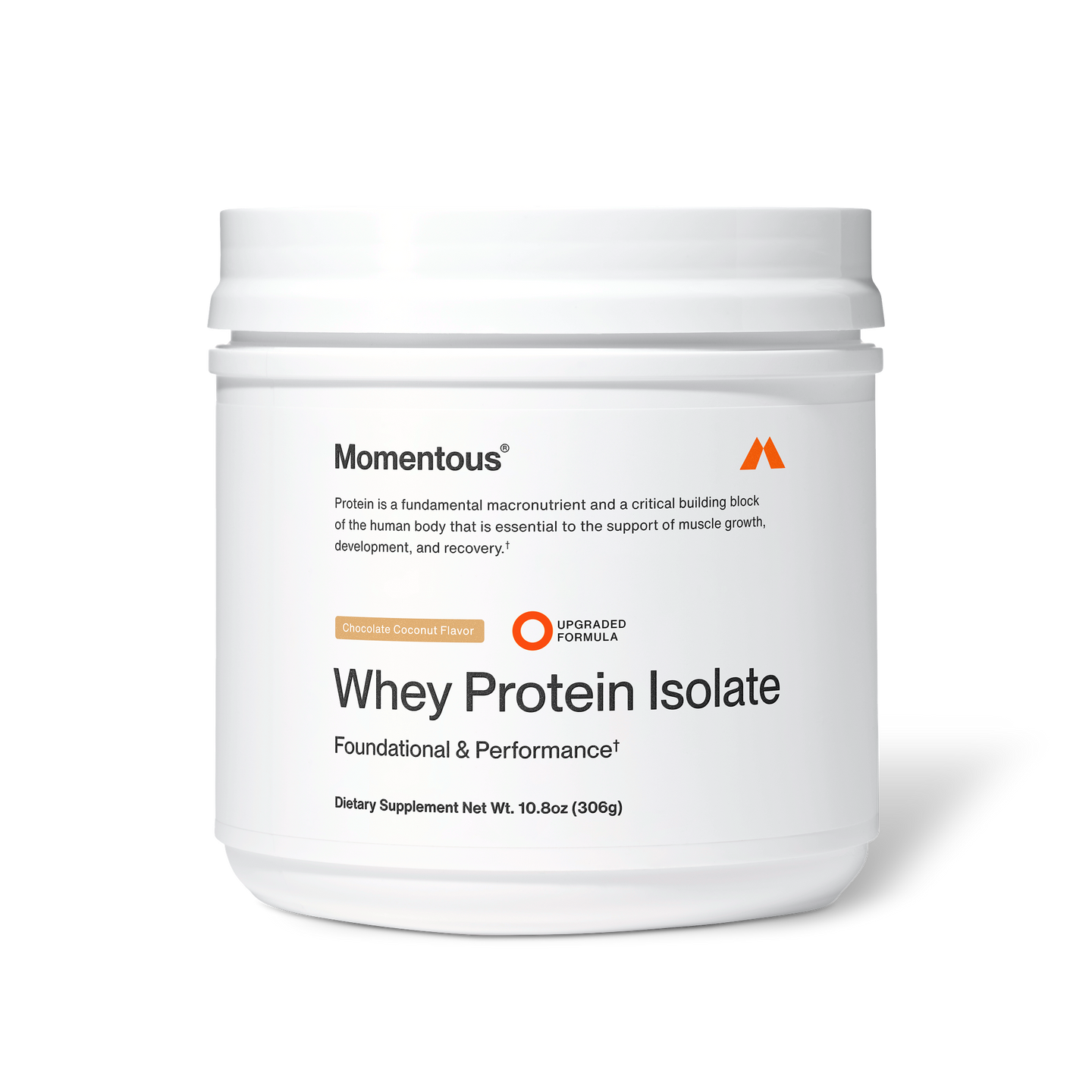
Momentous
Whey Protein Isolate (Chocolate Coconut)
💪 for Muscle
54
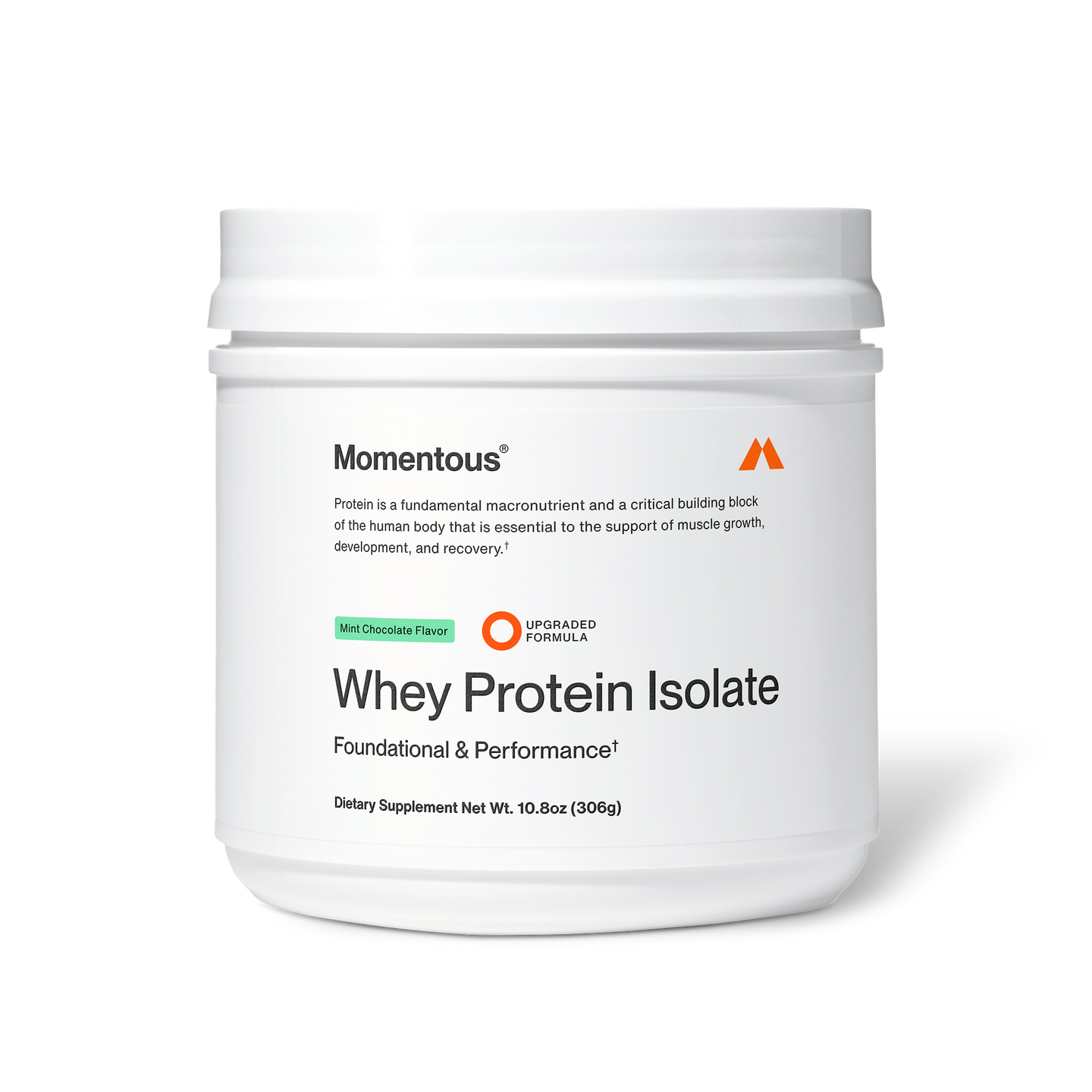
Momentous
Whey Protein Isolate (Mint Chocolate)
💪 for Muscle
54
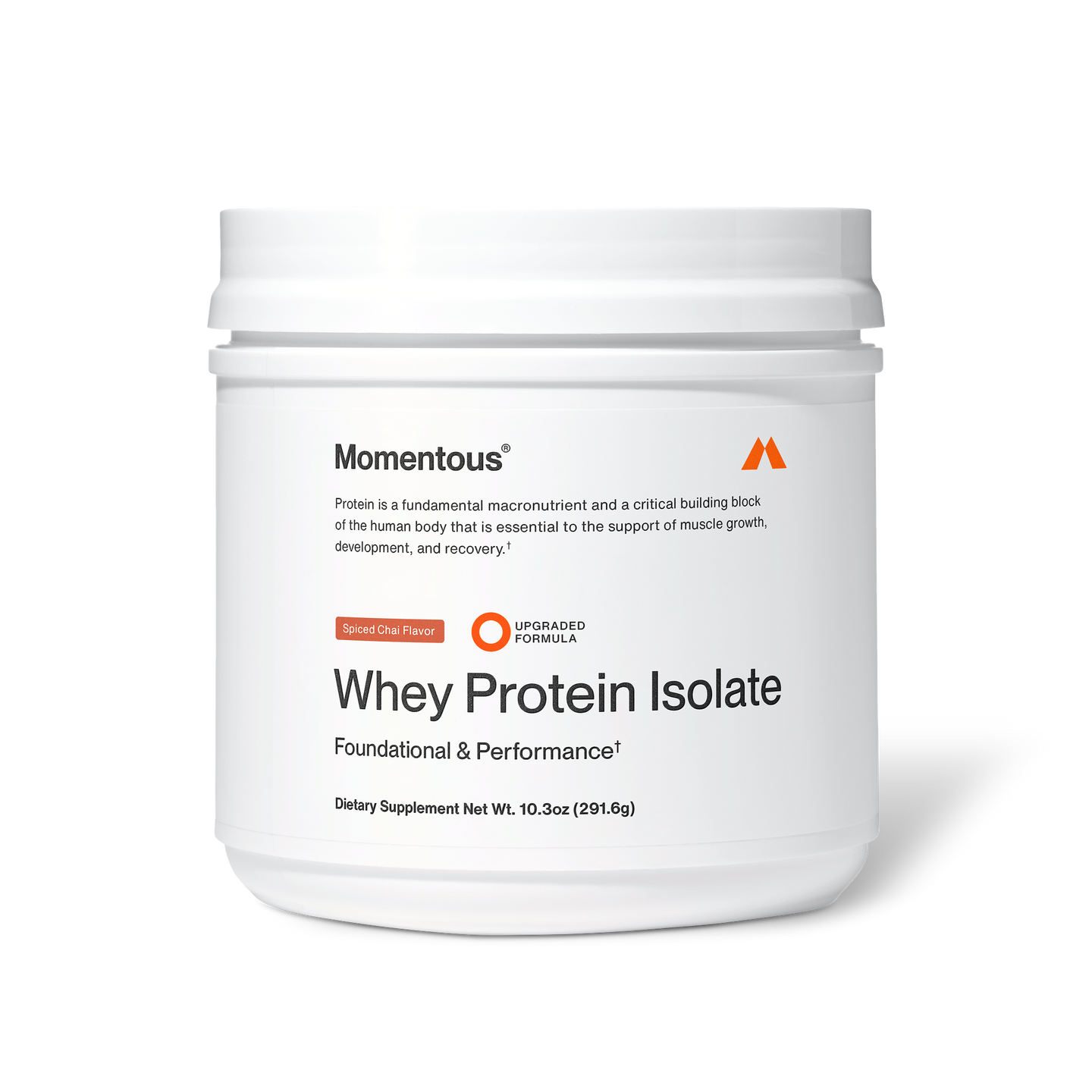
Momentous
Whey Protein Isolate (Spiced Chai)
💪 for Muscle
54
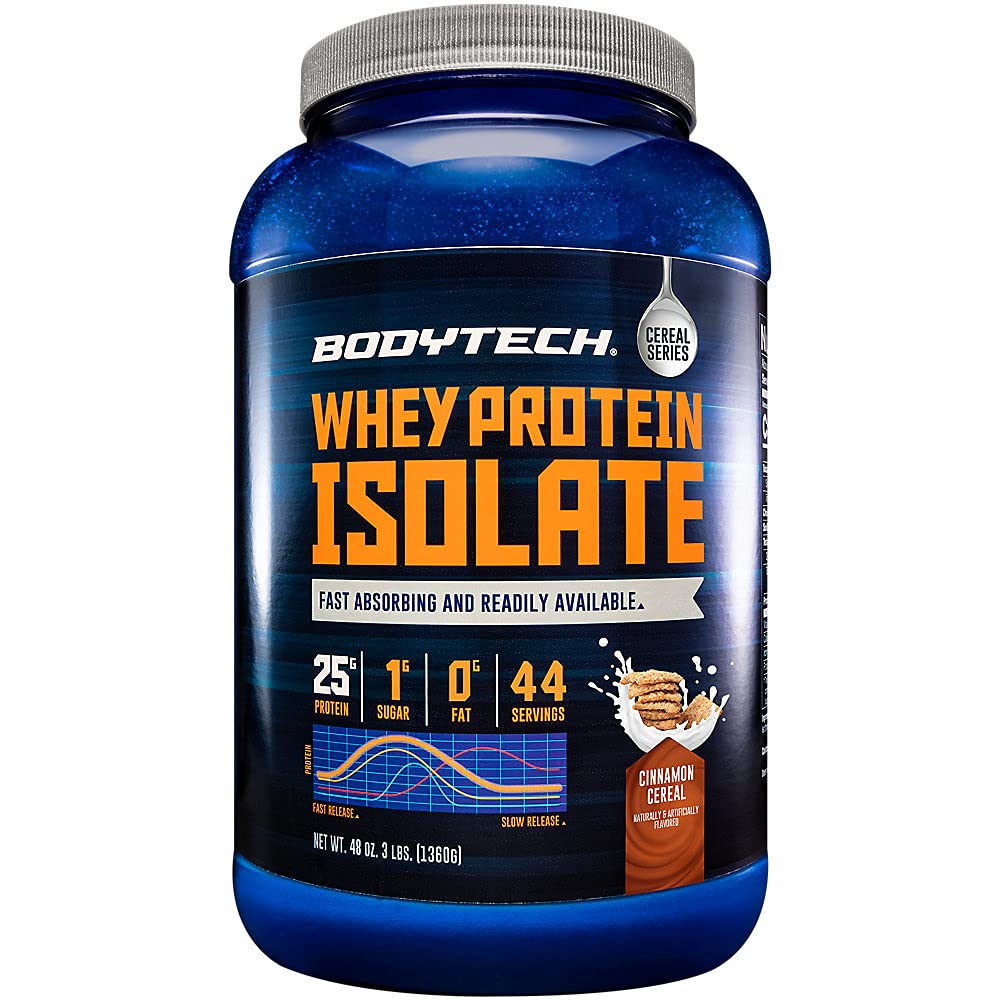
BodyTech
Whey Protein Isolate (Cinnamon Cereal)
💪 for Muscle
31
Sources & Scoring
Nutrient data (RDA, UL, and safety thresholds) sourced from the NIH Office of Dietary Supplements and the National Academies Dietary Reference Intakes (DRI).
This is not medical advice. Consult a healthcare provider before making changes to your supplement routine.
The score analyzes what's on the label: ingredient doses vs. studied ranges, chemical forms, evidence levels, and known interactions. It does not verify label accuracy or test for contaminants — for that, look for third-party certifications like USP or NSF.