If you're after relaxation, sleep quality, and muscle function support, the full 2-teaspoon serving delivers 350mg of **Magnesium** as ionic magnesium citrate — near the top of the clinical supplemental range (100–400mg). The brand recommends starting low at half a teaspoon and building up, which is wise since citrate forms can affect digestion at higher amounts.
The unflavored version keeps your ingredient list minimal — just citric acid and magnesium carbonate alongside the magnesium citrate. No sweeteners, no added flavors. That makes it easy to mix into any beverage without changing the taste significantly.
The directions suggest splitting your daily amount into 2–3 portions throughout the day, which improves absorption since your body can only take in so much magnesium at once. If you're taking the full 350mg in a single serving, you may absorb less and experience more digestive effects than if you divide it up.
BioStacksAsk AI about this product
Natural Vitality
CALM Relaxing Drink Mix, Original Unflavored
Powder · Approx. 2 teaspoons (4 g) · 57 servings
What it does
magnesium
Mixed formsGrade —
Supports normal muscle and nerve function and helps the body produce energy.
Ingredients (1)
Other ingredients
Magnesium Carbonate (excipient)Anticaking Agent
Magnesium carbonate used as an anti-caking, flow, and drying agent.
Citric AcidAcidulant
Natural acid derived from citrus fruits
Lab testing
How to take it
With or without food
Space it a couple of hours from Iron and Calcium
On the label
For Adults: Individual needs may vary. Start with approximately a half-teaspoon (1 g) daily and gradually increase to 2 teaspoons (4 g). For best results, divide the daily amount into 2 or 3 portions per day, taken with or without food.
Price check
$20.24
$0.36 / serving
Near the median of 579 magnesium supplements
Similar products
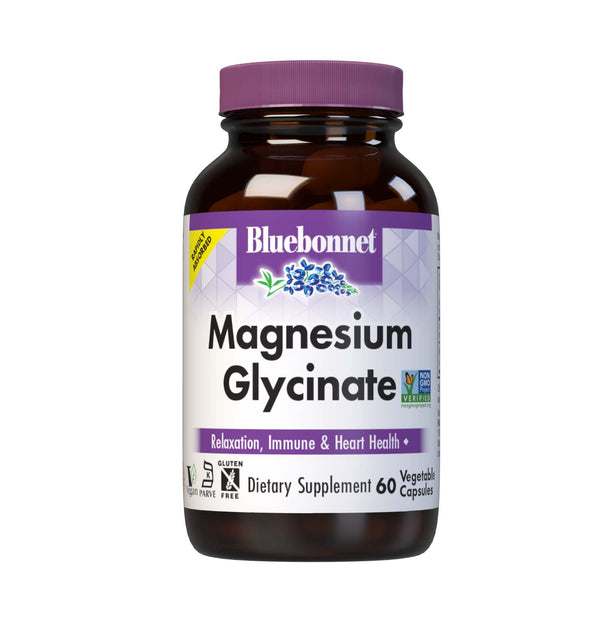
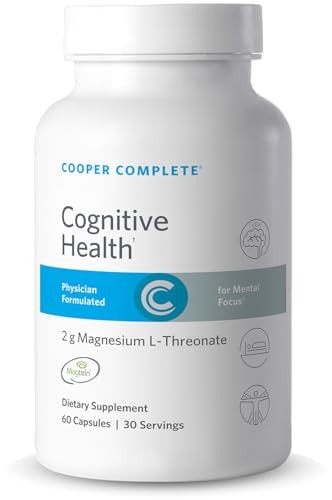
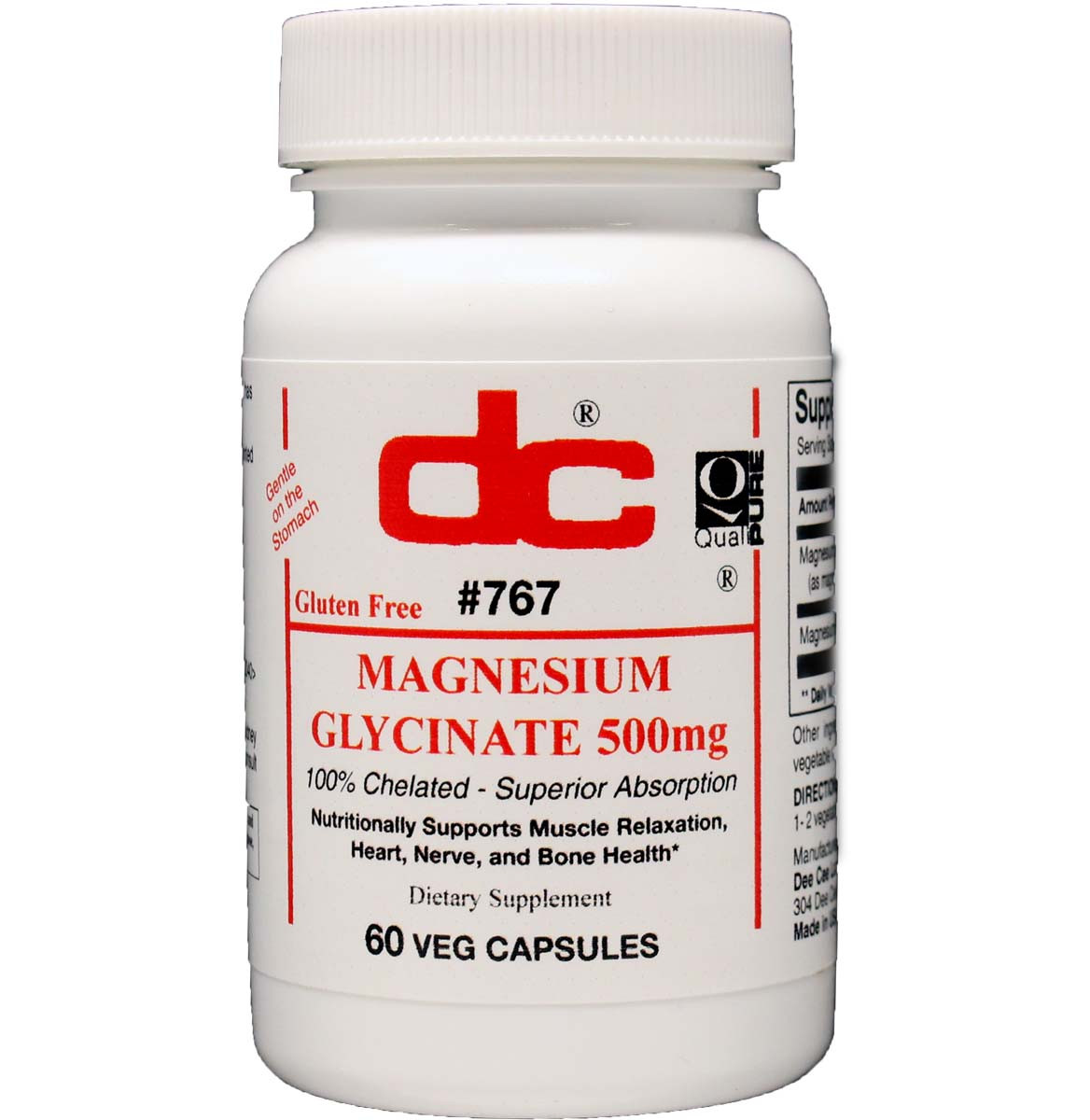
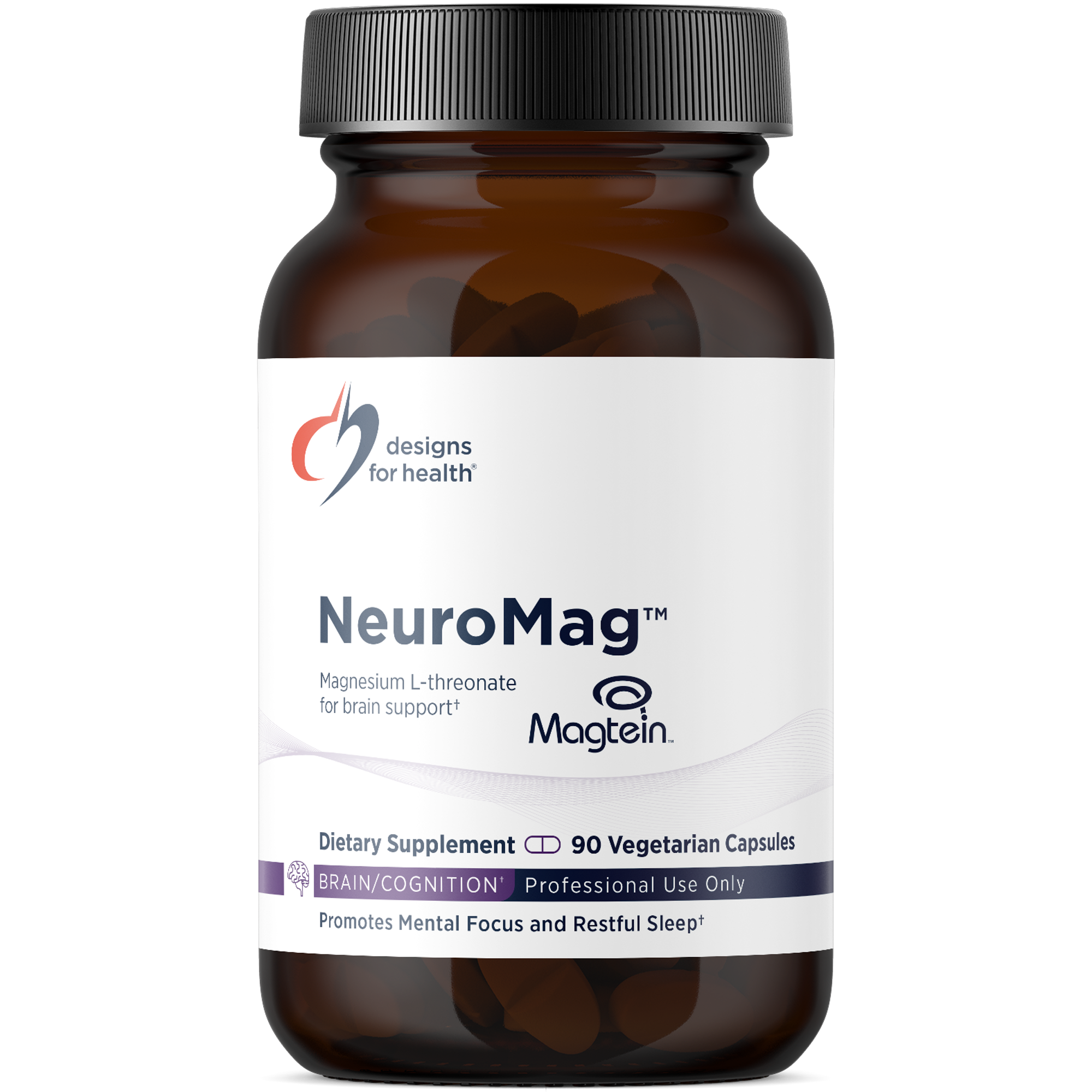
Sources & Scoring
Nutrient data (RDA, UL, and safety thresholds) sourced from the NIH Office of Dietary Supplements and the National Academies Dietary Reference Intakes (DRI).
This is not medical advice. Consult a healthcare provider before making changes to your supplement routine.
The score analyzes what's on the label: ingredient doses vs. studied ranges, chemical forms, evidence levels, and known interactions. It does not verify label accuracy or test for contaminants — for that, look for third-party certifications like USP or NSF.
Not medical advice. Consult your healthcare professional.