BioStacks
Best for
Ingredients (1)
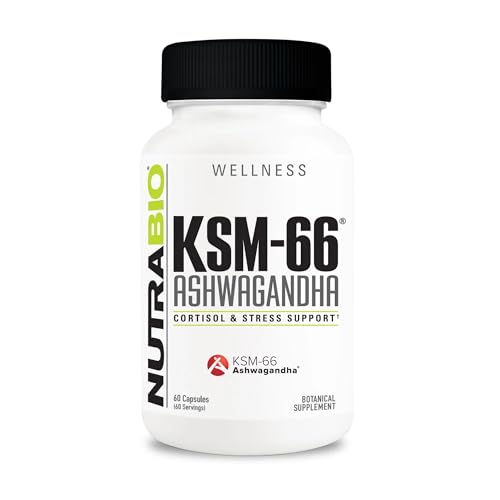
KSM-66 Ashwagandha root extract
100%Dose
300 mg
Target
300–600 mg
Form
Premium
Other Ingredients (8)
SucroseSweetener
Added sugars and high glycemic load; dental caries risk
Tapioca SyrupSweetener
High glycemic index similar to glucose syrup. Adds significant sugars and calories — often the primary ingredient by weight in gummy supplements. 'Organic' labeling does not change the glycemic impact.
Medium Chain Triglyceride OilCarrier
Fractionated oils rich in C8/C10 triglycerides used as neutral carrier or anti-sticking agent
Natural FlavorsFlavor
Broad regulatory category of flavor constituents derived from natural sources. Composition is proprietary and not disclosed — 'Natural Flavors' can include several hundred different compounds depending on the target flavor profile, including hexane-extracted constituents and proprietary carrier solvents. 'Natural' is a regulatory definition (21 CFR §101.22), not a safety guarantee.
Citric AcidAcidulant
Natural acid derived from citrus fruits
PectinGelling Agent
Plant polysaccharide from citrus peels or apple pomace used to gel pectin-based gummies
StarchBinder
Carbohydrate polymer used as a binder, filler, and disintegrant in tablets and capsules
Purified WaterSolvent
Water meeting USP specifications used as solvent/vehicle in gummies and liquids
How to Take It
Best taken in the evening
KSM-66 is root-only and less sedating than Sensoril. Trials have dosed it both morning and evening, so either works — take it with food.
With food
On the label
Adults, chew one of these Ashwagandha KSM 66 gummies twice daily
General guidance based on the ingredients, not a substitute for the label or your doctor.
Price Check
$17.99
Near the median of 146 ashwagandha supplements
Track this supplement in your stack
Get personalized insights, interactions, and coverage recommendations.
Get Started FreeSimilar Supplements
Sources & Scoring
Nutrient data (RDA, UL, and safety thresholds) sourced from the NIH Office of Dietary Supplements and the National Academies Dietary Reference Intakes (DRI).
This is not medical advice. Consult a healthcare provider before making changes to your supplement routine.
The score analyzes what's on the label: ingredient doses vs. studied ranges, chemical forms, evidence levels, and known interactions. It does not verify label accuracy or test for contaminants — for that, look for third-party certifications like USP or NSF.