BioStacksAsk AI about this product
What it does
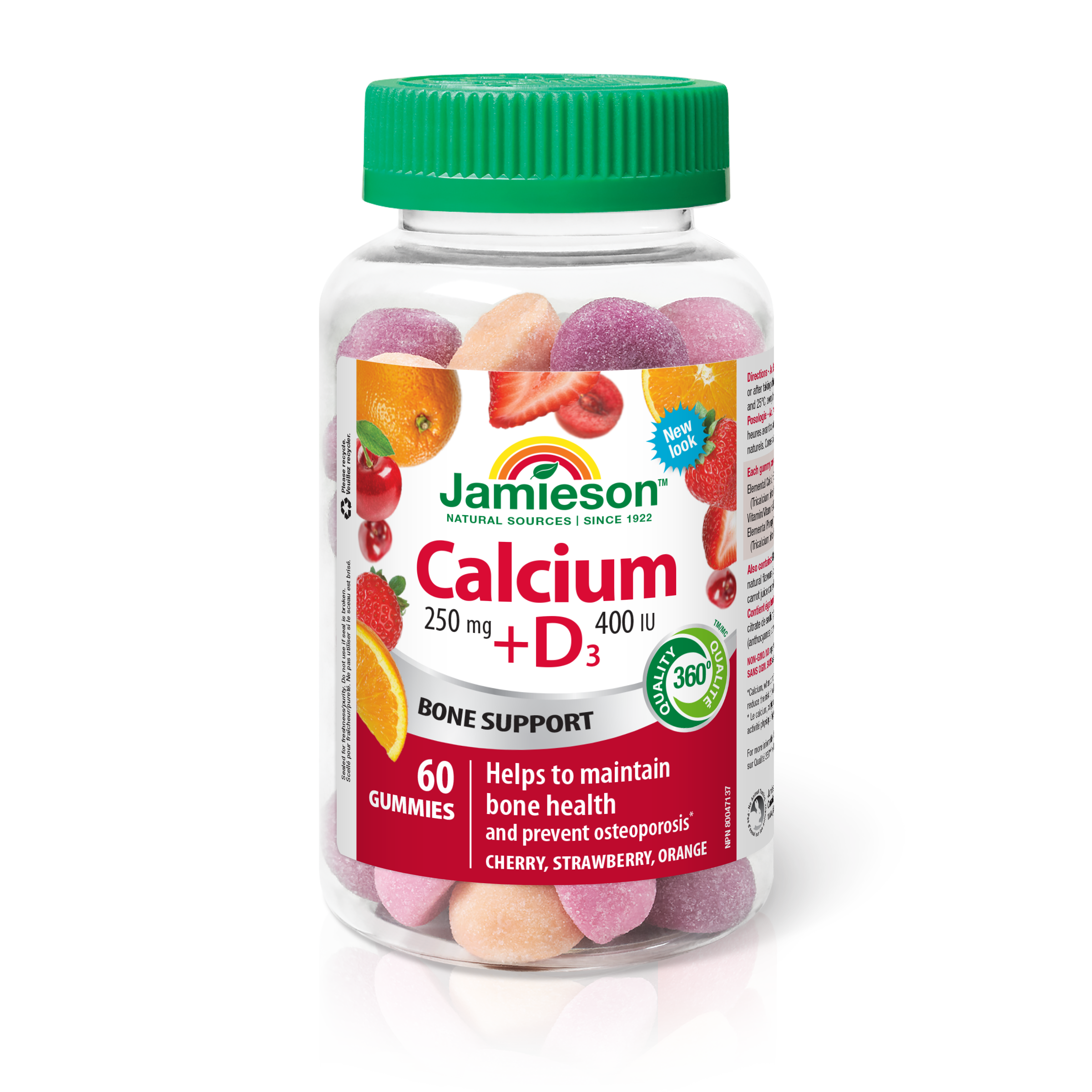
A combination of 4 label ingredients.
Calcium
tricalcium phosphateBudget
Supports the maintenance of normal bones and teeth, muscle function and nerve signaling.
Sodium
Form not confirmedGrade —
Supports normal fluid balance and muscle and nerve function; extra sodium is not universally beneficial.
Ingredients (3)
Nutrition
Calories, macros & sodium.
- Sodium20 mg
Other ingredients
CarmineColorant
Insect-derived (not vegan/vegetarian) and a recognized cause of IgE-mediated allergic reactions, including documented anaphylaxis. The FDA mandated explicit 'carmine'/'cochineal extract' labeling in 2011 specifically because of these reactions. Not toxic to the general population, but a genuine allergen with no health benefit; plant pigments achieve the same color.
Glucose SyrupSweetener
High glycemic load; source typically corn (generally gluten-free)
SucroseSweetener
Added sugars and high glycemic load; dental caries risk
Natural FlavorsFlavor
Broad regulatory category of flavor constituents derived from natural sources. Composition is proprietary and not disclosed — 'Natural Flavors' can include several hundred different compounds depending on the target flavor profile, including hexane-extracted constituents and proprietary carrier solvents. 'Natural' is a regulatory definition (21 CFR §101.22), not a safety guarantee.
Calcium CarbonateBuffer
Common calcium salt used as a buffering agent, filler, or mineral fortification in supplements
Citric AcidAcidulant
Natural acid derived from citrus fruits
Lactic AcidAcidulant
Naturally occurring organic acid used as a pH adjuster and preservative in supplements
PectinGelling Agent
Plant polysaccharide from citrus peels or apple pomace used to gel pectin-based gummies
Lab testing
How to take it
With a meal containing fat
Keep it away from high-oxalate foods like spinach
Space it a couple of hours from Iron, Magnesium and Zinc
On the label
Chew two gummies daily.
Price check
$17.39
$0.43 / serving
Near the median of 294 calcium supplements
Similar products
Sources & Scoring
Nutrient data (RDA, UL, and safety thresholds) sourced from the NIH Office of Dietary Supplements and the National Academies Dietary Reference Intakes (DRI).
This is not medical advice. Consult a healthcare provider before making changes to your supplement routine.
The score analyzes what's on the label: ingredient doses vs. studied ranges, chemical forms, evidence levels, and known interactions. It does not verify label accuracy or test for contaminants — for that, look for third-party certifications like USP or NSF.
Not medical advice. Consult your healthcare professional.