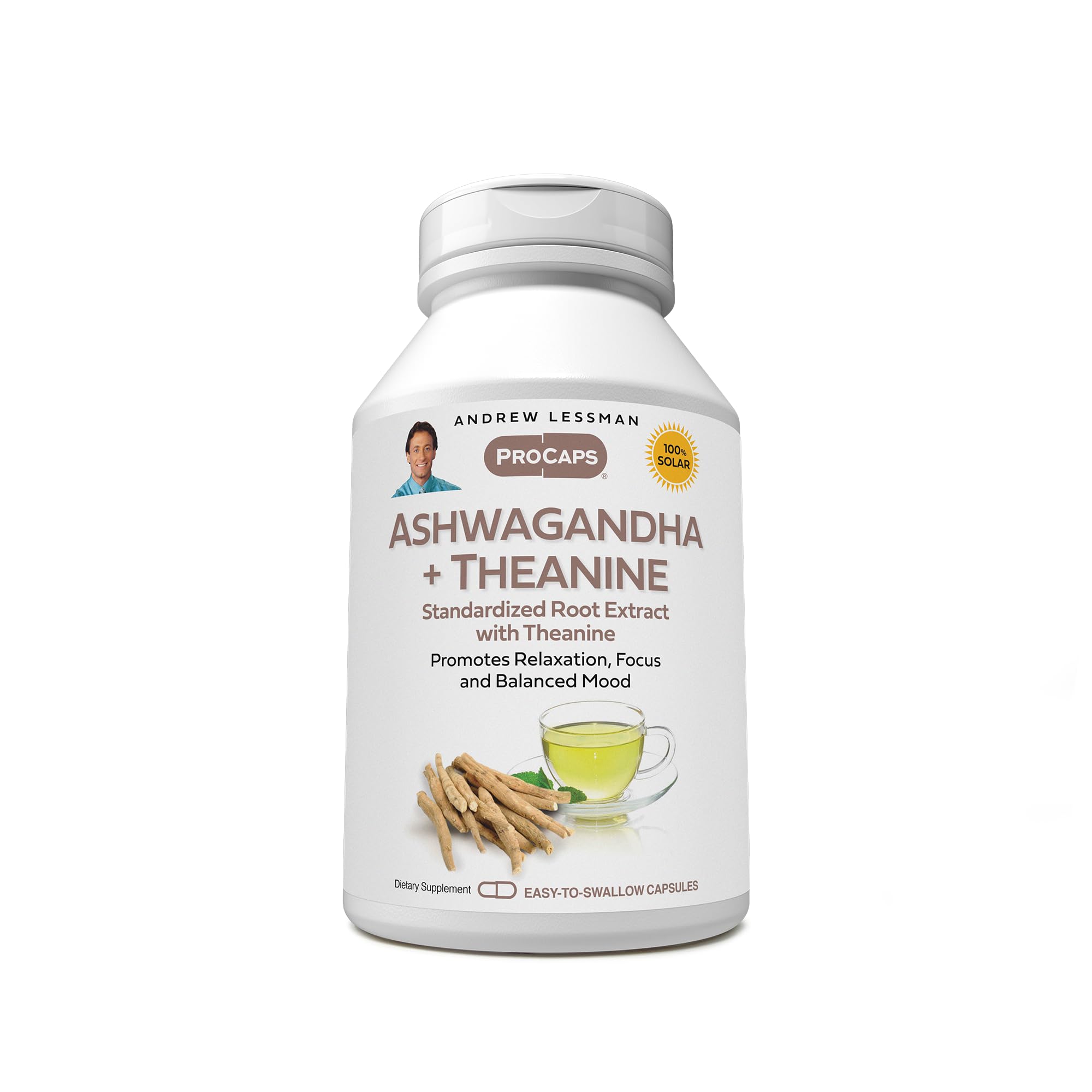
You're getting two well-researched calming ingredients at full clinical doses. **Ashwagandha** (KSM-66 extract) delivers 600mg per serving — the top of the range used in RCTs showing reduced cortisol and perceived stress. **L-Theanine** adds 200mg, the exact single dose most studied for promoting relaxation without drowsiness.
The KSM-66 extract is a root-only standardized form with strong clinical backing for stress reduction and may also support sleep quality. L-Theanine complements it well — where ashwagandha works over weeks as an adaptogen, theanine can take effect within an hour, giving you both fast-acting and sustained support.
The two-tablet serving size is worth noting — if you take only one tablet, you're halving both doses. Ashwagandha at 300mg would still be within the clinical range, but you'd lose the full benefit of the combination at its studied doses.
BioStacks
Best for
Ingredients (2)
Ashwagandha Extract KSM-66
100%Dose
600 mg
Target
300–600 mg
Form
Premium
L-Theanine
100%Dose
200 mg
Target
100–250 mg
Form
—
Other Ingredients (6)
Silicon DioxideAnti-caking
Fine silica powder used to prevent clumping
Magnesium StearateLubricant
A salt of stearic acid used as a lubricant in tablet and capsule production
CrospovidoneDisintegrant
Cross-linked synthetic polymer used as a tablet disintegrant to help tablets break apart quickly in the stomach
Microcrystalline CelluloseBinder
Plant-derived cellulose used as a binder and filler in supplements
GlycerinHumectant
Sweet-tasting liquid used in soft capsules and liquids
Stearic AcidLubricant
Saturated fatty acid used as tablet lubricant
How to Take It
Best taken in the evening
KSM-66 is root-only and less sedating than Sensoril. Trials have dosed it both morning and evening, so either works — take it with food.
With food
On the label
For adults, take two (2) tablets daily, preferably with meals.
General guidance based on the ingredients, not a substitute for the label or your doctor.
Price Check
$29.40
Pricier than 87% of 146 ashwagandha supplements
Track this supplement in your stack
Get personalized insights, interactions, and coverage recommendations.
Get Started FreeSimilar Supplements
Sources & Scoring
Nutrient data (RDA, UL, and safety thresholds) sourced from the NIH Office of Dietary Supplements and the National Academies Dietary Reference Intakes (DRI).
This is not medical advice. Consult a healthcare provider before making changes to your supplement routine.
The score analyzes what's on the label: ingredient doses vs. studied ranges, chemical forms, evidence levels, and known interactions. It does not verify label accuracy or test for contaminants — for that, look for third-party certifications like USP or NSF.