BioStacksAsk AI about this product
What it does
A combination of 2 label ingredients.
Calcium
calcium carbonateBudget
Supports the maintenance of normal bones and teeth, muscle function and nerve signaling.
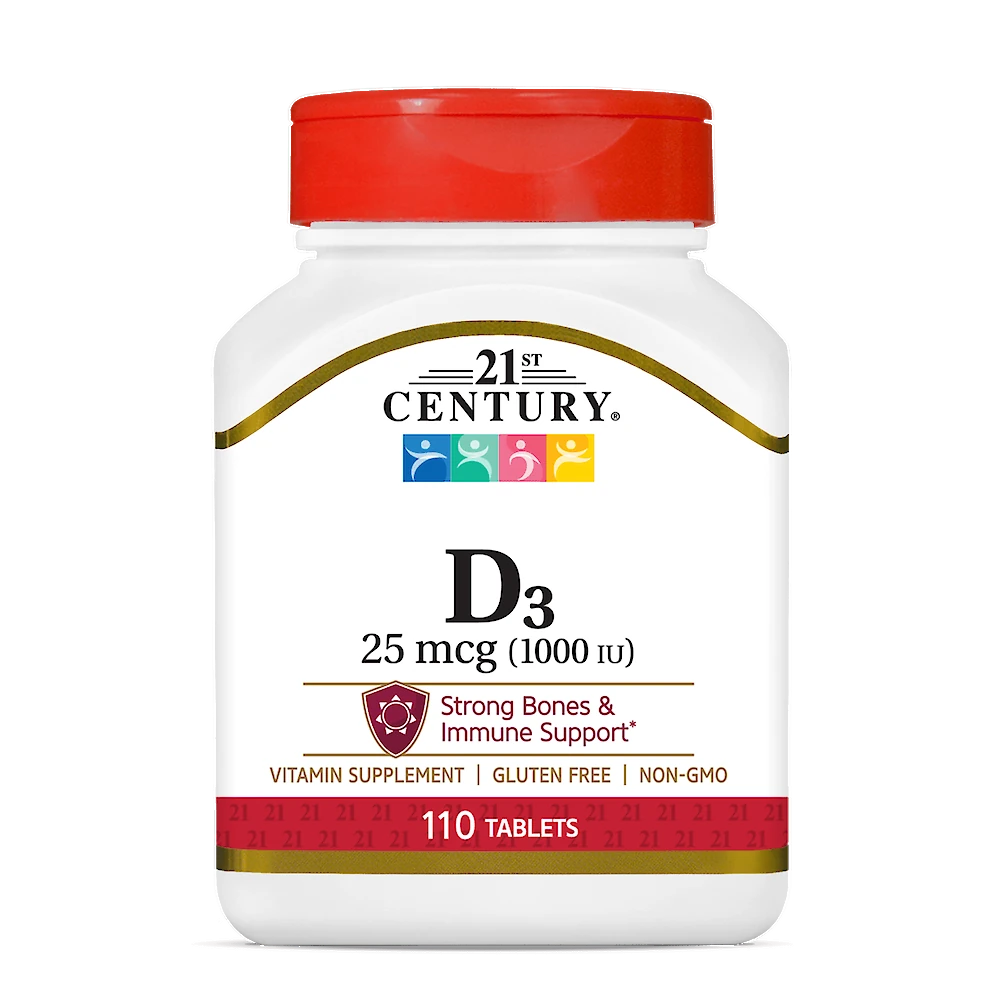
Vitamin D
vitamin d3Premium
Cholecalciferol (vitamin d3): Supports normal bones; D3 generally raises vitamin D blood levels more than comparable D2 doses.
Ingredients (2)
Nutrition
Calories, macros & sodium.
- Calories15 Calorie(s)
- Total Fat1 Gram(s)
Other ingredients
Titanium DioxideColorant
Banned in the EU (2022) over concerns that its ultra-fine particles may damage DNA in gut cells. Still allowed in the US. Used only for white coloring — provides no health benefit.
SorbitolSweetener
A FODMAP sugar alcohol that may trigger GI discomfort (bloating, gas) in individuals with IBS or sorbitol malabsorption, even at small amounts found in supplements. Avoided in low-FODMAP diets.
Corn OilEmollient
A refined vegetable oil from corn used as a carrier in softgels
Soy LecithinEmulsifier
Widely used emulsifier derived from soybeans
GelatinCapsule
Protein derived from collagen, used in traditional capsule shells
GlycerinHumectant
Sweet-tasting liquid used in soft capsules and liquids
Vegetable OilCarrier
Edible oils used as carriers in softgels and as processing aids
BeeswaxCoating
Natural wax produced by honeybees, used as a coating and binding agent in softgels and tablets
Lab testing
How to take it
With a meal containing fat
Keep it away from high-oxalate foods like spinach
Space it a couple of hours from Iron, Magnesium and Zinc
On the label
Directions: For adults, take two (2) softgels daily, preferably with a meal.
Price check
No price yet
What 552 vitamin D supplements cost
Similar products
Sources & Scoring
Nutrient data (RDA, UL, and safety thresholds) sourced from the NIH Office of Dietary Supplements and the National Academies Dietary Reference Intakes (DRI).
This is not medical advice. Consult a healthcare provider before making changes to your supplement routine.
The score analyzes what's on the label: ingredient doses vs. studied ranges, chemical forms, evidence levels, and known interactions. It does not verify label accuracy or test for contaminants — for that, look for third-party certifications like USP or NSF.
Not medical advice. Consult your healthcare professional.