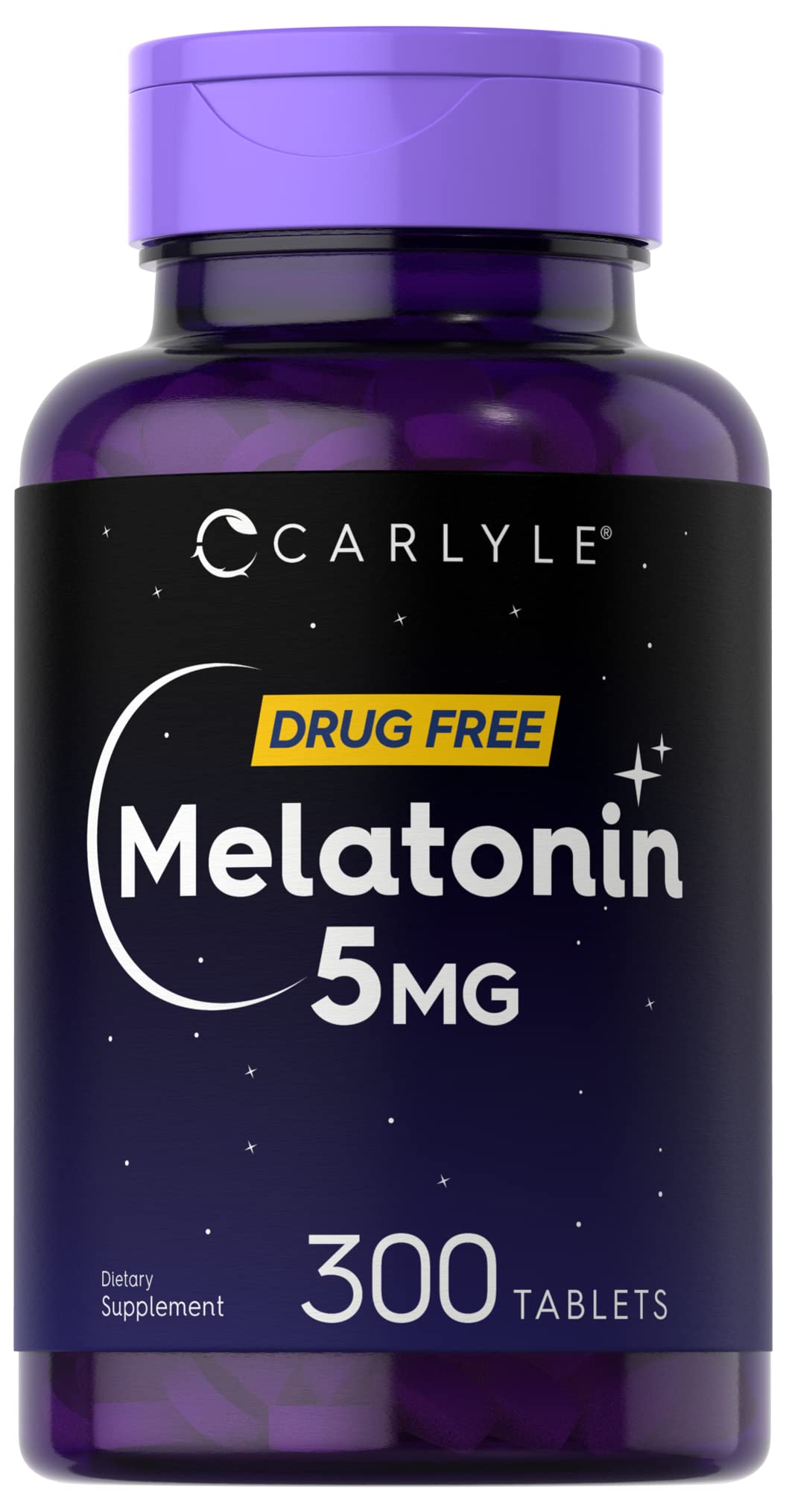
This bi-layer **Melatonin** tablet targets sleep by splitting its 5mg dose across two layers — an immediate-release layer to help you fall asleep and an extended-release layer to help you stay asleep. That 5mg sits at the top of the well-studied 0.5–5mg range, so you're getting a full effective dose for sleep onset.
The dual-release mechanism is what sets this apart. Melatonin normally clears your system within a few hours, which can leave you waking in the early hours; the extended layer here releases slowly to support sleep maintenance, not just getting you under.
One honest note on dose: for sleep onset alone, lower doses of 0.5–3mg tend to work just as well as 5mg for most people, with less morning grogginess. The real reason to choose this version is the extended layer — if you fall asleep fine but wake during the night, that's the problem this format is built for.
BioStacks
Best for
Ingredients (1)
Melatonin
100%Dose
5 mg
Target
0.5–5 mg
Form
—
Other Ingredients (6)
Fruit Juice (unspecified)Colorant
Juice or juice concentrate used primarily for natural color and flavor in gummies
Magnesium StearateLubricant
A salt of stearic acid used as a lubricant in tablet and capsule production
Dicalcium PhosphateBinder
Calcium and phosphorus compound used as binder
TriacetinPlasticizer
Glycerol triacetate used as a plasticizer in film coats and a flavor carrier
Microcrystalline CelluloseBinder
Plant-derived cellulose used as a binder and filler in supplements
Stearic AcidLubricant
Saturated fatty acid used as tablet lubricant
How to Take It
Best taken in the evening
Take 30–60 minutes before bed. It's a circadian signal, not a daytime supplement.
With or without food
On the label
For adults, take one (1) tablet only at bedtime as Melatonin may produce drowsiness.
General guidance based on the ingredients, not a substitute for the label or your doctor.
Price Check
$8.30
Cheaper than 82% of 203 melatonin supplements
Track this supplement in your stack
Get personalized insights, interactions, and coverage recommendations.
Get Started FreeSimilar Supplements
Sources & Scoring
Nutrient data (RDA, UL, and safety thresholds) sourced from the NIH Office of Dietary Supplements and the National Academies Dietary Reference Intakes (DRI).
This is not medical advice. Consult a healthcare provider before making changes to your supplement routine.
The score analyzes what's on the label: ingredient doses vs. studied ranges, chemical forms, evidence levels, and known interactions. It does not verify label accuracy or test for contaminants — for that, look for third-party certifications like USP or NSF.