BioStacks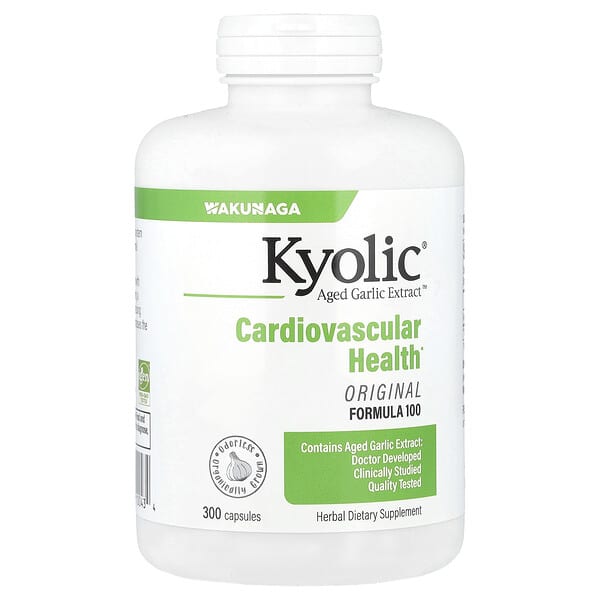
Ingredients (1)
Garlic
100%Dose/day
800 mg
Target
600–1200 mg
Form
Budget
Other Ingredients (9)
Titanium DioxideColorant
Banned in the EU (2022) over concerns that its ultra-fine particles may damage DNA in gut cells. Still allowed in the US. Used only for white coloring — provides no health benefit.
Coating (unspecified)Coating
Generic tablet coating declaration where the label does not itemize the coating's components; modern aqueous film coatings are typically cellulose-based (HPMC) with a plasticizer
Magnesium StearateLubricant
A salt of stearic acid used as a lubricant in tablet and capsule production
Calcium CarbonateBuffer
Common calcium salt used as a buffering agent, filler, or mineral fortification in supplements
Calcium SilicateAnti-caking
Inorganic compound used as an anti-caking and flow agent in powdered supplements
Dicalcium PhosphateBinder
Calcium and phosphorus compound used as binder
EthylcelluloseCoating
A cellulose-derived polymer used for film coating and binding.
Natural Palm Leaf GlazeCoating
A plant wax from the carnauba palm leaf used as a tablet glaze and polish
How to Take It
Take it anytime
Timing doesn't matter for this one — taking it consistently does.
With or without food
Split into 2 doses across the day
On the label
For adults, take one (1) tablet two to three times daily, preferably with meals.
General guidance based on the ingredients, not a substitute for the label or your doctor.
Price Check
$8.75
Cheaper than 90% of 74 garlic extract supplements
Track this supplement in your stack
Get personalized insights, interactions, and coverage recommendations.
Get Started FreeSimilar Supplements
Kyolic
Aged Garlic Extract™, Cardiovascular Health, Original Formula 100
❤️ for Heart
85
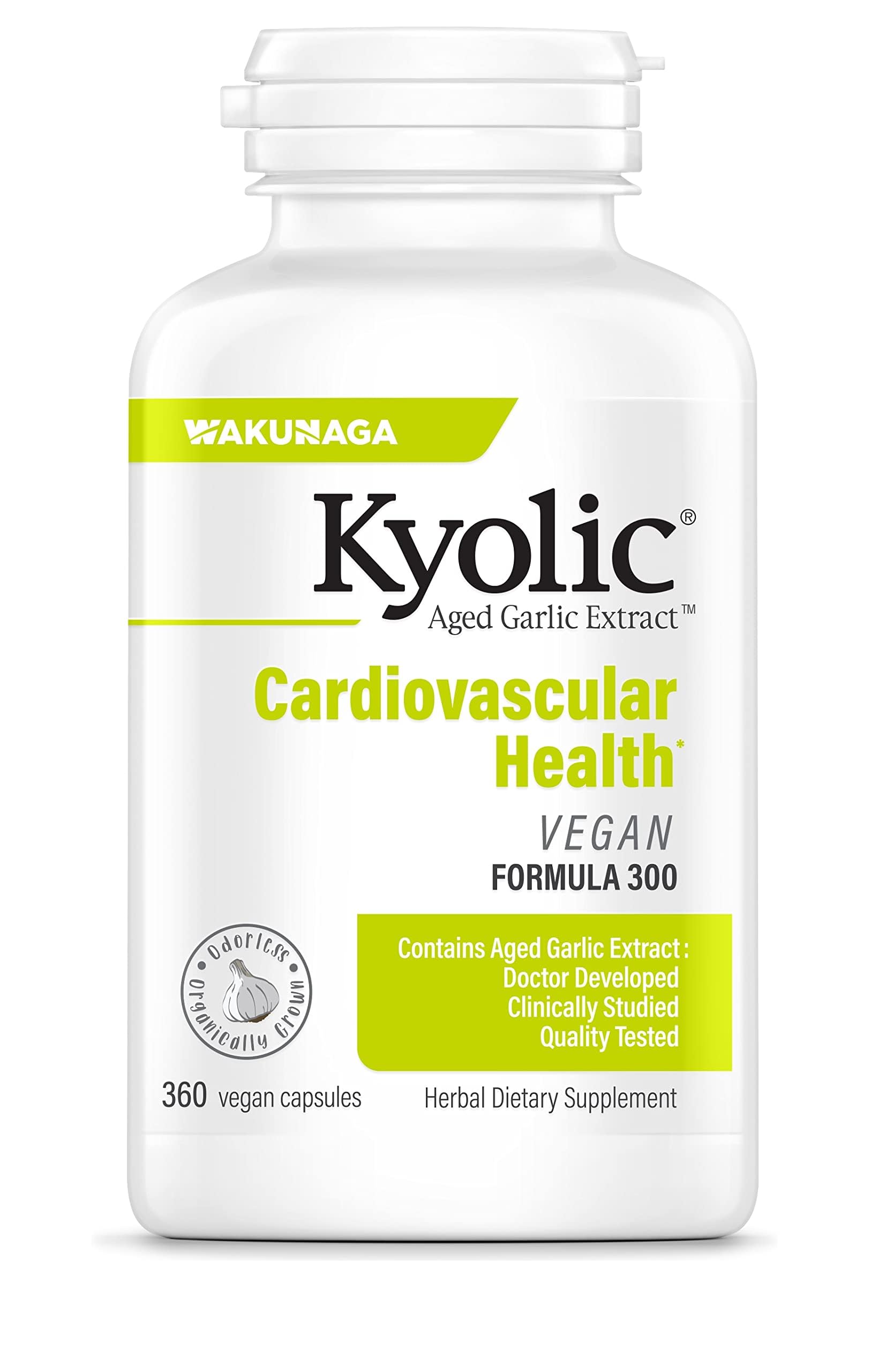
Kyolic
Cardiovascular Health Vegan Formula 300
❤️ for Heart
85
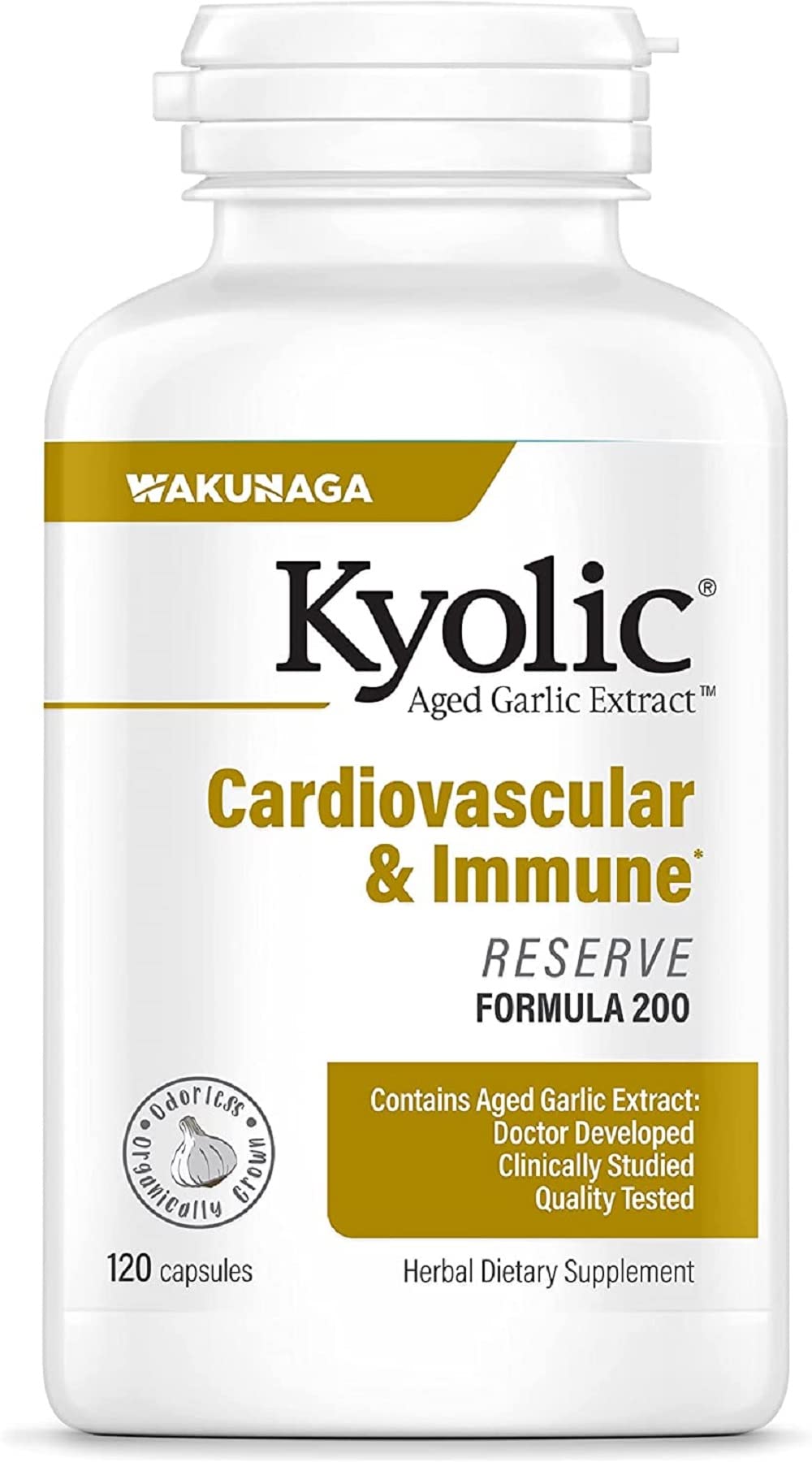
Kyolic
Cardiovascular & Immune Reserve Formula 200
❤️ for Heart
85
Kyolic
Kyolic Extra Strength Reserve
❤️ for Heart
85
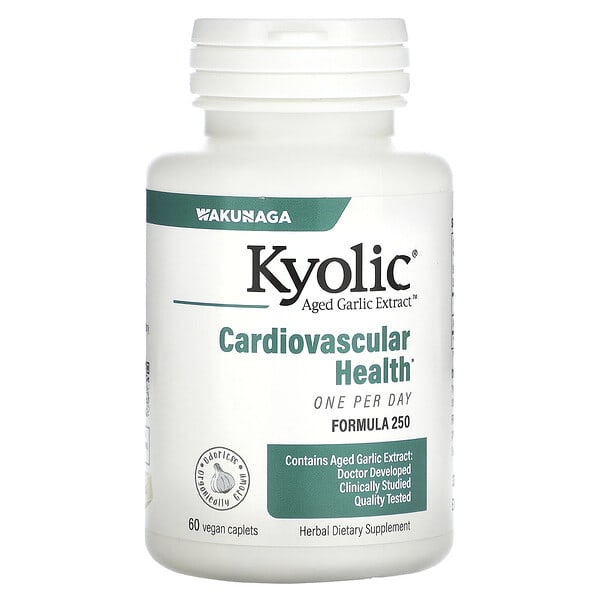
Kyolic
Aged Garlic Extract, Cardiovascular Health, One Per Day, Formula 250, 60 Vegan Caplets (1,000 mg per Capsule)
❤️ for Heart
82
Sources & Scoring
Nutrient data (RDA, UL, and safety thresholds) sourced from the NIH Office of Dietary Supplements and the National Academies Dietary Reference Intakes (DRI).
This is not medical advice. Consult a healthcare provider before making changes to your supplement routine.
The score analyzes what's on the label: ingredient doses vs. studied ranges, chemical forms, evidence levels, and known interactions. It does not verify label accuracy or test for contaminants — for that, look for third-party certifications like USP or NSF.