BioStacks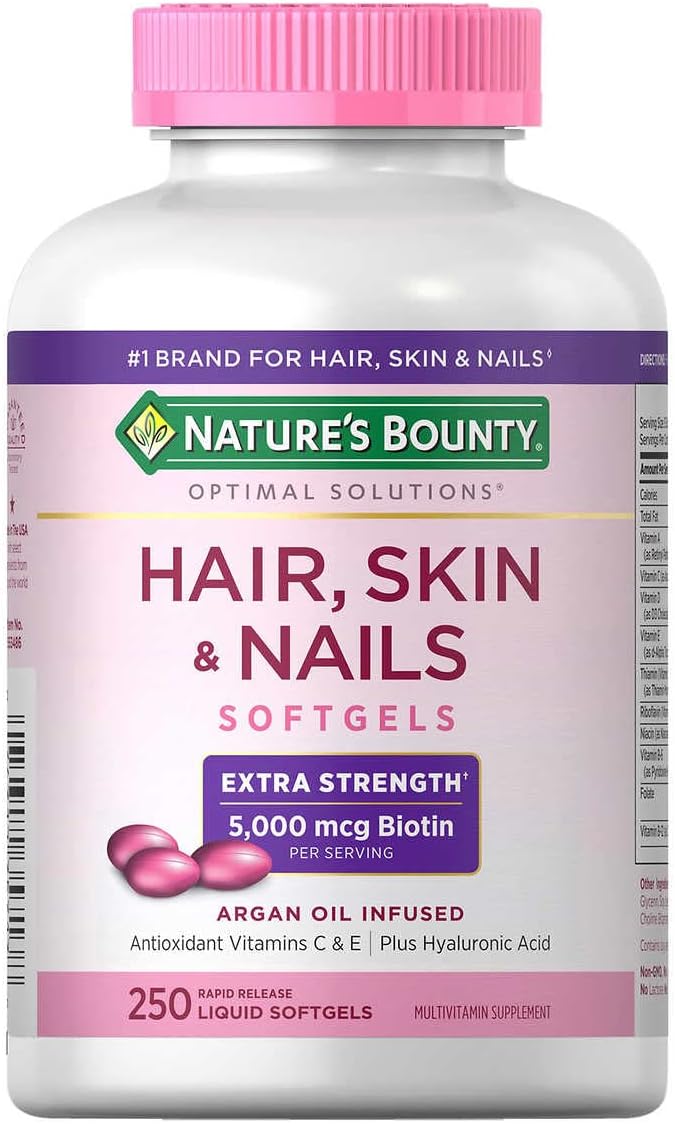
Best for
Ingredients (22)
Biotin
100%Dose
5000 mcg
Target
1000–5000 mcg
Form
—
Niacin
100%Dose
25 mg
Target
25–500 mg
Form
Standard
Vitamin A
100%Dose
1500 mcg
Target
700–1500 mcg
Form
Standard
Manganese
100%Dose
5 mg
Target
1.8–5 mg
Form
Standard
Vitamin D
80%Dose
800 IU
Target
1000–5000 IU
Form
Premium
Other Ingredients (8)
Titanium DioxideColorant
Banned in the EU (2022) over concerns that its ultra-fine particles may damage DNA in gut cells. Still allowed in the US. Used only for white coloring — provides no health benefit.
CarmineColorant
Insect-derived (not vegan/vegetarian) and a recognized cause of IgE-mediated allergic reactions, including documented anaphylaxis. The FDA mandated explicit 'carmine'/'cochineal extract' labeling in 2011 specifically because of these reactions. Not toxic to the general population, but a genuine allergen with no health benefit; plant pigments achieve the same color.
Choline BitartrateNutrient Source
The bitartrate salt of choline, an essential nutrient.
MicaColorant
A naturally occurring silicate mineral used as a pearlescent colorant
Silicon DioxideAnti-caking
Fine silica powder used to prevent clumping
GelatinCapsule
Protein derived from collagen, used in traditional capsule shells
Vegetable OilCarrier
Edible oils used as carriers in softgels and as processing aids
GlycerinHumectant
Sweet-tasting liquid used in soft capsules and liquids
How to Take It
Take it anytime
No evidence a formula this broad works better at any particular hour. Take it with a meal containing fat — the vitamins A, D and E in it absorb poorly without one.
With a meal containing fat
Space it a couple of hours from Iron and Calcium
On the label
For adults, take three (3) softgels daily, preferably with a meal.
General guidance based on the ingredients, not a substitute for the label or your doctor.
Price Check
$18.03
Cheaper than 72% of 798 multivitamins
Track this supplement in your stack
Get personalized insights, interactions, and coverage recommendations.
Get Started FreeSimilar Supplements
Nature's Bounty
Extra Strength Hair, Skin & Nails
🛡️ for Immune
33
Nature's Bounty Optimal Solutions
Extra Strength Hair, Skin & Nails
🛡️ for Immune
55
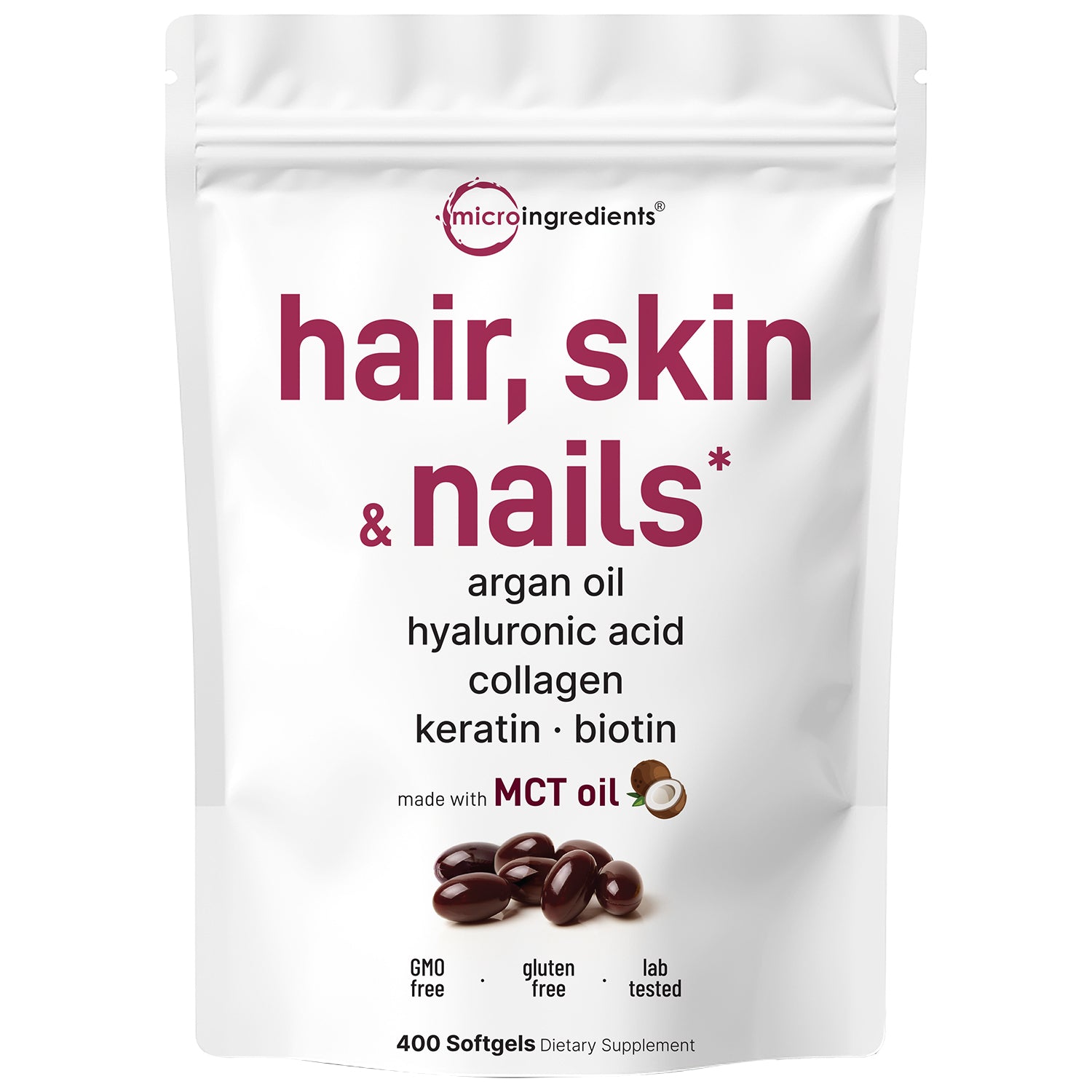
Micro Ingredients
Hair, Skin & Nails
🛡️ for Immune
68
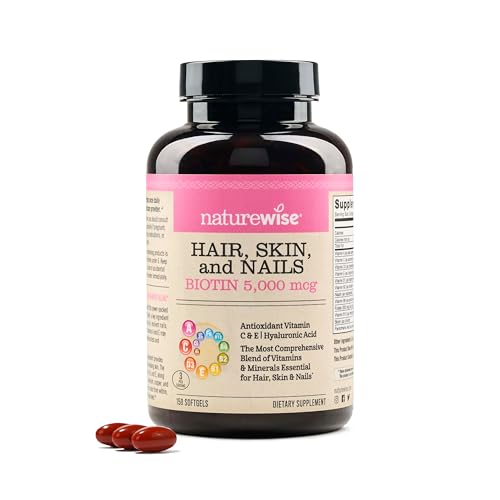
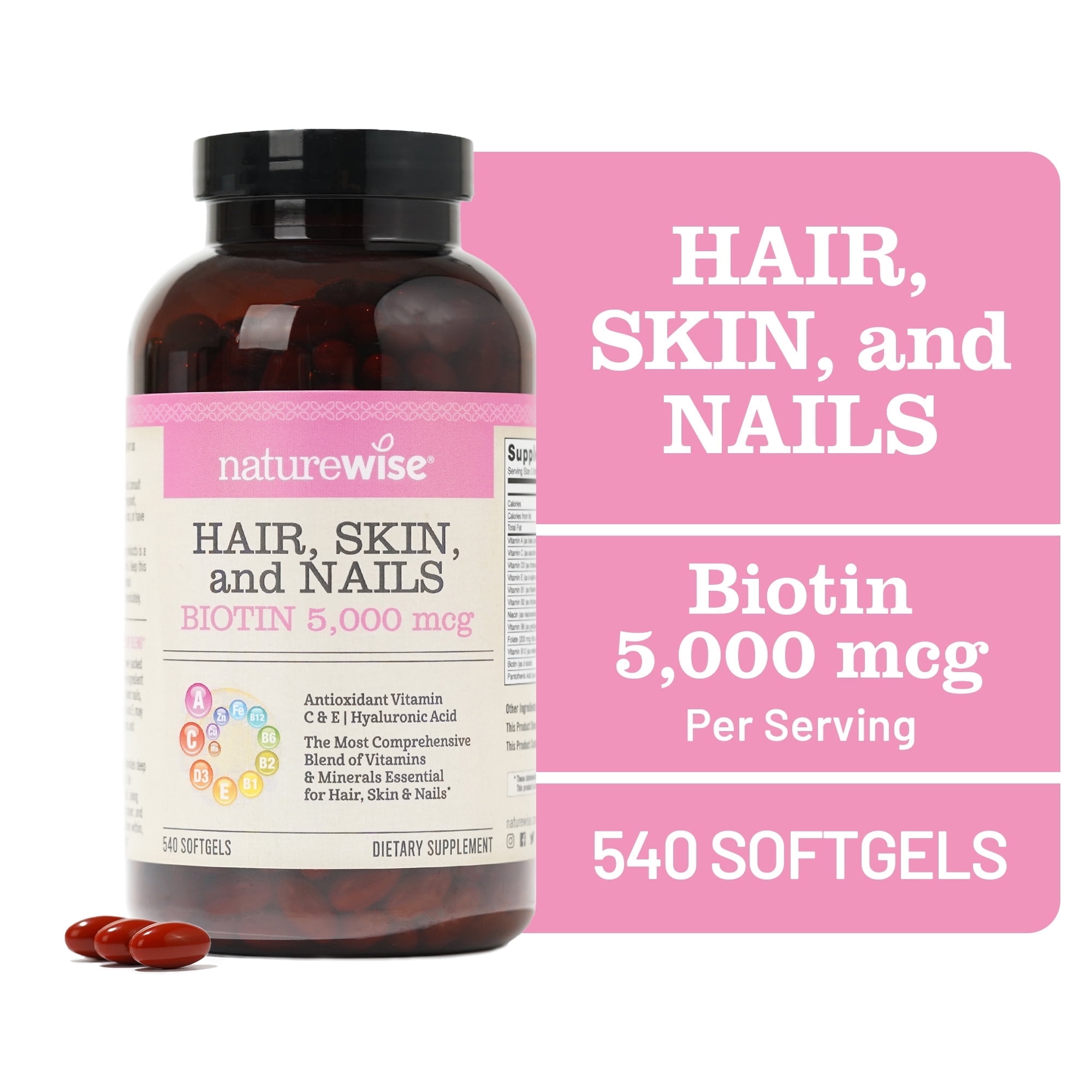
NatureWise
Hair, Skin, and Nails
🛡️ for Immune
55
NatureWise
Hair, Skin, and Nails Biotin 5,000 mcg
🛡️ for Immune
55
Sources & Scoring
Nutrient data (RDA, UL, and safety thresholds) sourced from the NIH Office of Dietary Supplements and the National Academies Dietary Reference Intakes (DRI).
This is not medical advice. Consult a healthcare provider before making changes to your supplement routine.
The score analyzes what's on the label: ingredient doses vs. studied ranges, chemical forms, evidence levels, and known interactions. It does not verify label accuracy or test for contaminants — for that, look for third-party certifications like USP or NSF.