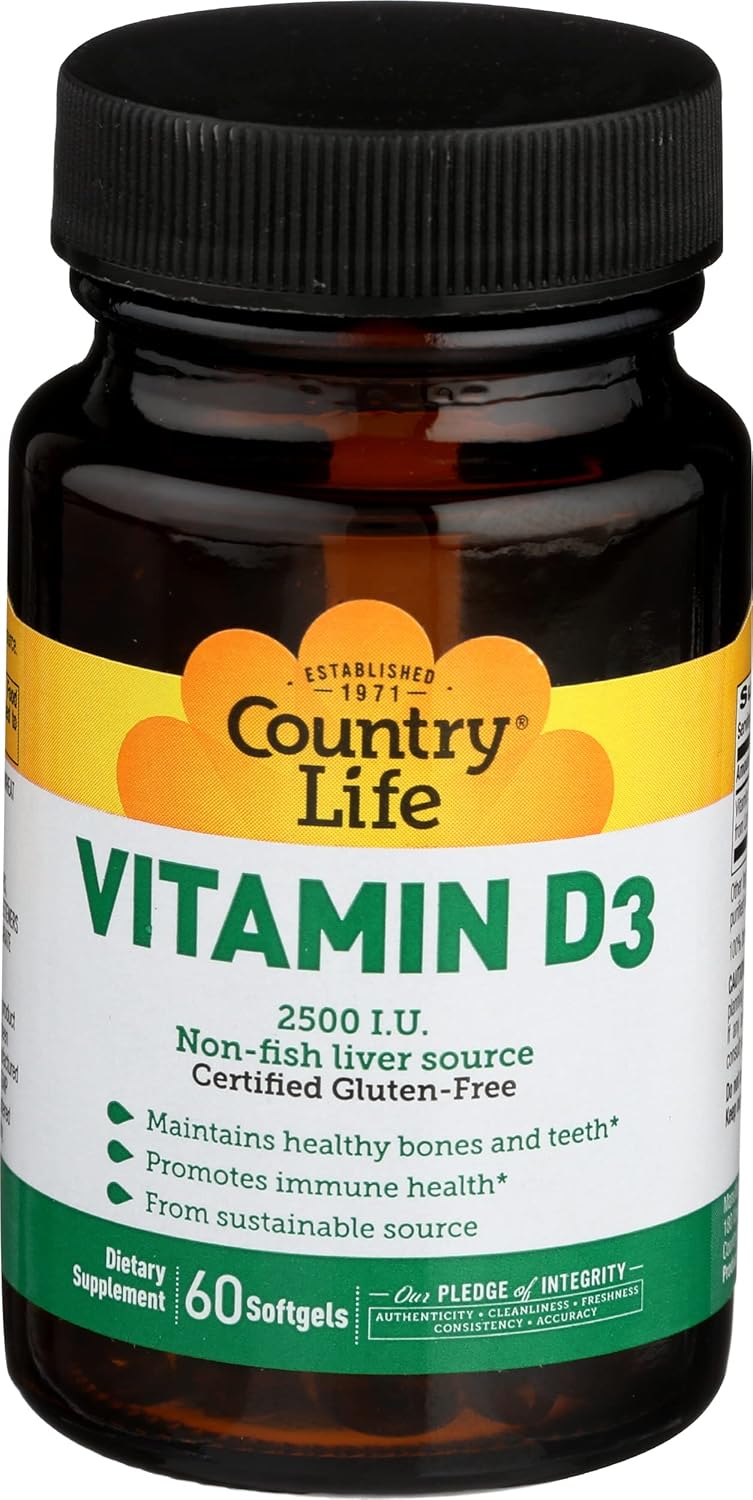
At 5,000 IU (125 mcg) per softgel, this **Vitamin D3** sits at the high-correction end of the dosing range — useful if you're rebuilding levels after a documented deficiency or a low-sun winter, but more than you need for everyday maintenance, which lands closer to 1,000–2,000 IU. It's the cholecalciferol (D3) form, the one your body uses most efficiently to raise and hold blood levels.
This dose backs bone strength, immune function, and dental health, the areas where vitamin D has the strongest clinical evidence. Because D3 is fat-soluble, take the softgel with a meal, as the label suggests, so your body actually absorbs it.
One thing to know: 5,000 IU is above the 4,000 IU everyday upper limit, so treat it as a tool for correcting low levels rather than a forever dose — if you stay on it long-term, get your blood levels checked.
BioStacks
Best for
Ingredients (1)
Vitamin D
100%Dose
5000 IU
Target
1000–5000 IU
Form
Premium
Other Ingredients (4)
GelatinCapsule
Protein derived from collagen, used in traditional capsule shells
GlycerinHumectant
Sweet-tasting liquid used in soft capsules and liquids
Safflower Seed OilCarrier
Light, neutral oil from safflower seeds used as a carrier in softgels for fat-soluble nutrients
Sunflower Seed OilCarrier
Common vegetable oil from sunflower seeds used as a carrier in softgels for fat-soluble nutrients
How to Take It
Take it anytime
Fat-soluble — take with your largest fat-containing meal. Time of day doesn't matter.
With a meal containing fat
On the label
Directions: For adults, take one (1) quick release softgel daily, preferably with a meal.
General guidance based on the ingredients, not a substitute for the label or your doctor.
Price Check
No price yet
What 552 vitamin D supplements cost
Track this supplement in your stack
Get personalized insights, interactions, and coverage recommendations.
Get Started FreeSimilar Supplements
Sources & Scoring
Nutrient data (RDA, UL, and safety thresholds) sourced from the NIH Office of Dietary Supplements and the National Academies Dietary Reference Intakes (DRI).
This is not medical advice. Consult a healthcare provider before making changes to your supplement routine.
The score analyzes what's on the label: ingredient doses vs. studied ranges, chemical forms, evidence levels, and known interactions. It does not verify label accuracy or test for contaminants — for that, look for third-party certifications like USP or NSF.