BioStacks
Best for
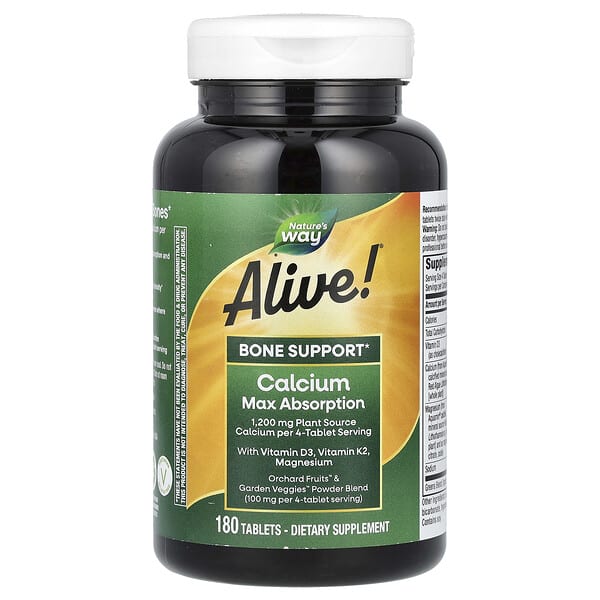
Ingredients (7)
Vitamin D3
100%Dose
1000 IU
Target
1000–5000 IU
Form
Premium
Calcium
100%Dose
905 mg
Target
200–600 mg
Form
Not listed
Vitamin K2
50%Dose
45 mcg
Target
90–200 mcg
Form
Premium
Magnesium
62%Dose
62 mg
Target
100–400 mg
Form
Not listed
Vitamin K1
39%Dose
35 mcg
Target
90–200 mcg
Form
Budget
Other Ingredients (9)
Agave NectarSweetener
Agave nectar is ~70–90% fructose by composition (vs sucrose's 50% and high-fructose corn syrup's 55%). Low glycemic index is a fructose artifact — fructose bypasses insulin-mediated metabolism and is preferentially shuttled to hepatic de novo lipogenesis. Chronic high-fructose intake is associated with hepatic steatosis, insulin resistance, and adverse lipid changes (Stanhope 2009 RCT). The 'natural' / 'healthier than sugar' marketing positioning contradicts the metabolic profile. Per brand voice: this is a clearer case than most of marketing-vs-science divergence.
MaltodextrinBinder
Spikes blood sugar faster than table sugar (glycemic index 85–105). Research links it to gut bacteria changes that may promote intestinal inflammation (Nickerson et al. 2015). Used as a cheap filler — adds nothing beneficial.
Medium Chain Triglyceride OilCarrier
Fractionated oils rich in C8/C10 triglycerides used as neutral carrier or anti-sticking agent
Guar GumThickener
Natural thickener derived from guar beans
Gum AcaciaBinder
Natural plant gum (acacia) used as a binder, stabilizer, and emulsifier in foods and supplements
Oat FiberFiber
Insoluble dietary fiber from the outer hull or bran of oat grains; primarily cellulose and hemicellulose, low in beta-glucan compared to oat bran soluble fraction
Vegetable OilCarrier
Edible oils used as carriers in softgels and as processing aids
Psyllium (seed/husk)Fiber
Natural soluble fiber from Plantago ovata seed husks, widely used as a fiber supplement base
How to Take It
Best taken in the evening
The Magnesium in it is what pulls this toward the evening. Take it with a meal containing fat — the vitamins D and K in it absorb poorly without one.
With a meal containing fat
Keep it away from high-oxalate foods like spinach
Space it a couple of hours from Iron and Zinc
On the label
Three tablets daily with food.
General guidance based on the ingredients, not a substitute for the label or your doctor.
Price Check
$38.00
Pricier than 71% of 95 dental supplements
Track this supplement in your stack
Get personalized insights, interactions, and coverage recommendations.
Get Started FreeSimilar Supplements
Sources & Scoring
Nutrient data (RDA, UL, and safety thresholds) sourced from the NIH Office of Dietary Supplements and the National Academies Dietary Reference Intakes (DRI).
This is not medical advice. Consult a healthcare provider before making changes to your supplement routine.
The score analyzes what's on the label: ingredient doses vs. studied ranges, chemical forms, evidence levels, and known interactions. It does not verify label accuracy or test for contaminants — for that, look for third-party certifications like USP or NSF.