BioStacks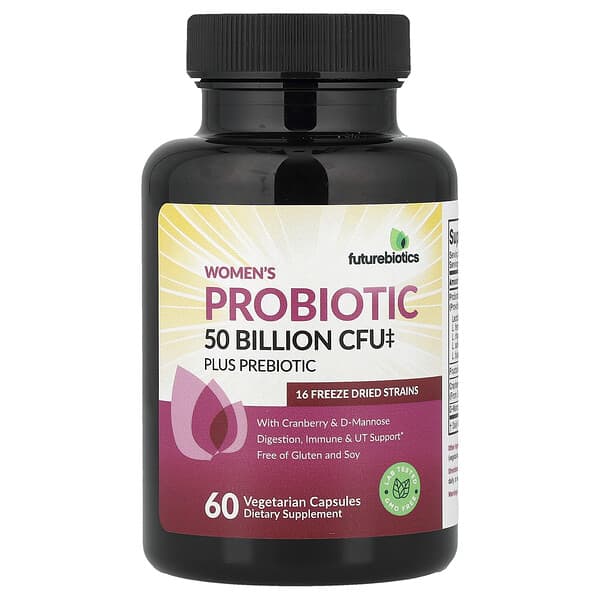
Best for
Ingredients (14)
Cranberry juice powder
100%Dose
500 mg
Target
500–1500 mg
Form
—
D-Mannose
100%Dose
2000 mg
Target
1000–2000 mg
Form
—
Blend of 10 Strains of Probiotic Bacteria
100%Dose
2 billion cfu
Target
1–100 B CFU
Form
Not listed
Uva ursi Extract
1%Dose
5 mg
Target
400–800 mg
Form
—
Lactobacillus acidophilus (La-14)
Amount not found
Other Ingredients (7)
XylitolSweetener
A FODMAP sugar alcohol that can cause GI distress (bloating, gas, diarrhea) at moderate doses (>10-20g/day), though supplement amounts are typically small. Extremely toxic to dogs — households with pets should store securely.
Natural FlavorsFlavor
Broad regulatory category of flavor constituents derived from natural sources. Composition is proprietary and not disclosed — 'Natural Flavors' can include several hundred different compounds depending on the target flavor profile, including hexane-extracted constituents and proprietary carrier solvents. 'Natural' is a regulatory definition (21 CFR §101.22), not a safety guarantee.
Silicon DioxideAnti-caking
Fine silica powder used to prevent clumping
Citric AcidAcidulant
Natural acid derived from citrus fruits
Malic AcidAcidulant
Naturally occurring organic acid found in apples, used as a flavor enhancer and acidulant in supplements
Stevia ExtractSweetener
Zero-calorie natural sweetener extracted from the leaves of Stevia rebaudiana
Tartaric AcidAcidulant
A naturally occurring fruit acid used to adjust pH and add tartness
How to Take It
Best taken in the morning
Live strains survive stomach acid best taken with or just before a meal — after a meal is the worst option. Consistency matters more than the clock.
With food
Keep it away from hot food or drink
On the label
Empty 1 packet into 4 to 6 oz. of water. Use 1 packet 1 to 3 times daily.Store in a cool, dry place after opening.
General guidance based on the ingredients, not a substitute for the label or your doctor.
Price Check
$32.99
Near the median of 137 probiotics supplements
Track this supplement in your stack
Get personalized insights, interactions, and coverage recommendations.
Get Started FreeSimilar Supplements
Futurebiotics
Women's Probiotic Plus Prebiotic, 60 Vegetarian Capsules
🍏 for Digestion
63
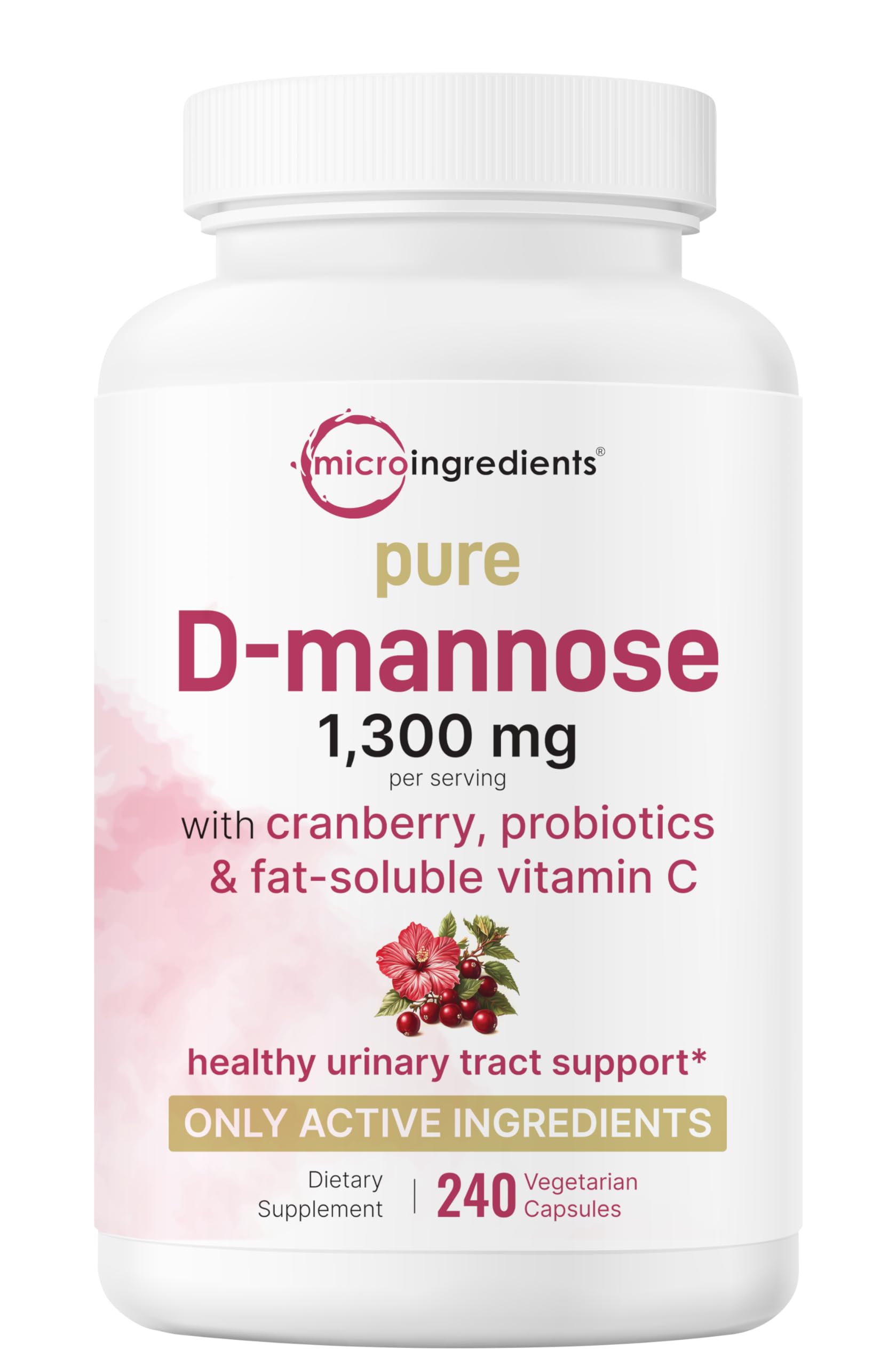
Micro Ingredients
Pure D-Mannose 1300 Mg
🍏 for Digestion
36
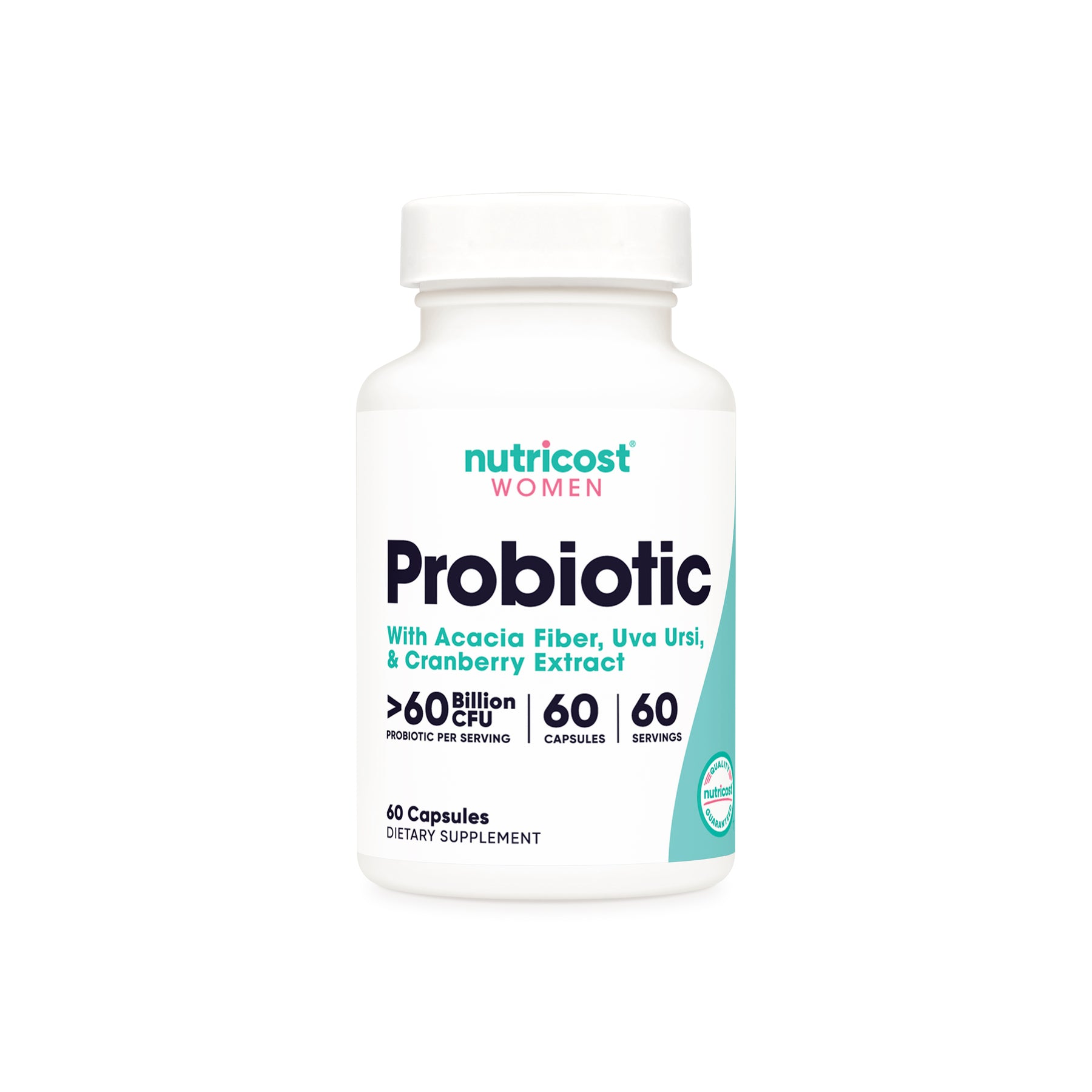
Nutricost
Women Probiotic 60 Billion CFU
🍏 for Digestion
29
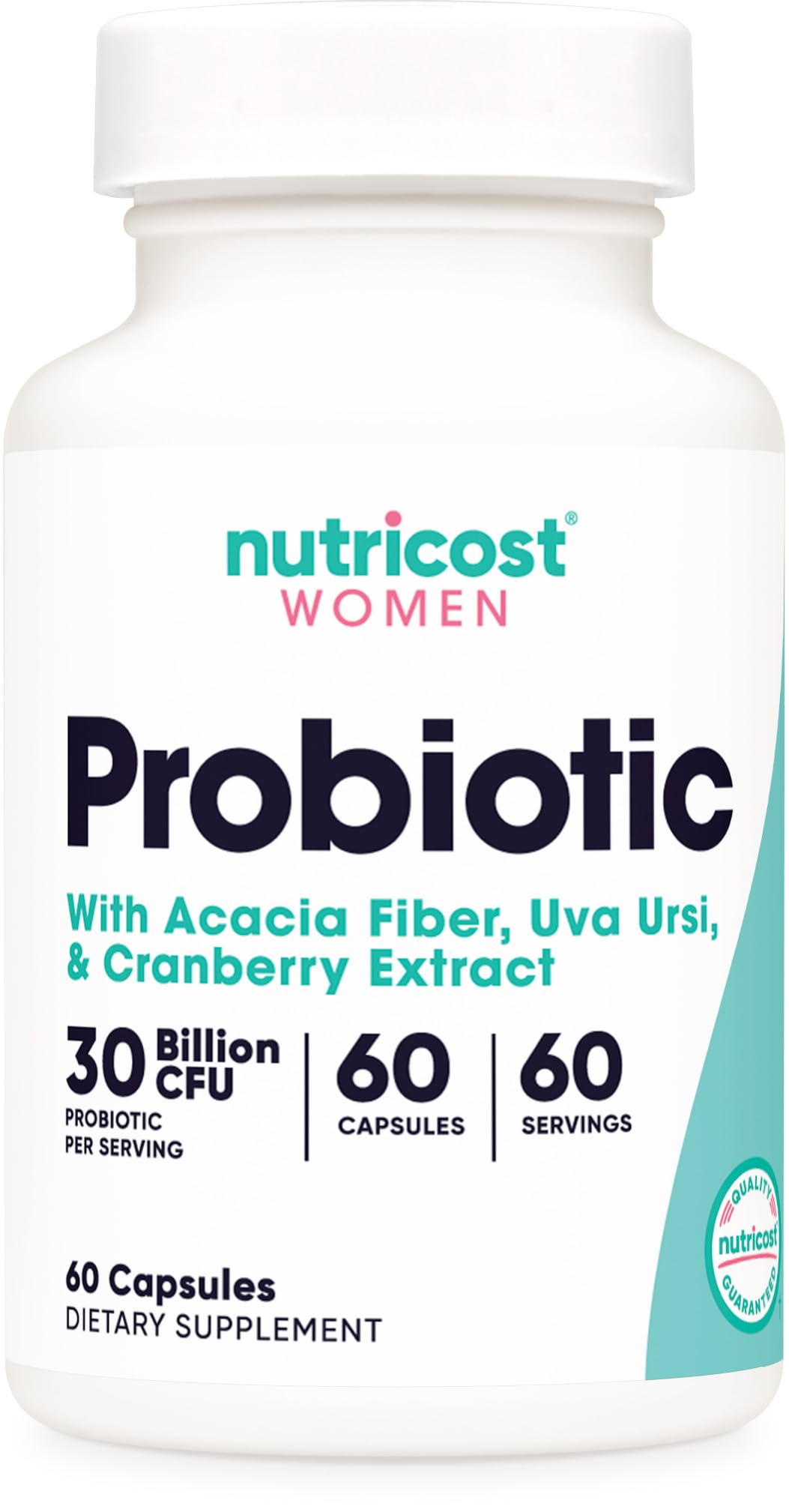
Nutricost
Women Probiotic 30 Billion CFU
🍏 for Digestion
28
Nutricost
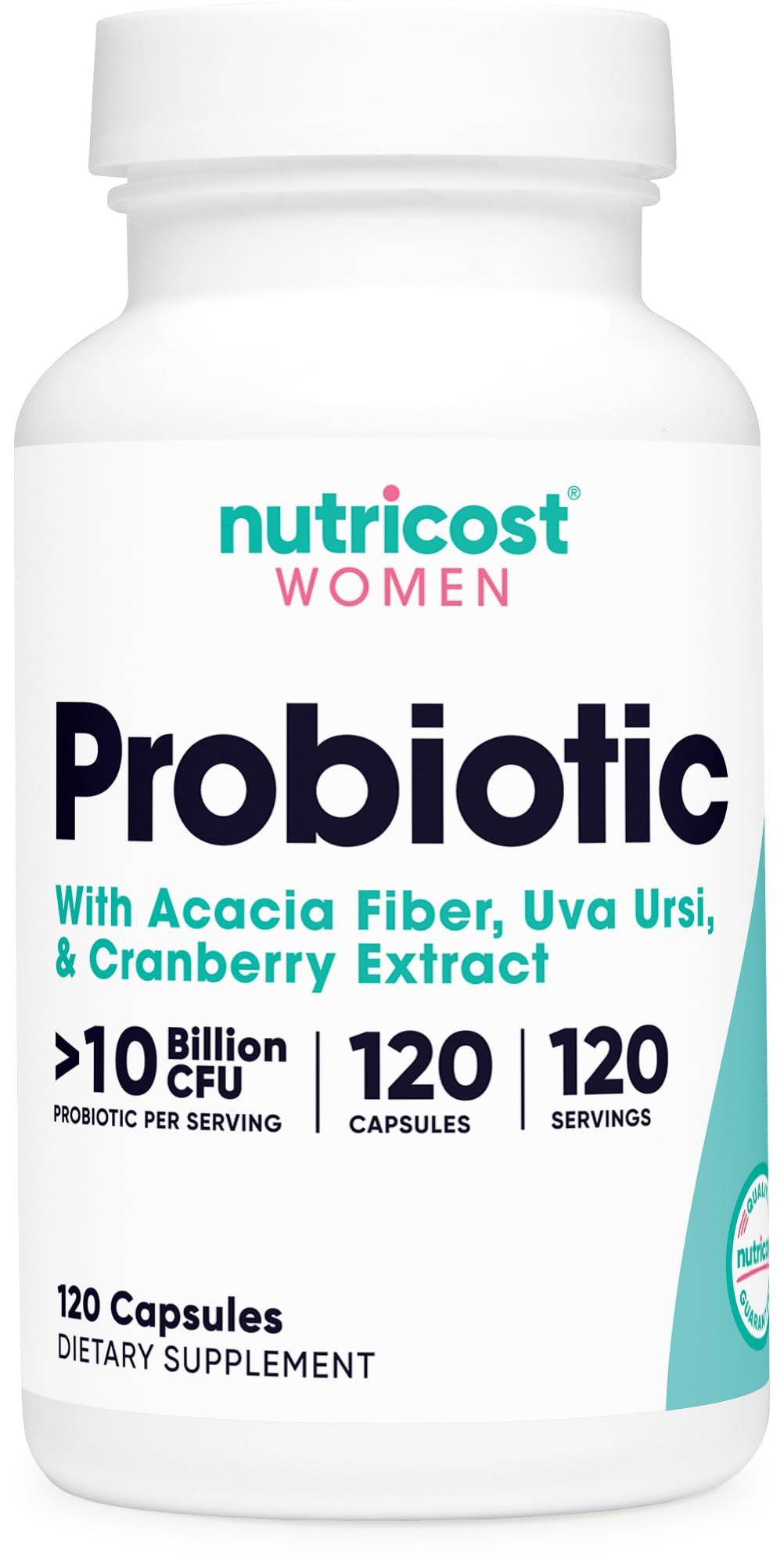
Probiotic Women 10 Billion CFU
🍏 for Digestion
1
Sources & Scoring
Nutrient data (RDA, UL, and safety thresholds) sourced from the NIH Office of Dietary Supplements and the National Academies Dietary Reference Intakes (DRI).
This is not medical advice. Consult a healthcare provider before making changes to your supplement routine.
The score analyzes what's on the label: ingredient doses vs. studied ranges, chemical forms, evidence levels, and known interactions. It does not verify label accuracy or test for contaminants — for that, look for third-party certifications like USP or NSF.