This is a hormone-support formula built around **DIM** (diindolylmethane), the cruciferous-vegetable compound studied for nudging estrogen metabolism toward its more protective pathway. You're getting 200mg per capsule, which lands squarely inside the 100-300mg range used in clinical trials, so on dose alone that's a real, studied amount.
Two things the label doesn't tell you matter here. First, nearly every DIM trial used a microencapsulated, phospholipid-carried form (BioResponse DIM) that absorbs far better than plain crystalline DIM; the form isn't specified here and there's no lecithin or piperine to aid uptake, so how much you actually absorb is an open question. Second, the research itself is limited: DIM reliably shifts an estrogen biomarker, but harder outcomes like symptom relief or disease prevention haven't been proven.
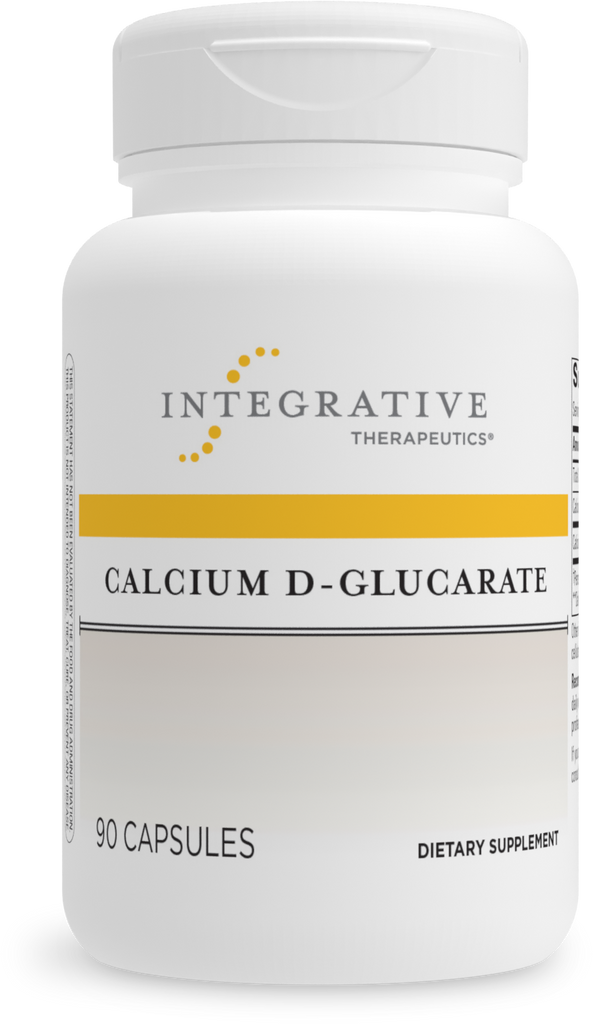
The supporting ingredients trail their studied doses. Calcium D-Glucarate is included at 100mg, below the 200mg floor of its supplemental range, and its human evidence is essentially preclinical. Chlorophyllin at 20mg sits well under the 100-300mg used in research, where it was studied for binding toxins rather than hormonal support. What you're really paying for here is the DIM.
BioStacks
Other Ingredients (4)
Silicon DioxideAnti-caking
Fine silica powder used to prevent clumping
HypromelloseCapsule
Plant-derived capsule material from cellulose
Microcrystalline CelluloseBinder
Plant-derived cellulose used as a binder and filler in supplements
Stearic AcidLubricant
Saturated fatty acid used as tablet lubricant
How to Take It
Take it anytime
Timing doesn't matter for this one — taking it consistently does.
With or without food
On the label
Suggested usage: Take 1 capsule daily with a meal.
General guidance based on the ingredients, not a substitute for the label or your doctor.
Price Check
No price yet
What 31 DIM supplements cost
Track this supplement in your stack
Get personalized insights, interactions, and coverage recommendations.
Get Started FreeSimilar Supplements
Sources & Scoring
Nutrient data (RDA, UL, and safety thresholds) sourced from the NIH Office of Dietary Supplements and the National Academies Dietary Reference Intakes (DRI).
This is not medical advice. Consult a healthcare provider before making changes to your supplement routine.
The score analyzes what's on the label: ingredient doses vs. studied ranges, chemical forms, evidence levels, and known interactions. It does not verify label accuracy or test for contaminants — for that, look for third-party certifications like USP or NSF.