If you're looking for a folate supplement your body can actually use, this delivers 1,000 mcg of **Methylfolate** in the Quatrefolic form — the bioactive version that skips the conversion steps synthetic folic acid requires. That's well above the 400–800 mcg clinical range, giving you a full effective dose in a single tablet.
The Quatrefolic form matters more than the dose itself. Up to 40% of people carry MTHFR gene variants that impair folic acid conversion, making methylfolate the only reliable option for maintaining healthy folate levels. You're getting the premium form here, which is especially relevant if you're supporting methylation, prenatal health, or homocysteine management.
The one thing to note: at 1,700 mcg DFE, this exceeds the tolerable upper intake for synthetic folic acid. That threshold was set for folic acid specifically, not methylfolate, but if you're stacking this with a multivitamin that also contains folate, keep your total intake in mind.
BioStacks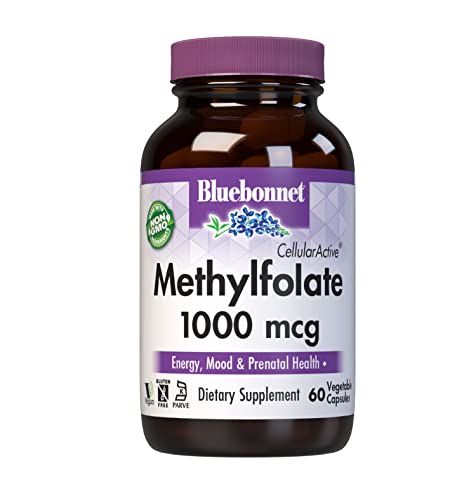
Other Ingredients (3)
Silicon DioxideAnti-caking
Fine silica powder used to prevent clumping
Microcrystalline CelluloseBinder
Plant-derived cellulose used as a binder and filler in supplements
Stearic AcidLubricant
Saturated fatty acid used as tablet lubricant
How to Take It
Take it anytime
Water-soluble — timing is flexible. Consistency matters more than the clock.
With or without food
On the label
Take 1 tablet daily with a meal.
General guidance based on the ingredients, not a substitute for the label or your doctor.
Price Check
$27.00
Pricier than 80% of 138 vitamin B9 supplements
Track this supplement in your stack
Get personalized insights, interactions, and coverage recommendations.
Get Started FreeSimilar Supplements
Bluebonnet
CellularActive Methylfolate 1000 mcg
🤰 for Pregnancy
100
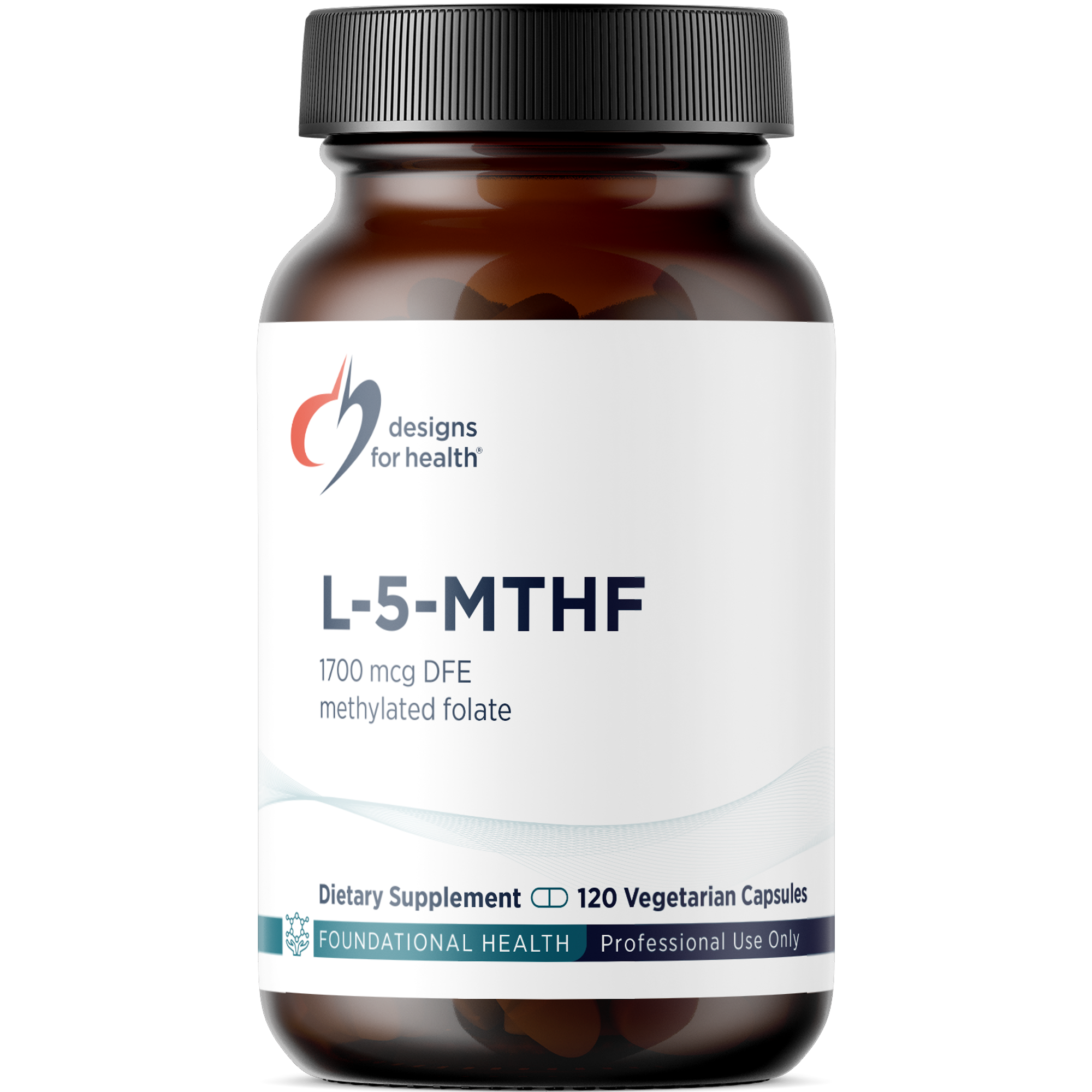
Designs for Health
L-5-MTHF 1700 mcg
🤰 for Pregnancy
100
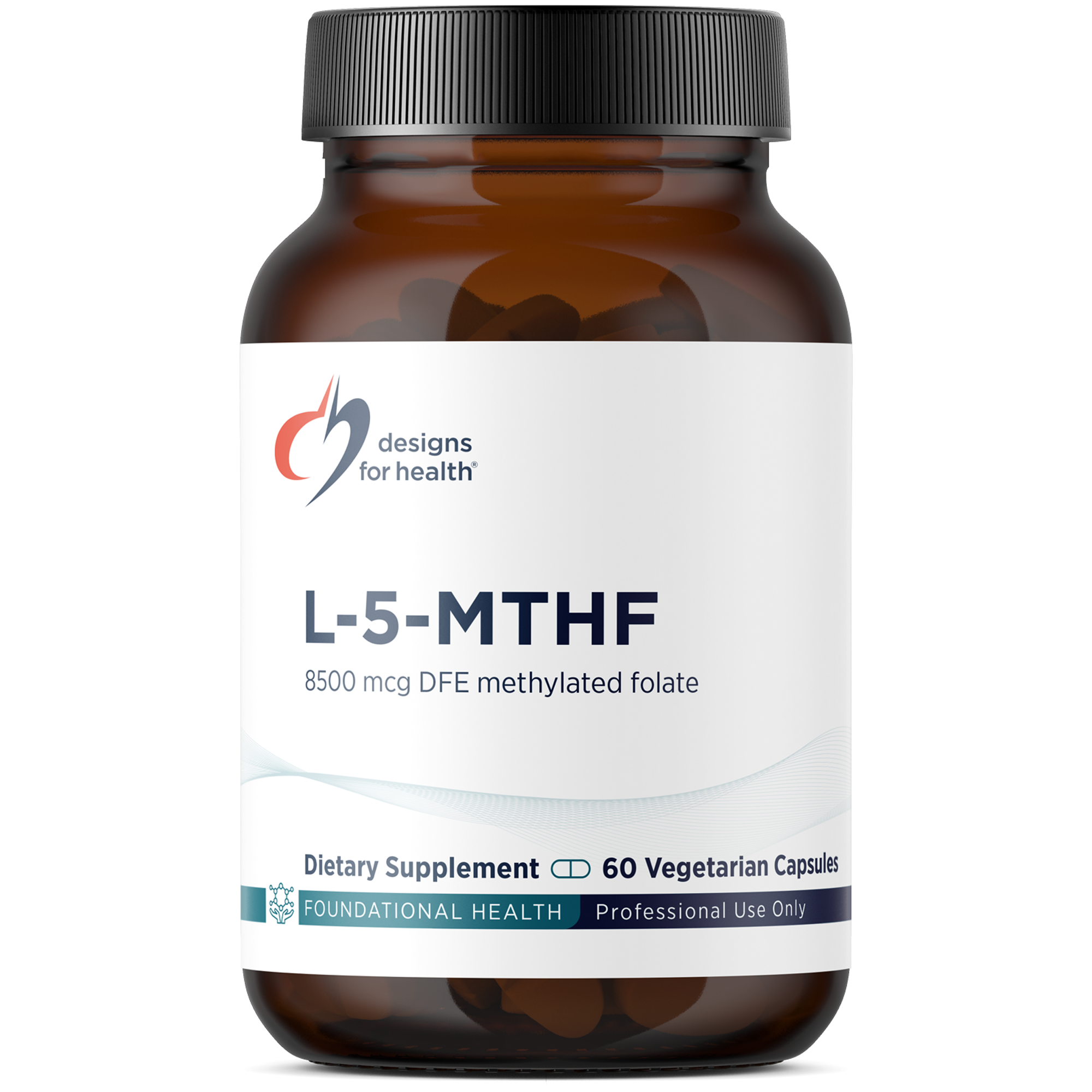
Designs for Health
L-5-MTHF 8500 Mcg
🤰 for Pregnancy
100
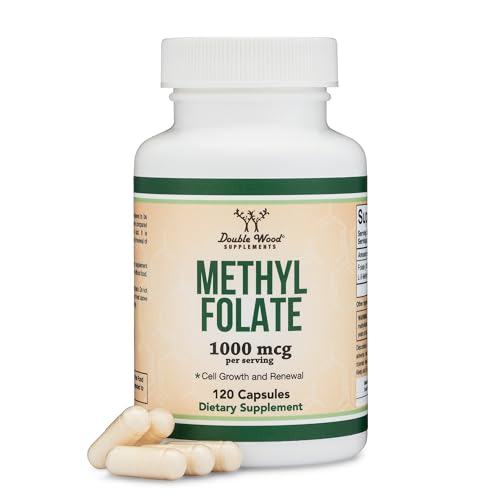
Double Wood Supplements
Methyl Folate 1000mcg
🤰 for Pregnancy
100
Life Extension
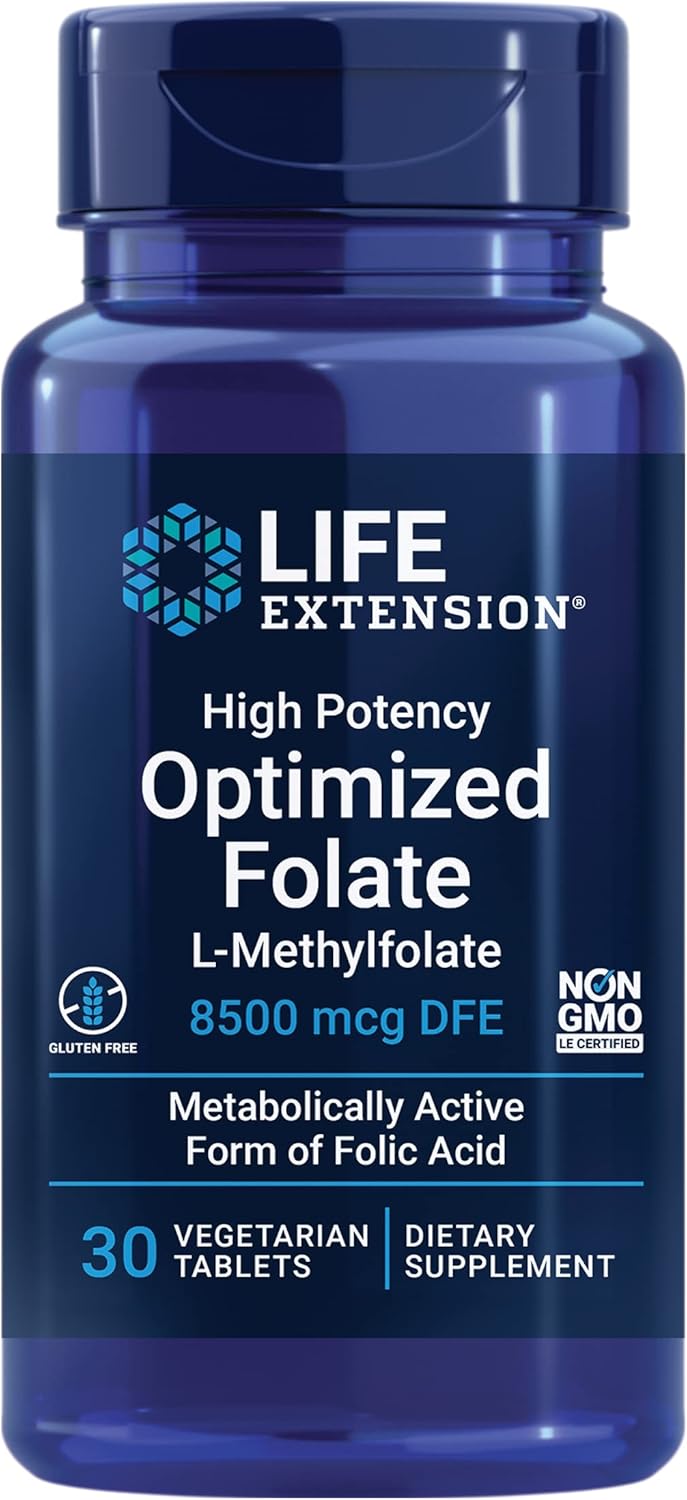
High Potency Optimized Folate 8500 mcg DFE
🤰 for Pregnancy
100
Sources & Scoring
Nutrient data (RDA, UL, and safety thresholds) sourced from the NIH Office of Dietary Supplements and the National Academies Dietary Reference Intakes (DRI).
This is not medical advice. Consult a healthcare provider before making changes to your supplement routine.
The score analyzes what's on the label: ingredient doses vs. studied ranges, chemical forms, evidence levels, and known interactions. It does not verify label accuracy or test for contaminants — for that, look for third-party certifications like USP or NSF.