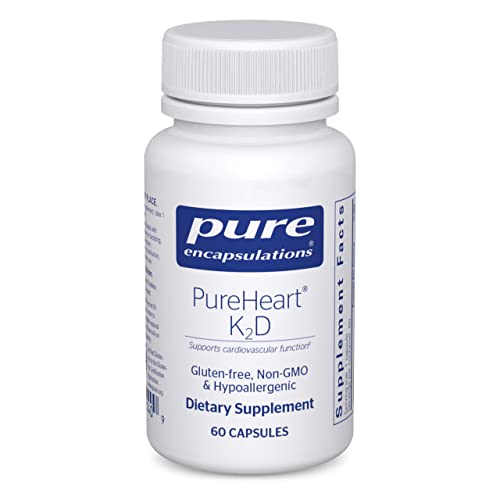
**Vitamin D3** at 5,000 IU per capsule puts you right at the top of the clinically studied range for maintaining healthy blood levels, supporting bone density, and bolstering immune function. Paired with **Vitamin K2** at 180 mcg — near the ceiling of the effective range — this combination ensures the calcium your body absorbs actually gets directed to your bones and teeth rather than building up in your arteries.
The K2 here uses MenaQ7, an MK-7 form with a half-life of roughly 96 hours, meaning a single daily capsule keeps it active in your system for days. That long-lasting activity is what makes MK-7 the preferred form for sustained bone and cardiovascular support. The capsule directions suggest taking it with a fat-containing meal, which matters since both vitamins are fat-soluble.
At 5,000 IU, you're above the official tolerable upper limit of 4,000 IU, which is safe for most adults but worth discussing with your doctor if you haven't tested your blood levels recently.
BioStacksAsk AI about this product
What it does
A combination of 2 label ingredients.
Vitamin K
menaq7Premium
Supports normal blood clotting and activates proteins involved in maintaining bones.
Vitamin D
vitamin d3Premium
Cholecalciferol (vitamin d3): Supports normal bones; D3 generally raises vitamin D blood levels more than comparable D2 doses.
Ingredients (2)
Other ingredients
Silicon DioxideAnti-caking
Fine silica powder used to prevent clumping
HypromelloseCapsule
Plant-derived capsule material from cellulose
Microcrystalline CelluloseBinder
Plant-derived cellulose used as a binder and filler in supplements
Lab testing
How to take it
With a meal containing fat
On the label
Suggested use: Take 1 capsule daily with a fat-containing meal.
Price check
$28.16
Pricier than 84% of 552 vitamin D supplements
Similar products
Sources & Scoring
Nutrient data (RDA, UL, and safety thresholds) sourced from the NIH Office of Dietary Supplements and the National Academies Dietary Reference Intakes (DRI).
This is not medical advice. Consult a healthcare provider before making changes to your supplement routine.
The score analyzes what's on the label: ingredient doses vs. studied ranges, chemical forms, evidence levels, and known interactions. It does not verify label accuracy or test for contaminants — for that, look for third-party certifications like USP or NSF.
Not medical advice. Consult your healthcare professional.