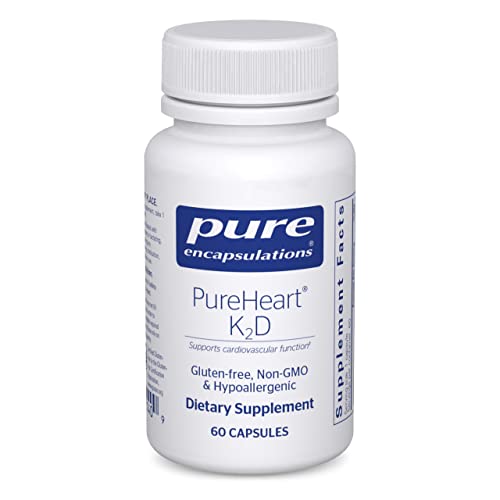
**Vitamin D3** at 1,000 IU per capsule gives you the minimum clinically supported dose for maintaining healthy blood levels. That's enough for general maintenance if you get regular sun, but if you're deficient or live in a northern climate, the label's two-capsule option (2,000 IU) puts you in a more effective range — many practitioners recommend 2,000–5,000 IU depending on your baseline.
The pairing with **Vitamin K2** is the right idea — K2 directs calcium into your bones instead of your arteries, which matters when D3 is boosting your calcium absorption. Both vitamins are fat-soluble, so taking your capsule with a meal helps you absorb them properly.
The K2 dose is the gap worth knowing about. At 45 mcg of MK-4, you're getting half the minimum studied range of 90–200 mcg. MK-4 also clears your body in just a few hours, so even at two capsules daily you're barely reaching the clinical floor — and only briefly.
BioStacks
Other Ingredients (4)
Rice FlourFiller
Rice-based ingredients carry risk of inorganic arsenic contamination (FDA and Consumer Reports). Rice accumulates arsenic from soil at higher rates than other grains. Used as a cheap filler — adds nothing beneficial.
Silicon DioxideAnti-caking
Fine silica powder used to prevent clumping
Ascorbyl PalmitateAntioxidant
Fat-soluble form of vitamin C used as preservative
HypromelloseCapsule
Plant-derived capsule material from cellulose
How to Take It
Take it anytime
Fat-soluble — take with your largest fat-containing meal. Time of day doesn't matter.
With a meal containing fat
Split into 2 doses across the day
On the label
Suggested Usage: Take 1 capsule 1 to 2 times daily with food.
General guidance based on the ingredients, not a substitute for the label or your doctor.
Price Check
$9.17
Cheaper than 85% of 552 vitamin D supplements
Track this supplement in your stack
Get personalized insights, interactions, and coverage recommendations.
Get Started FreeSimilar Supplements
Sources & Scoring
Nutrient data (RDA, UL, and safety thresholds) sourced from the NIH Office of Dietary Supplements and the National Academies Dietary Reference Intakes (DRI).
This is not medical advice. Consult a healthcare provider before making changes to your supplement routine.
The score analyzes what's on the label: ingredient doses vs. studied ranges, chemical forms, evidence levels, and known interactions. It does not verify label accuracy or test for contaminants — for that, look for third-party certifications like USP or NSF.