BioStacks
Best for
Ingredients (4)
Vitamin D
100%Dose
2000 IU
Target
1000–5000 IU
Form
Premium
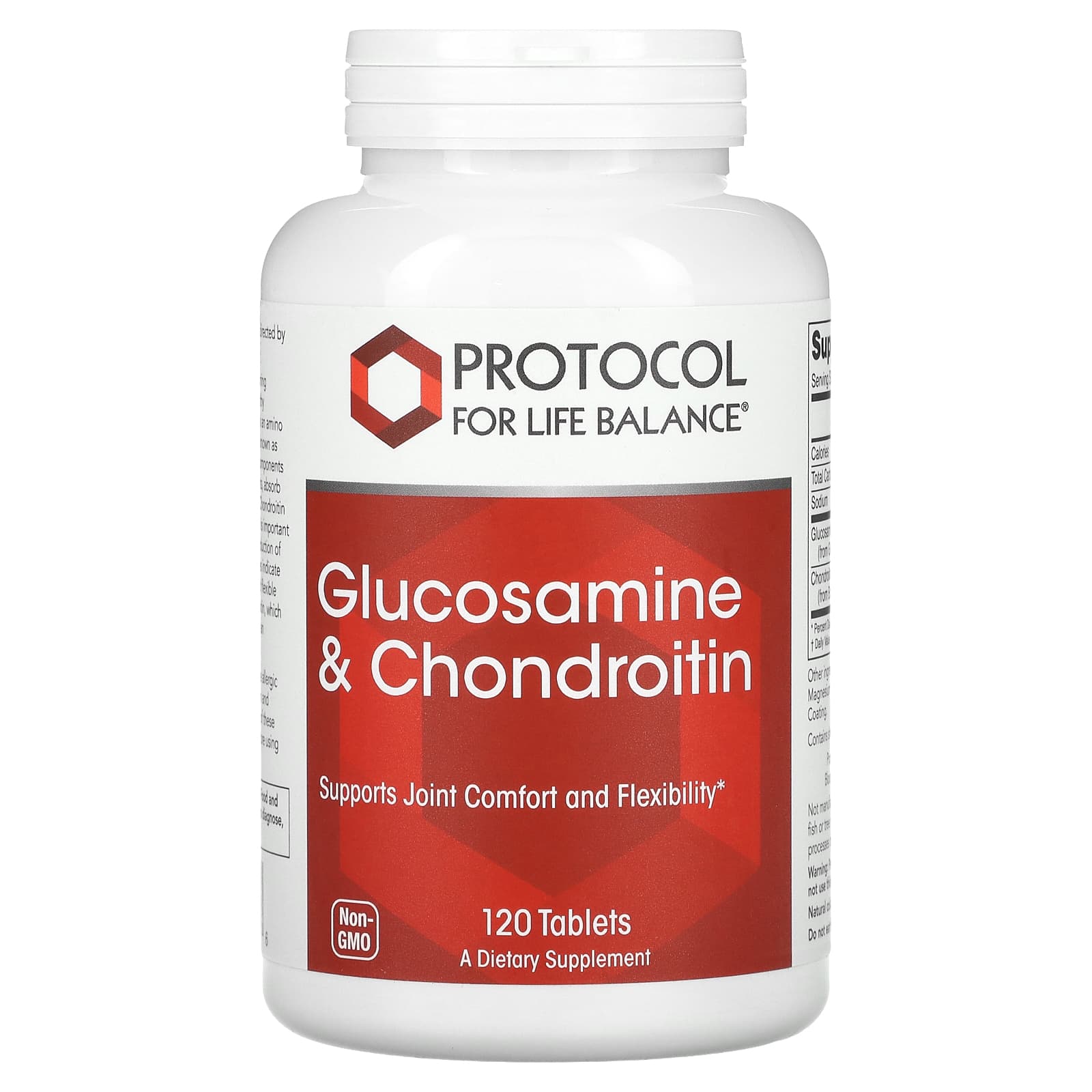
Glucosamine Hydrochloride
100%Dose
1500 mg
Target
1000–1500 mg
Form
Premium
Joint Shield 5-Loxin Advanced
100%Dose
100 mg
Target
100–250 mg
Form
Premium
Chondroitin/MSM complex
34%Dose
275 mg
Target
800–1200 mg
Form
Standard
Nutrition
Calories, macros & sodium.
- Calories10 Calorie(s)
- Sodium20 mg
- Total Carbohydrate2 Gram(s)
Other Ingredients (10)
TalcAnti-caking
IARC classifies cosmetic-grade talc not containing asbestos as Group 2B (possibly carcinogenic to humans); perineal talc use as Group 2A (probably carcinogenic). Johnson & Johnson voluntarily withdrew talc-based baby powder from US/Canada in 2020 and globally in 2022 after extensive litigation tied to ovarian-cancer and mesothelioma cases. The 2018 FDA contamination survey found asbestos in 9 of 52 cosmetic talc products tested. As a supplement excipient talc is a pure manufacturing convenience — no nutritional or functional benefit to the user — so the asbestos-exposure risk has no offsetting upside. Safer alternatives (silicon dioxide, microcrystalline cellulose, rice hulls) are widely available.
Titanium DioxideColorant
Banned in the EU (2022) over concerns that its ultra-fine particles may damage DNA in gut cells. Still allowed in the US. Used only for white coloring — provides no health benefit.
Magnesium StearateLubricant
A salt of stearic acid used as a lubricant in tablet and capsule production
Medium Chain Triglyceride OilCarrier
Fractionated oils rich in C8/C10 triglycerides used as neutral carrier or anti-sticking agent
PolydextroseFiller
A synthetic soluble fiber/bulking agent made from glucose
Silicon DioxideAnti-caking
Fine silica powder used to prevent clumping
Microcrystalline CelluloseBinder
Plant-derived cellulose used as a binder and filler in supplements
Microcrystalline CelluloseBinder
Plant-derived cellulose used as a binder and filler in supplements
How to Take It
Take it anytime
Fat-soluble — take with your largest fat-containing meal. Time of day doesn't matter.
With a meal containing fat
On the label
2 Per day Directions for adults use: take two (2) tablets per day preferably with food. As a reminder, discuss the supplements and medications you take with your health care providers.
General guidance based on the ingredients, not a substitute for the label or your doctor.
Price Check
No price yet
What 552 vitamin D supplements cost
Track this supplement in your stack
Get personalized insights, interactions, and coverage recommendations.
Get Started FreeSimilar Supplements
Sources & Scoring
Nutrient data (RDA, UL, and safety thresholds) sourced from the NIH Office of Dietary Supplements and the National Academies Dietary Reference Intakes (DRI).
This is not medical advice. Consult a healthcare provider before making changes to your supplement routine.
The score analyzes what's on the label: ingredient doses vs. studied ranges, chemical forms, evidence levels, and known interactions. It does not verify label accuracy or test for contaminants — for that, look for third-party certifications like USP or NSF.