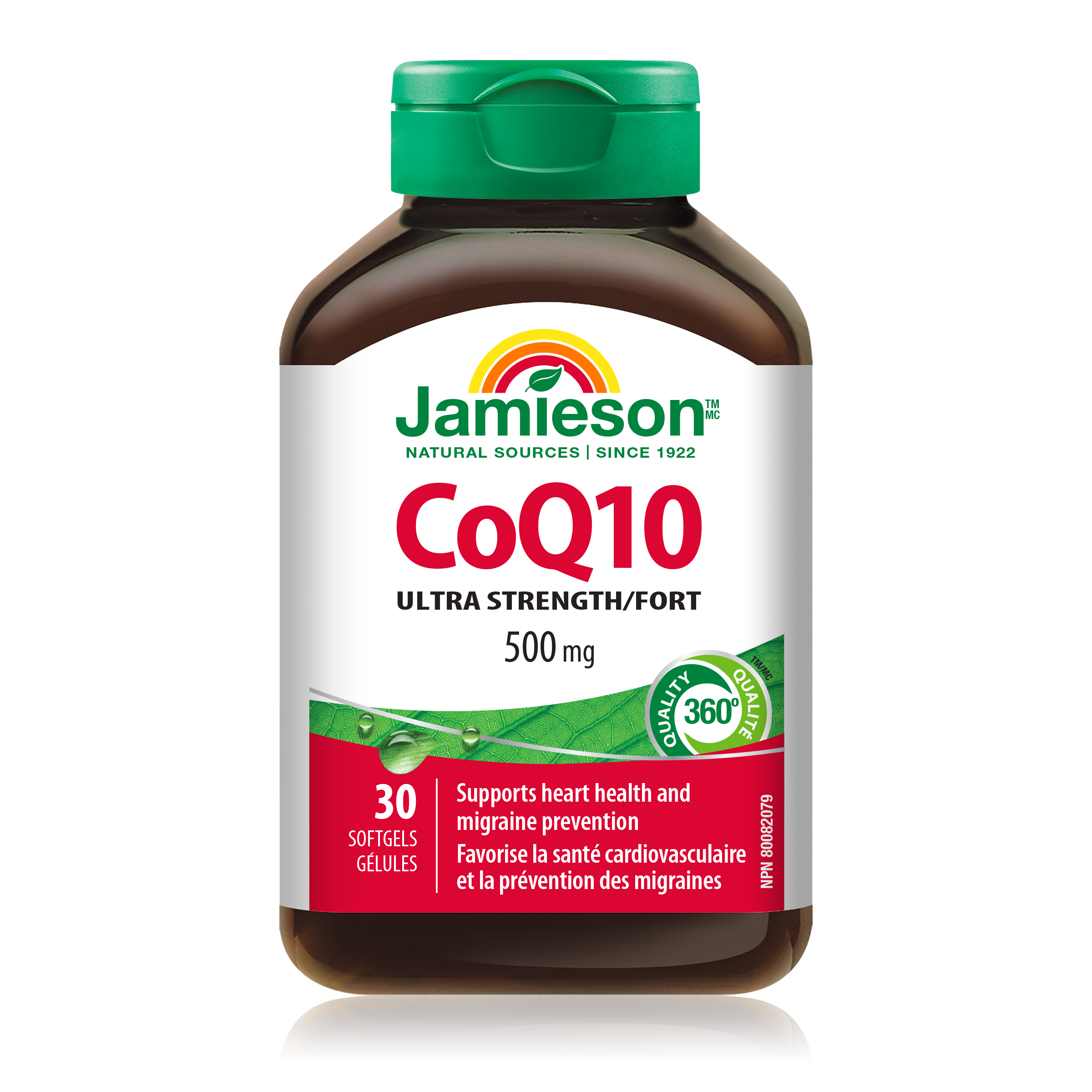
This **Coenzyme Q10** delivers 500mg per capsule for cellular energy and heart support, well above the 100–300mg range used in most clinical research. That puts a single capsule comfortably past standard maintenance dosing. A dose this high makes the most sense if you're on a statin (which depletes your CoQ10), managing heart failure symptoms, or want aggressive mitochondrial support — for everyday energy upkeep, 100–200mg usually does the job. Take it with a meal containing fat, since CoQ10 is fat-soluble and absorbs poorly on an empty stomach.
One thing to know about the form: this is ubiquinone, the oxidized version your body has to convert into active ubiquinol before it can use it. That conversion slows after about age 40, so if you're older you may absorb more from the ubiquinol form — though the sheer 500mg here helps offset that gap.
BioStacks
Best for
Ingredients (1)
Coenzyme Q10
100%Dose
500 mg
Target
100–300 mg
Form
—
Other Ingredients (2)
Dicalcium PhosphateBinder
Calcium and phosphorus compound used as binder
Capsule ShellCapsule
Generic capsule shell where the label does not specify the material. Common materials are hypromellose (HPMC) for vegetarian capsules and gelatin for traditional capsules — both are GRAS-listed and safe. Fish gelatin and pullulan variants also exist.
How to Take It
Take it anytime
Fat-soluble — absorbs far better with a fat-containing meal. Time of day doesn't matter.
With a meal containing fat
On the label
As a dietary supplement, take 1 capsule, 1-2 times daily, with meals.
General guidance based on the ingredients, not a substitute for the label or your doctor.
Price Check
$204.60
Pricier than 99% of 223 coenzyme Q10 supplements
Track this supplement in your stack
Get personalized insights, interactions, and coverage recommendations.
Get Started FreeSimilar Supplements
Sources & Scoring
Nutrient data (RDA, UL, and safety thresholds) sourced from the NIH Office of Dietary Supplements and the National Academies Dietary Reference Intakes (DRI).
This is not medical advice. Consult a healthcare provider before making changes to your supplement routine.
The score analyzes what's on the label: ingredient doses vs. studied ranges, chemical forms, evidence levels, and known interactions. It does not verify label accuracy or test for contaminants — for that, look for third-party certifications like USP or NSF.