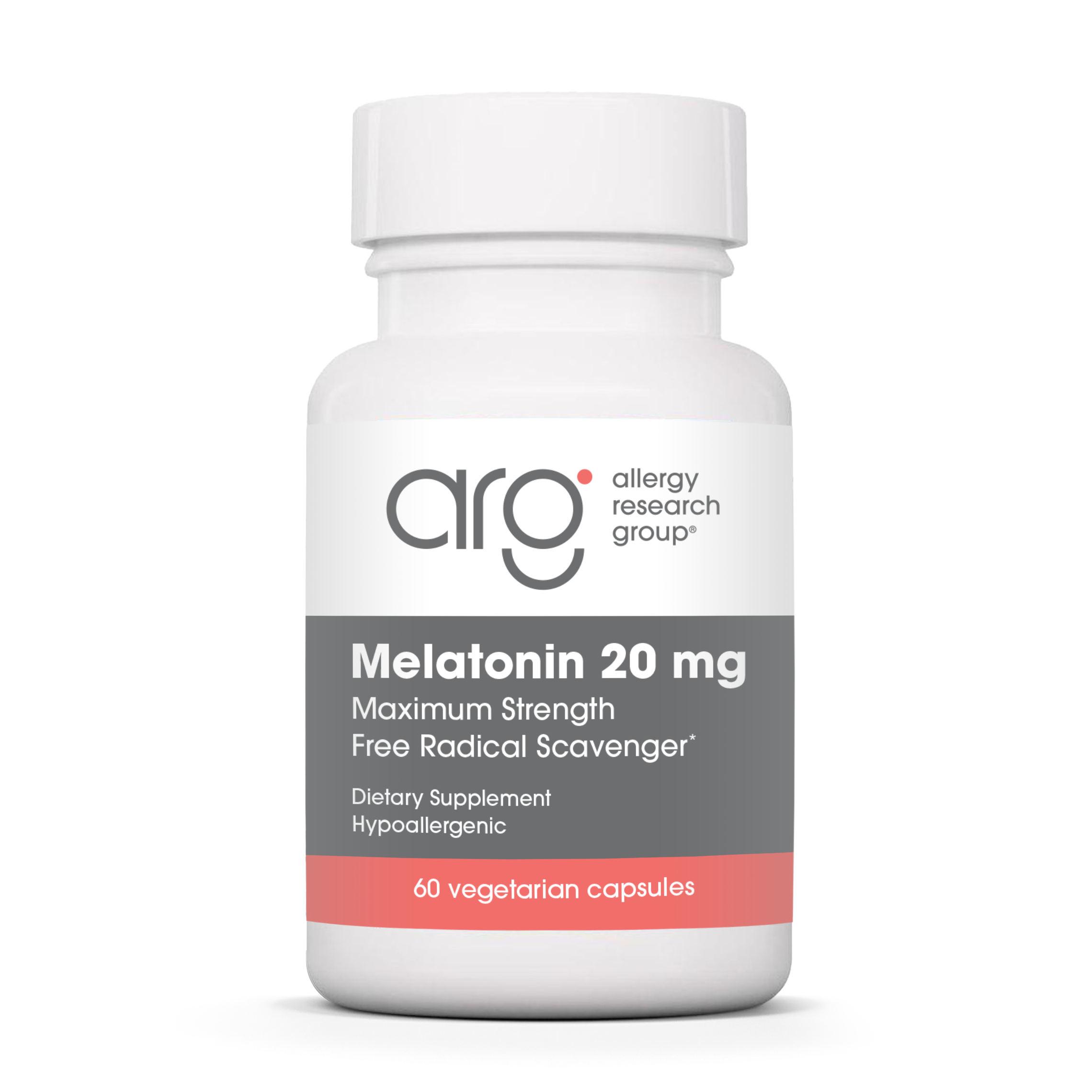
This is a 20mg **Melatonin** capsule for sleep, but that dose runs about four times above the well-studied 0.5–5mg range — and roughly 10 to 40 times what most sleep-onset research actually uses. Melatonin works as a circadian timing signal, not a sedative, so more isn't more effective: at 0.5–3mg you get the same or better help falling asleep, while a dose this size more often brings next-day grogginess, vivid dreams, and headaches.
Taken half an hour to an hour before bed, a 20mg amount like this is really only relevant to narrow, practitioner-directed situations, not everyday sleep. If your goal is simply falling asleep faster, you'd do better starting far lower, then sizing up only if you need to, since most people never have to climb anywhere near 20mg.
BioStacks
Best for
Ingredients (1)
Melatonin
100%Dose
20 mg
Target
0.5–5 mg
Form
—
Other Ingredients (2)
Hypoallergenic Plant FiberFiller
Plant-derived cellulose fiber used as a hypoallergenic filler, common in Thorne and Pure Encapsulations products
Capsule ShellCapsule
Generic capsule shell where the label does not specify the material. Common materials are hypromellose (HPMC) for vegetarian capsules and gelatin for traditional capsules — both are GRAS-listed and safe. Fish gelatin and pullulan variants also exist.
How to Take It
Best taken in the evening
Take 30–60 minutes before bed. It's a circadian signal, not a daytime supplement.
With or without food
On the label
As a dietary supplement, take 1 capsule daily, 1/2 to 1 hour before bedtime.
General guidance based on the ingredients, not a substitute for the label or your doctor.
Price Check
$96.00
Pricier than 99% of 203 melatonin supplements
Track this supplement in your stack
Get personalized insights, interactions, and coverage recommendations.
Get Started FreeSimilar Supplements
Sources & Scoring
Nutrient data (RDA, UL, and safety thresholds) sourced from the NIH Office of Dietary Supplements and the National Academies Dietary Reference Intakes (DRI).
This is not medical advice. Consult a healthcare provider before making changes to your supplement routine.
The score analyzes what's on the label: ingredient doses vs. studied ranges, chemical forms, evidence levels, and known interactions. It does not verify label accuracy or test for contaminants — for that, look for third-party certifications like USP or NSF.