BioStacksAsk AI about this product
What it does
A combination of 2 label ingredients.
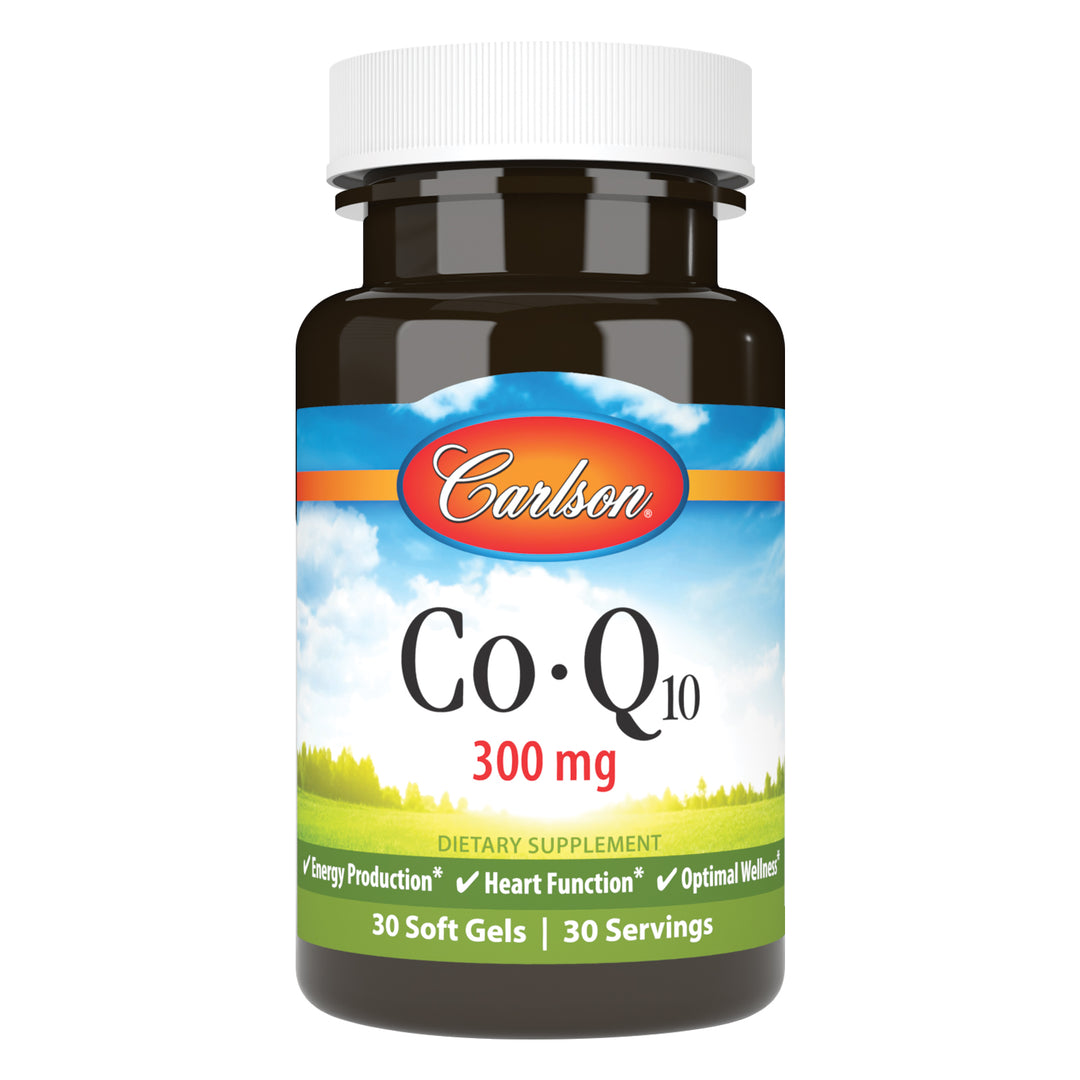
Coenzyme Q10
ubiquinolPremium
Supports cellular energy production; supplement benefits depend on the condition and are not an automatic energy boost.
Vitamin E
Mixed formsGrade —
Helps protect cells from oxidative damage and supports normal immune function.
Ingredients (2)
Other ingredients
Polysorbate 80Emulsifier
Chassaing et al. 2015 (Nature, PMID 25731162) tested polysorbate 80 directly and showed it thinned the gut mucus barrier, altered microbiota composition, and induced low-grade inflammation and metabolic syndrome in mice. The strongest human evidence is for a related emulsifier rather than polysorbate 80 itself: Chassaing 2022 (Gastroenterology, PMID 34774538) was a controlled human feeding RCT of carboxymethylcellulose (CMC) that found microbial encroachment into the mucus layer — polysorbate 80 has not been tested in an equivalent human trial. In vitro work (e.g. Roberts 2010) shows polysorbate 80 enhances bacterial translocation across intestinal epithelium, and observational data link overall dietary-emulsifier exposure to IBD risk. EFSA is mid re-evaluation of polysorbates (E432–E436). For a supplement excipient with purely cosmetic function (improving the look/texture of soft gels and liquids), the gut-barrier risk profile is unfavorable when safer alternatives (sunflower lecithin, MCT carriers, gum acacia) are widely available.
Medium Chain Triglyceride OilCarrier
Fractionated oils rich in C8/C10 triglycerides used as neutral carrier or anti-sticking agent
GelatinCapsule
Protein derived from collagen, used in traditional capsule shells
GlycerinHumectant
Sweet-tasting liquid used in soft capsules and liquids
GlycerinHumectant
Sweet-tasting liquid used in soft capsules and liquids
Lab testing
How to take it
With a meal containing fat
On the label
As a dietary supplement, take 1 Caplique Capsule daily, with a meal, or as directed by a health professional.
Price check
$122.00
$2.03 / serving
Pricier than 97% of 146 vitamin E supplements
Similar products


Sources & Scoring
Nutrient data (RDA, UL, and safety thresholds) sourced from the NIH Office of Dietary Supplements and the National Academies Dietary Reference Intakes (DRI).
This is not medical advice. Consult a healthcare provider before making changes to your supplement routine.
The score analyzes what's on the label: ingredient doses vs. studied ranges, chemical forms, evidence levels, and known interactions. It does not verify label accuracy or test for contaminants — for that, look for third-party certifications like USP or NSF.
Not medical advice. Consult your healthcare professional.