BioStacks
Best for
Ingredients (2)
Coenzyme Q10
60%Dose/day
60 mg
Target
100–300 mg
Form
—
Phospholipids
8%Dose/day
100 mg
Target
1200–2400 mg
Form
Budget
Other Ingredients (5)
Denatured AlcoholSolvent
At higher topical levels it can dry and irritate skin and disrupt the skin barrier with repeated use.
Natural FlavorsFlavor
Broad regulatory category of flavor constituents derived from natural sources. Composition is proprietary and not disclosed — 'Natural Flavors' can include several hundred different compounds depending on the target flavor profile, including hexane-extracted constituents and proprietary carrier solvents. 'Natural' is a regulatory definition (21 CFR §101.22), not a safety guarantee.
GlycerinHumectant
Sweet-tasting liquid used in soft capsules and liquids
Mixed TocopherolsAntioxidant
Natural vitamin E used as preservative
Purified WaterSolvent
Water meeting USP specifications used as solvent/vehicle in gummies and liquids
How to Take It
Take it anytime
Fat-soluble — absorbs far better with a fat-containing meal. Time of day doesn't matter.
With a meal containing fat
Split into 2 doses across the day
On the label
Take 2 pumps by mouth twice daily. Hold in mouth 30 seconds before swallowing. Repeat to desired dosage or as directed by a healthcare professional. Take on an empty stomach, at least 10 minutes before meals. If pregnant, consult physician before use.
The label says to take it on an empty stomach, but what's in this absorbs poorly without dietary fat. Take it with a meal that has some.
General guidance based on the ingredients, not a substitute for the label or your doctor.
Price Check
$44.95
Pricier than 70% of 223 coenzyme Q10 supplements
Track this supplement in your stack
Get personalized insights, interactions, and coverage recommendations.
Get Started FreeSimilar Supplements
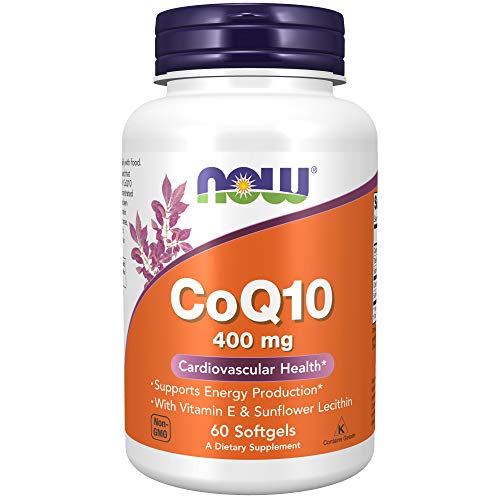
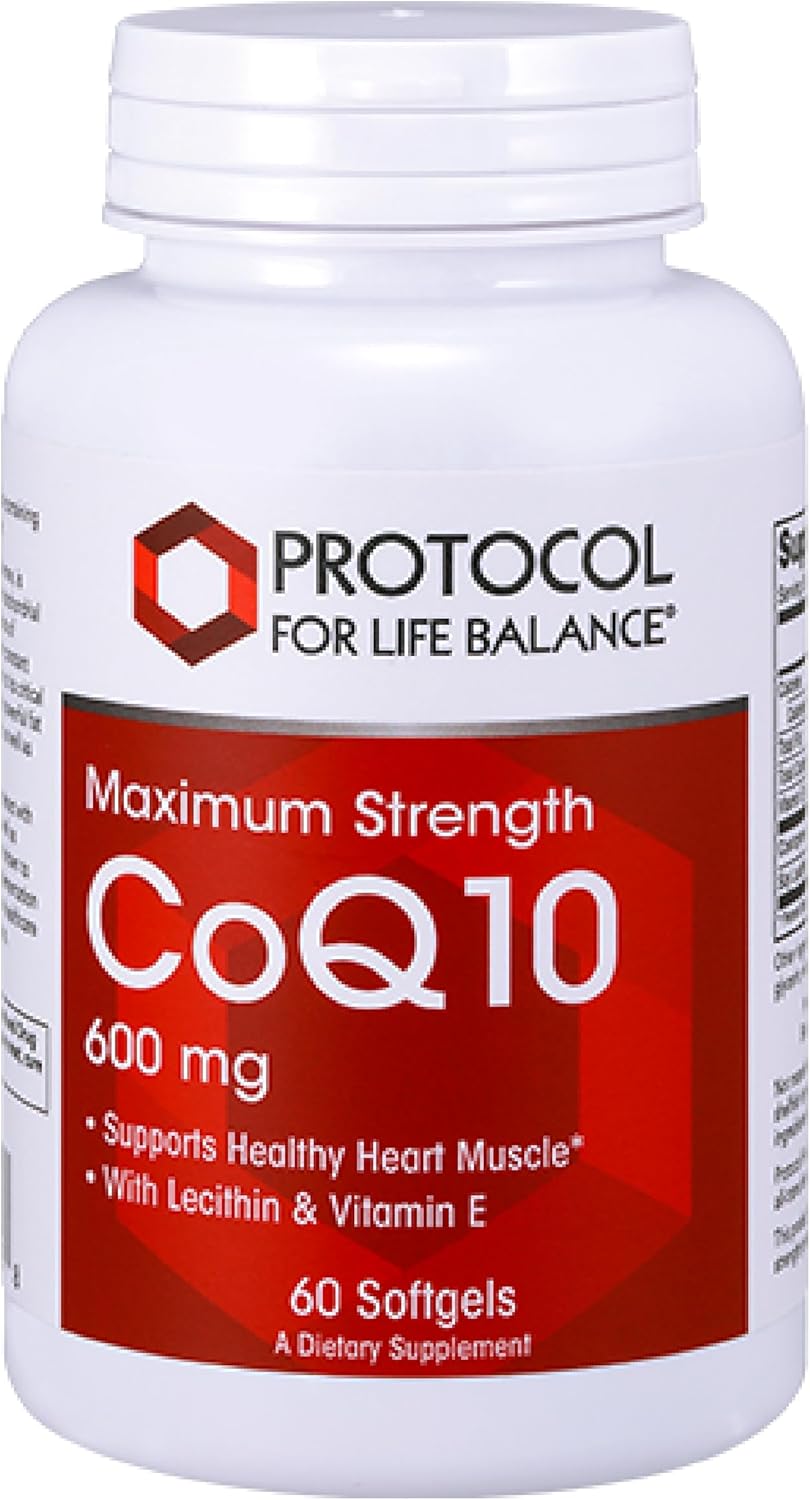
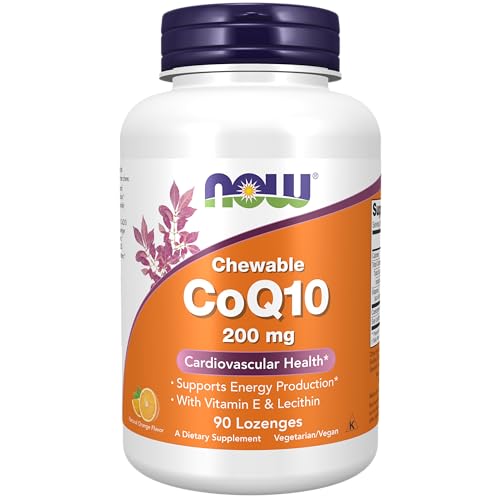
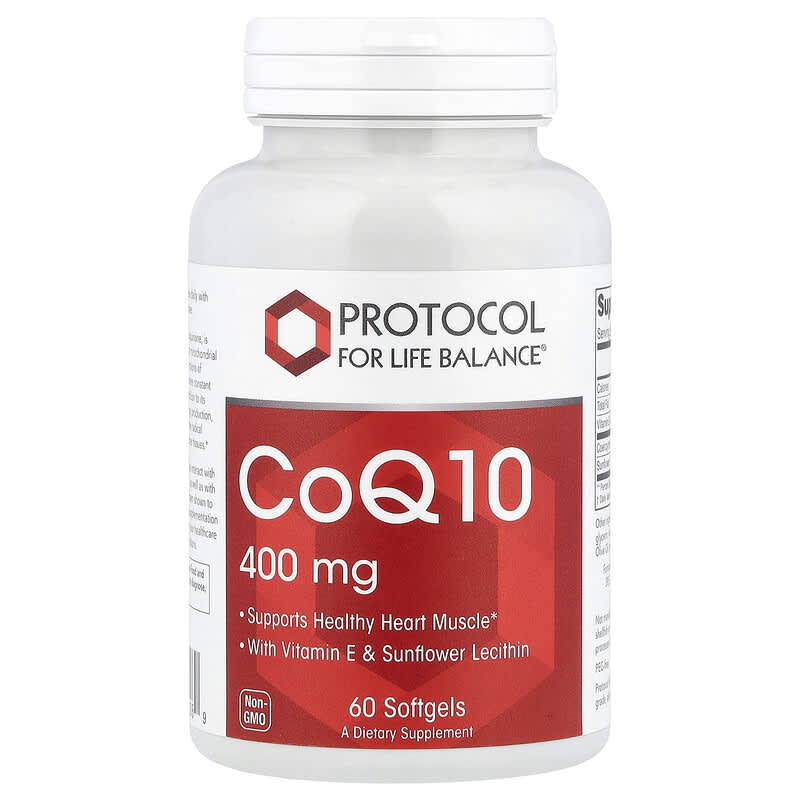
Sources & Scoring
Nutrient data (RDA, UL, and safety thresholds) sourced from the NIH Office of Dietary Supplements and the National Academies Dietary Reference Intakes (DRI).
This is not medical advice. Consult a healthcare provider before making changes to your supplement routine.
The score analyzes what's on the label: ingredient doses vs. studied ranges, chemical forms, evidence levels, and known interactions. It does not verify label accuracy or test for contaminants — for that, look for third-party certifications like USP or NSF.