What it does
The product name and ingredient list do not agree; purpose cannot be confirmed.
Potassium
Form not confirmedGrade —
Label lists Potassium (170 mg). Benefit information is limited.
Glutamine
Form not confirmedGrade —
Label lists L-Glutamine (2500 mg). Benefit information is limited.
Ingredients (7)
Other ingredients
SucraloseSweetener
Dose context matters. As a trace excipient in a tablet coating or capsule, the amount is minimal and not a meaningful concern. The evidence below applies to the gram-level intakes typical of sweetened protein powders, pre-workouts, and drink mixes: a 2022 human trial (Suez et al., Cell) showed sucralose disrupts gut bacteria and worsens blood sugar control in healthy adults, and a 2023 study (Schiffman et al.) found that sucralose-6-acetate — a compound formed when sucralose is digested — was genotoxic to human cells in vitro. It remains an artificial sweetener with no nutritional purpose.
Acesulfame PotassiumSweetener
Older NTP rodent studies (1980s, contested) reported lymphoma and leukemia at very high chronic doses; modern reviews (FDA 2003, EFSA 2000) concluded no cancer risk at human exposure levels but the issue is not fully resolved (Mishra 2020 review). Animal evidence suggests gut microbiome disruption (Bian 2017 — male mice on Ace-K showed altered microbiota and metabolic markers). Manufacturing uses methylene chloride, with potential residue concerns. Purely cosmetic additive — risk:benefit unfavorable for supplements.
Artificial FlavorsFlavor
Composition is proprietary and not disclosed on the label, so allergens or solvents cannot be verified. Naturally flavored alternatives are more transparent.
Beta-Carotene (color)Color
Beta-carotene used in small amounts as a colorant/antioxidant.
PolydextroseFiller
A synthetic soluble fiber/bulking agent made from glucose
Fruit Juice (unspecified)Colorant
Juice or juice concentrate used primarily for natural color and flavor in gummies
Citric AcidAcidulant
Natural acid derived from citrus fruits
Malic AcidAcidulant
Naturally occurring organic acid found in apples, used as a flavor enhancer and acidulant in supplements
Lab testing
How to take it
With food
Glutamine does better on an empty stomach, but something else in this bottle needs food. Taking the whole product with a meal is the better trade — an upset stomach is why most people stop.
On the label
As a dietary supplement, mix each scoop in 10-14 fl. oz. of water (adjust for taste preference) and shake well. On training days, consume 1 scoop during exercise and 1 scoop after exercise. On non-training days, consume 2 scoops throughout the day. For best results, use two scoops per day.
Price check
$23.77
$0.79 / serving
Cheaper than 83% of 118 hydration supplements
Similar products
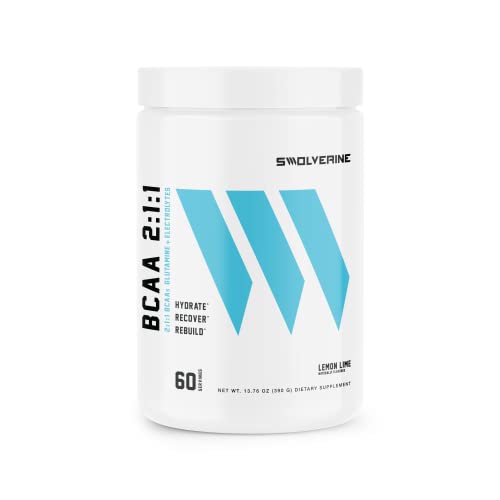
Swolverine
BCAA Lemon Lime
💪 for Muscle
39
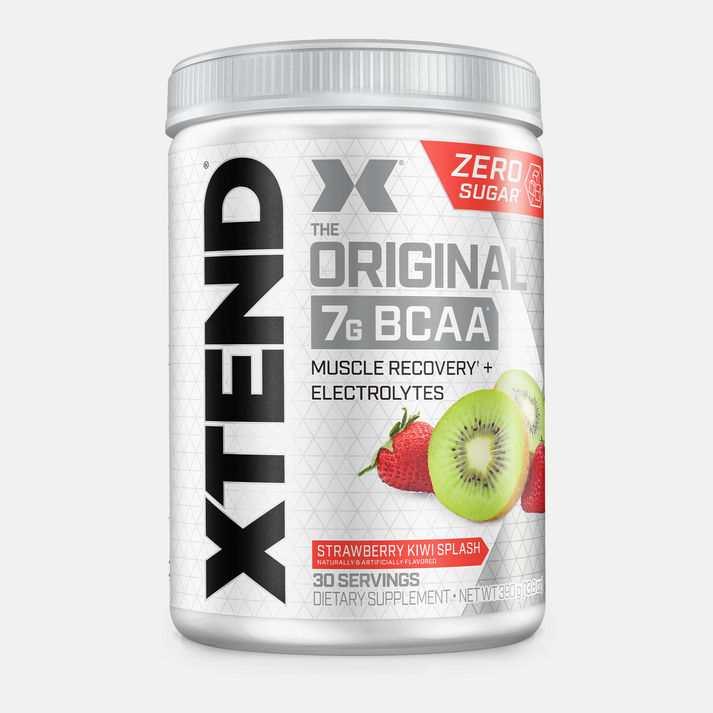
Scivation XTEND
Original BCAA Powder (Strawberry Kiwi Splash)
💧 for Hydration
37
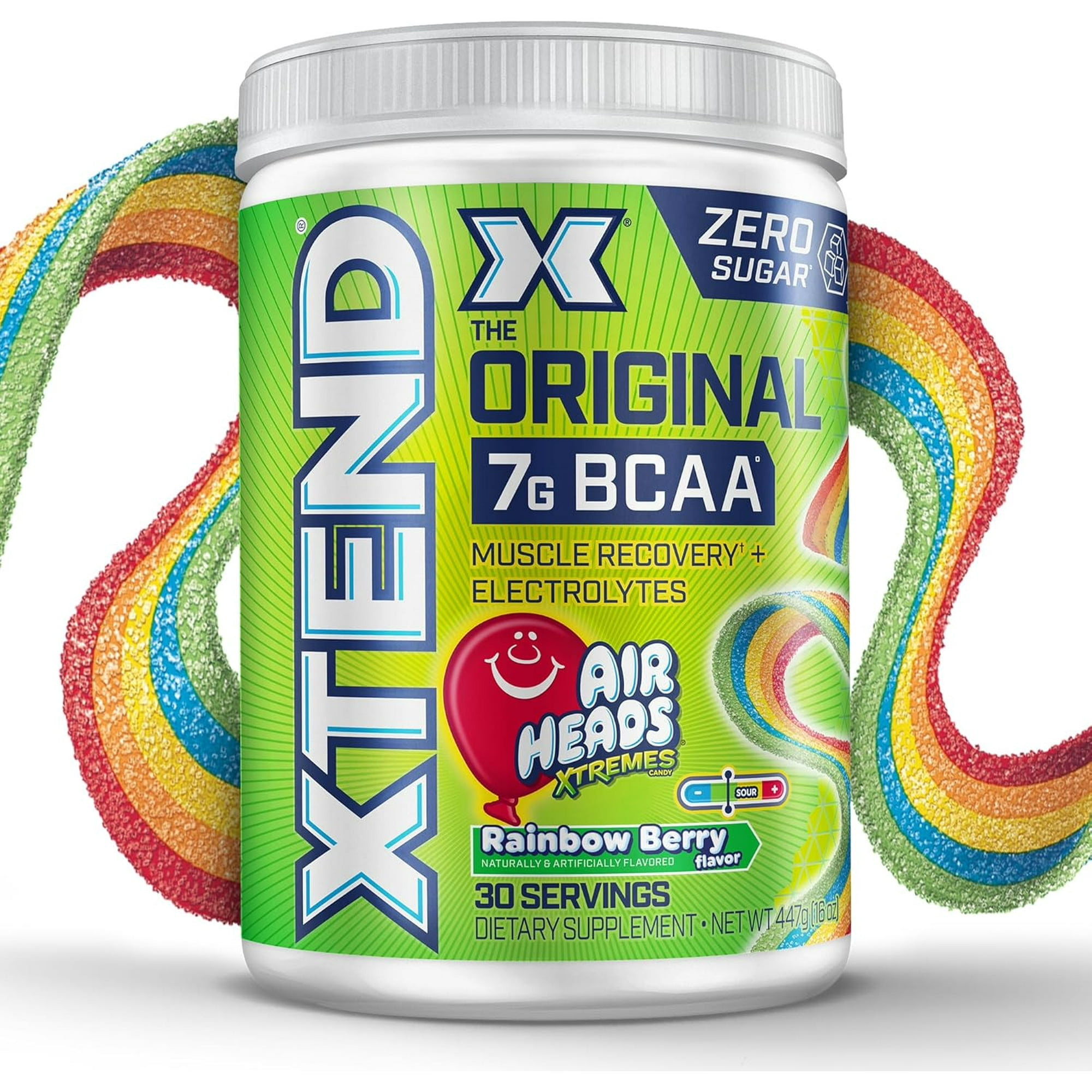
Scivation XTEND
The Original BCAA (Rainbow Berry)
💧 for Hydration
31
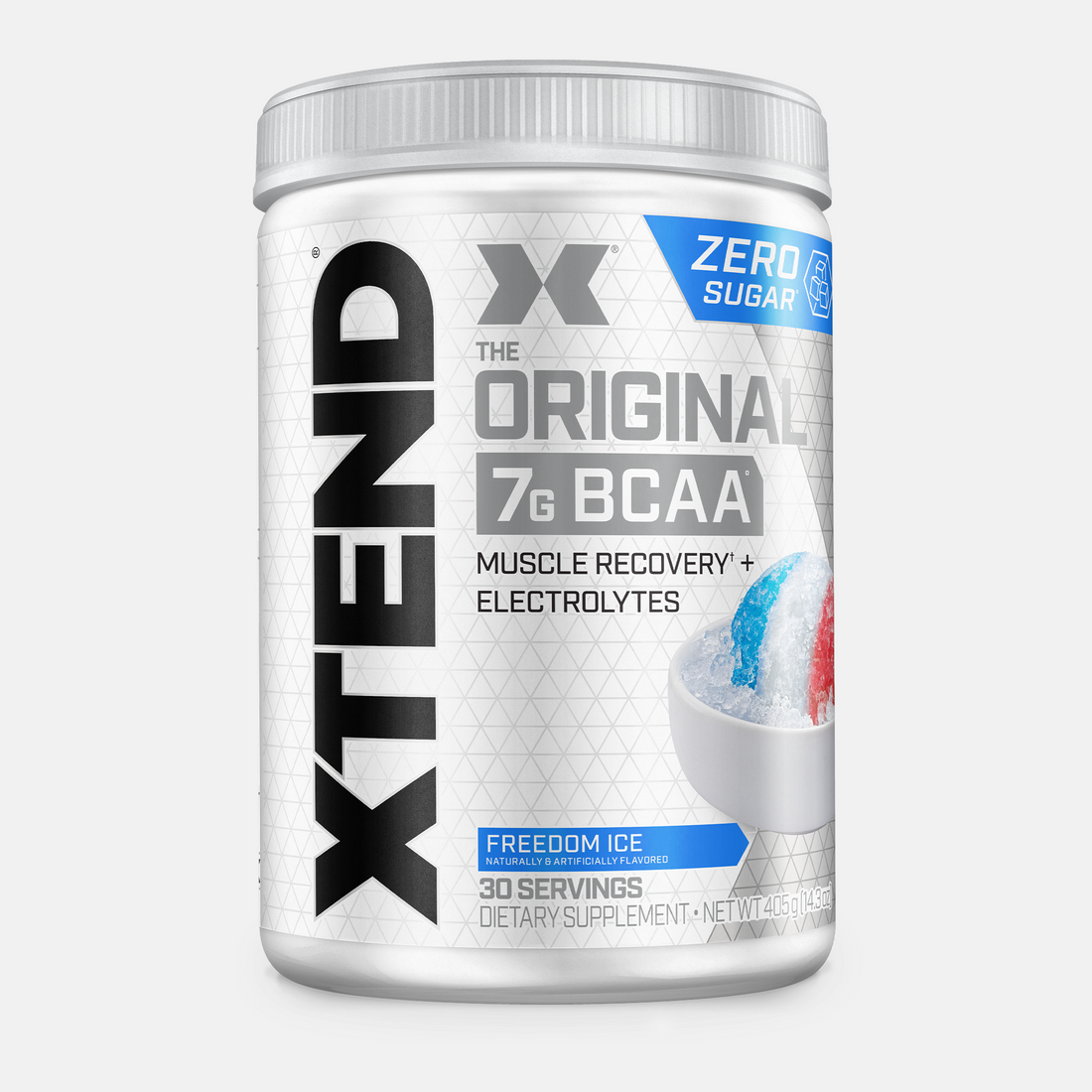
Scivation XTEND
Original BCAA Powder (Freedom Ice)
💧 for Hydration
29
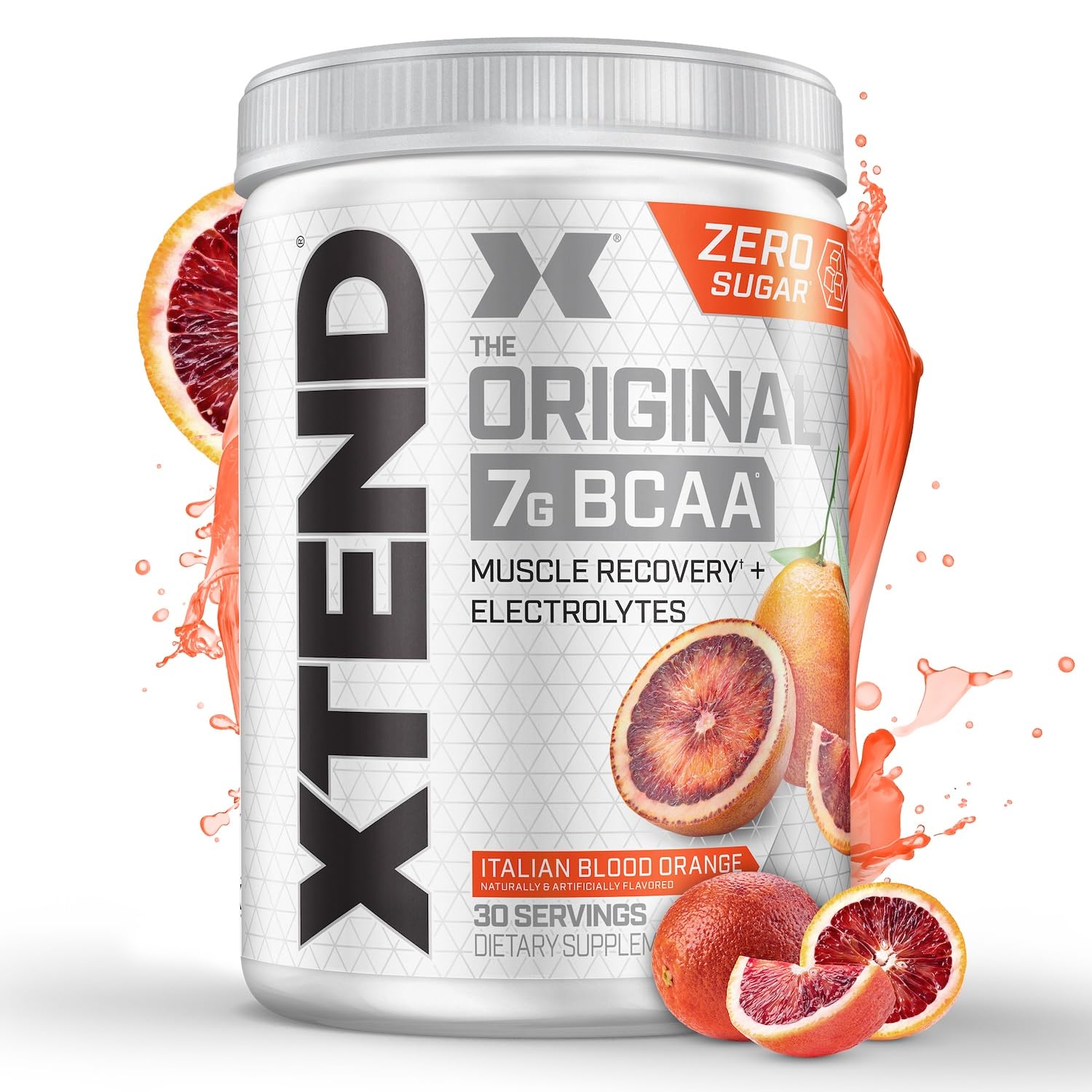
Scivation XTEND
Original BCAA Powder (Italian Blood Orange)
💧 for Hydration
29
Sources & Scoring
Nutrient data (RDA, UL, and safety thresholds) sourced from the NIH Office of Dietary Supplements and the National Academies Dietary Reference Intakes (DRI).
This is not medical advice. Consult a healthcare provider before making changes to your supplement routine.
The score analyzes what's on the label: ingredient doses vs. studied ranges, chemical forms, evidence levels, and known interactions. It does not verify label accuracy or test for contaminants — for that, look for third-party certifications like USP or NSF.
Not medical advice. Consult your healthcare professional.