BioStacks
Best for
Ingredients (20)
Vitamin B6
8%Dose
2 mg
Target
25–100 mg
Form
—
Biotin
5%Dose
45 mcg
Target
1000–5000 mcg
Form
—
Omega-9
100%Dose
11 mg
Target
0–0 mg
Form
—
Vitamin D
100%Dose
2000 IU
Target
1000–5000 IU
Form
Not listed
Vitamin C
100%Dose
45 mg
Target
25–200 mg
Form
Not listed
Nutrition
Calories, macros & sodium.
- Sodium15 mg
Other Ingredients (14)
AlluloseSweetener
Rare sugar (D-psicose), naturally found in trace amounts in figs, raisins, and wheat. ~70% sweetness of sucrose. Absorbed but not metabolized — excreted ~70% unchanged in urine. FDA permits exclusion from 'added sugars' labeling.
InulinFiller
Prebiotic soluble fiber from chicory root, used as a filler and flow agent in capsules and tablets
Natural FlavorsFlavor
Broad regulatory category of flavor constituents derived from natural sources. Composition is proprietary and not disclosed — 'Natural Flavors' can include several hundred different compounds depending on the target flavor profile, including hexane-extracted constituents and proprietary carrier solvents. 'Natural' is a regulatory definition (21 CFR §101.22), not a safety guarantee.
AnnattoColorant
Natural yellow-orange colorant derived from the seeds of the achiote tree (Bixa orellana)
Tapioca FiberFiber
Soluble fiber derived from tapioca, used as a bulking agent and prebiotic fiber filler
Citric AcidAcidulant
Natural acid derived from citrus fruits
Mixed TocopherolsAntioxidant
Natural vitamin E used as preservative
Monk Fruit ExtractSweetener
Zero-calorie natural sweetener derived from the monk fruit (Siraitia grosvenorii)
How to Take It
Take it anytime
No evidence a formula this broad works better at any particular hour. Take it with a meal containing fat — the vitamins A, D, E and K in it absorb poorly without one.
With a meal containing fat
Space it a couple of hours from Iron and Calcium
On the label
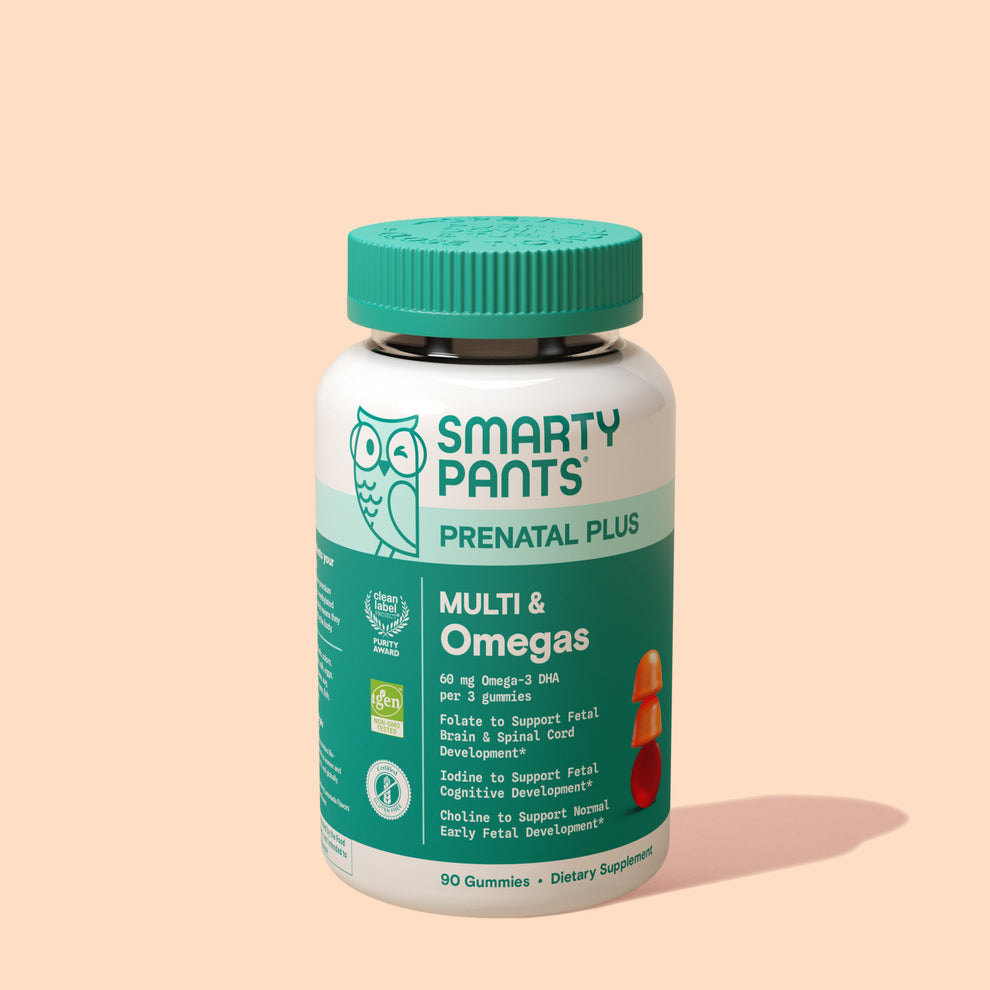
Adult women, take 3 gummies daily. May be taken with or without food.
General guidance based on the ingredients, not a substitute for the label or your doctor.
Price Check
$32.99
Near the median of 798 multivitamins
Track this supplement in your stack
Get personalized insights, interactions, and coverage recommendations.
Get Started FreeSimilar Supplements
Sources & Scoring
Nutrient data (RDA, UL, and safety thresholds) sourced from the NIH Office of Dietary Supplements and the National Academies Dietary Reference Intakes (DRI).
This is not medical advice. Consult a healthcare provider before making changes to your supplement routine.
The score analyzes what's on the label: ingredient doses vs. studied ranges, chemical forms, evidence levels, and known interactions. It does not verify label accuracy or test for contaminants — for that, look for third-party certifications like USP or NSF.