BioStacks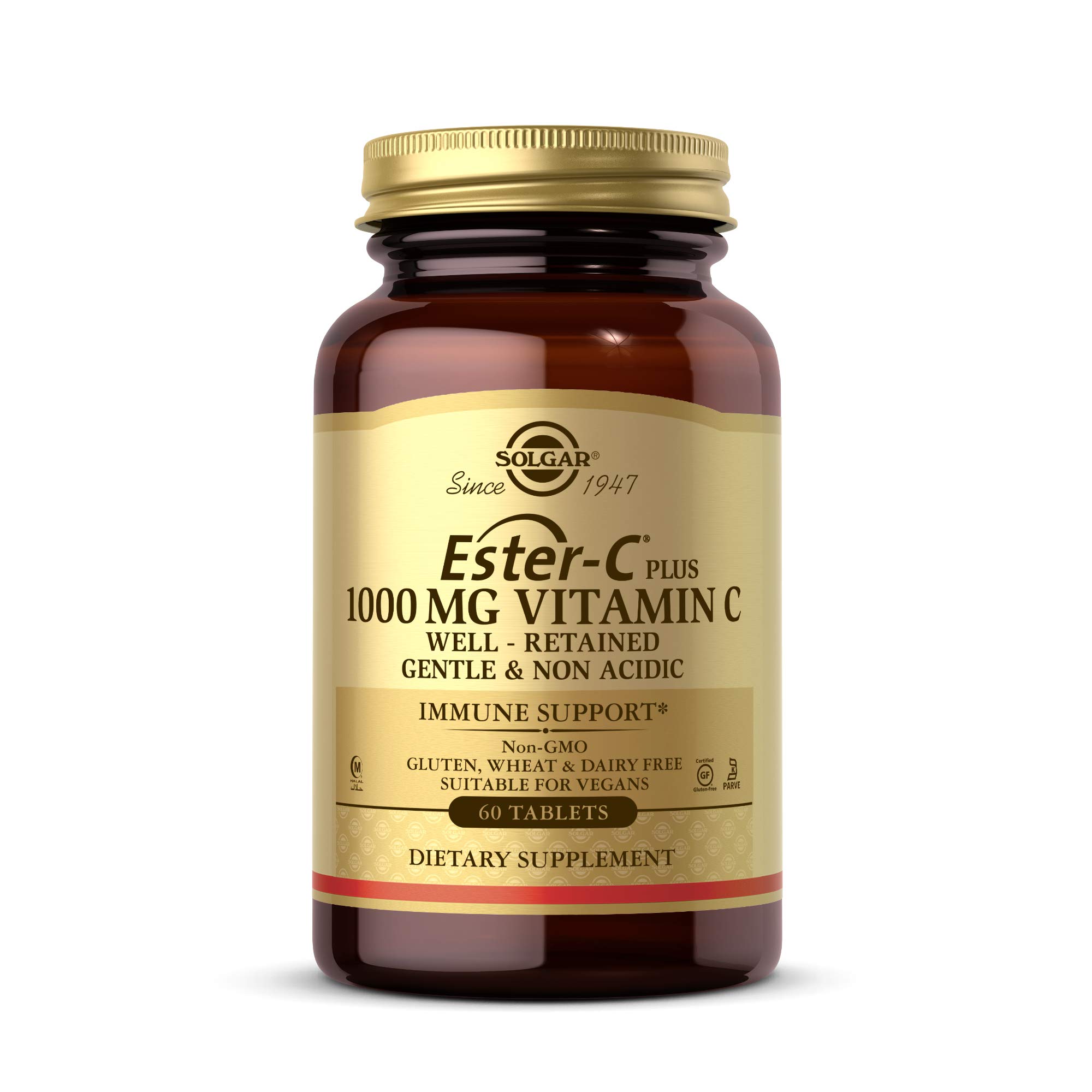
Best for
Ingredients (5)
Vitamin C
100%Dose
500 mg
Target
250–2000 mg
Form
Standard
Acerola Cherry
15%Dose
15 mg
Target
100–500 mg
Form
—
Bioflavonoid Concentrate
8%Dose
20 mg
Target
250–1000 mg
Form
—
Rose Hips
1%Dose
15 mg
Target
2500–5000 mg
Form
—
Calcium
16 mgTrace amount — not scored
Other Ingredients (10)
FructoseSweetener
Added free fructose is metabolized in the liver and at habitual intake is linked to elevated triglycerides, hepatic fat accumulation, and insulin resistance; an avoidable sugar load with no supplement benefit.
MaltodextrinBinder
Spikes blood sugar faster than table sugar (glycemic index 85–105). Research links it to gut bacteria changes that may promote intestinal inflammation (Nickerson et al. 2015). Used as a cheap filler — adds nothing beneficial.
Blackstrap MolassesSweetener
High sugar content. High glycemic index. Can spike blood sugar. Used as a cheap filler — adds calories without meaningful supplemental benefit in typical amounts. May contain acrylamide from processing.
Wildflower HoneySweetener
A natural sweetener and humectant produced by bees, used in syrups and lozenges
Fruit Juice (unspecified)Colorant
Juice or juice concentrate used primarily for natural color and flavor in gummies
Silicon DioxideAnti-caking
Fine silica powder used to prevent clumping
Microcrystalline CelluloseBinder
Plant-derived cellulose used as a binder and filler in supplements
Natural Tangerine FlavorFlavor
A natural flavoring derived from tangerine to mask supplement taste
How to Take It
Take it anytime
Water-soluble — timing doesn't matter. Split doses above ~500 mg if you want to absorb more of it.
With or without food
On the label
Take one chewable tablet daily. Store in a cool, dry place.
General guidance based on the ingredients, not a substitute for the label or your doctor.
Price Check
$16.69
Near the median of 375 vitamin C supplements
Track this supplement in your stack
Get personalized insights, interactions, and coverage recommendations.
Get Started FreeSimilar Supplements
Solgar
Ester-C Plus 1000 mg Vitamin C Tablets (Ester-C® Ascorbate Complex)
🛡️ for Immune
59
Solgar
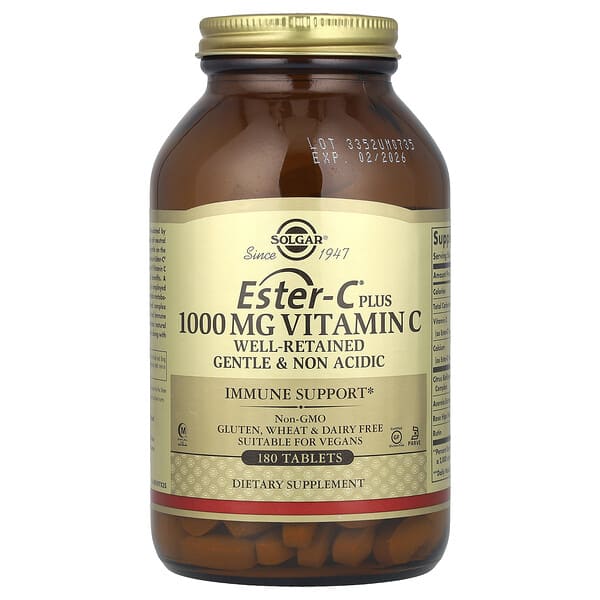
Ester-C® Plus, Vitamin C, 1,000 mg
🛡️ for Immune
59
NaturesPlus
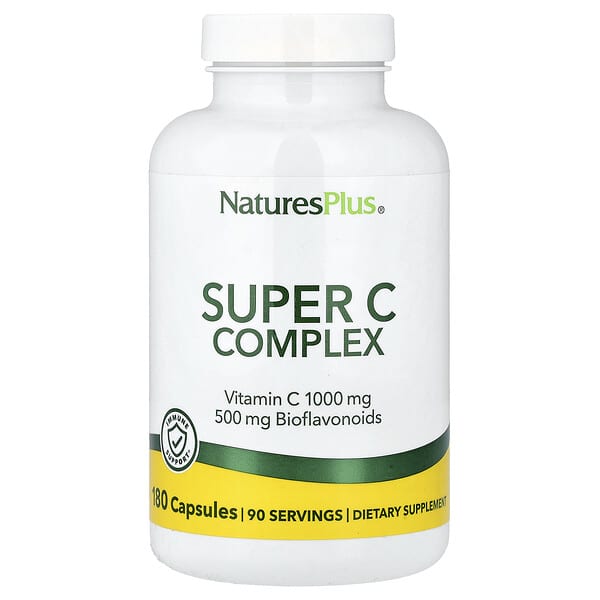
Super C Complex
🛡️ for Immune
41
Country Life
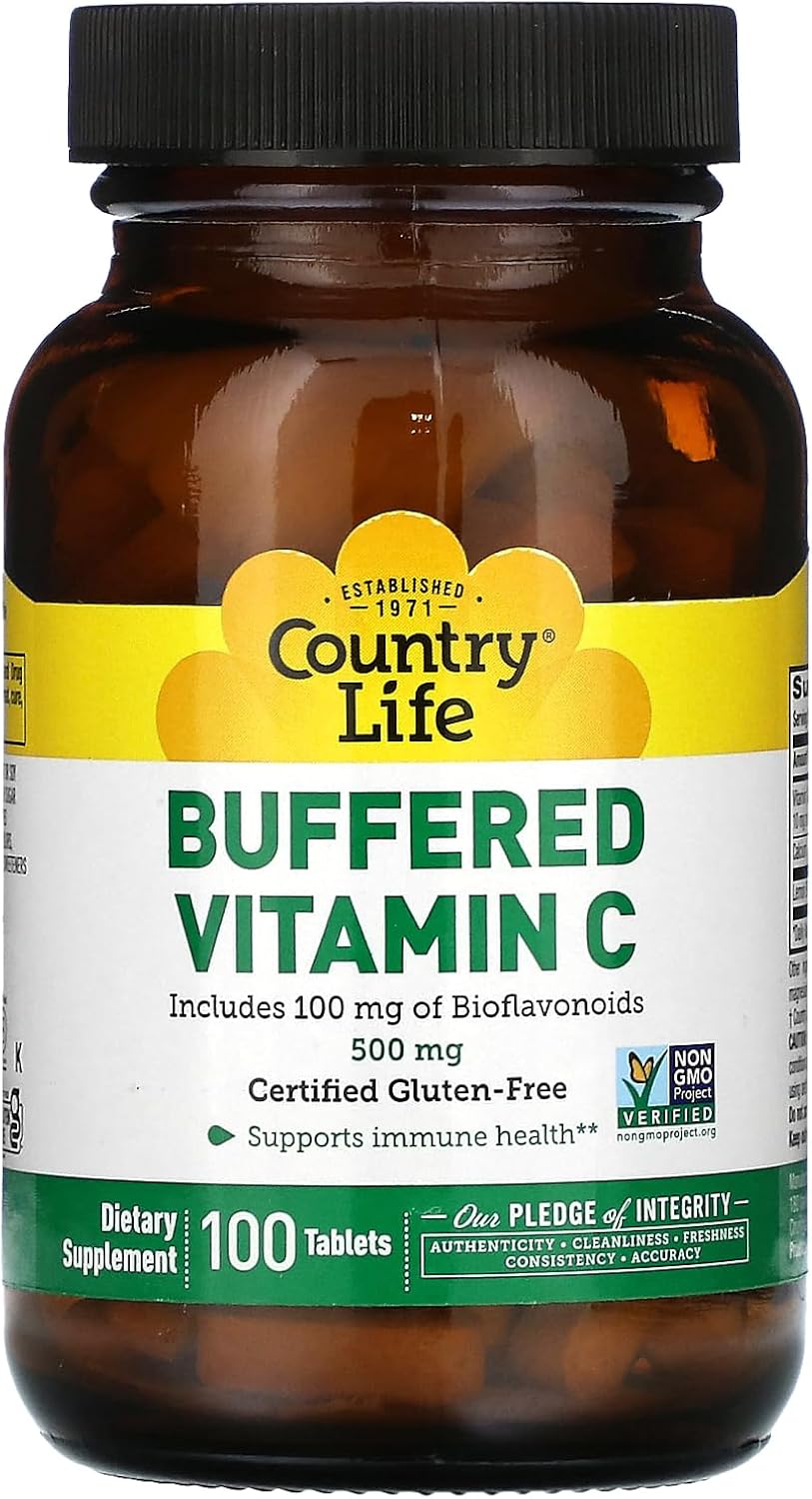
Buffered Vitamin C 500 mg
🛡️ for Immune
40
Solgar
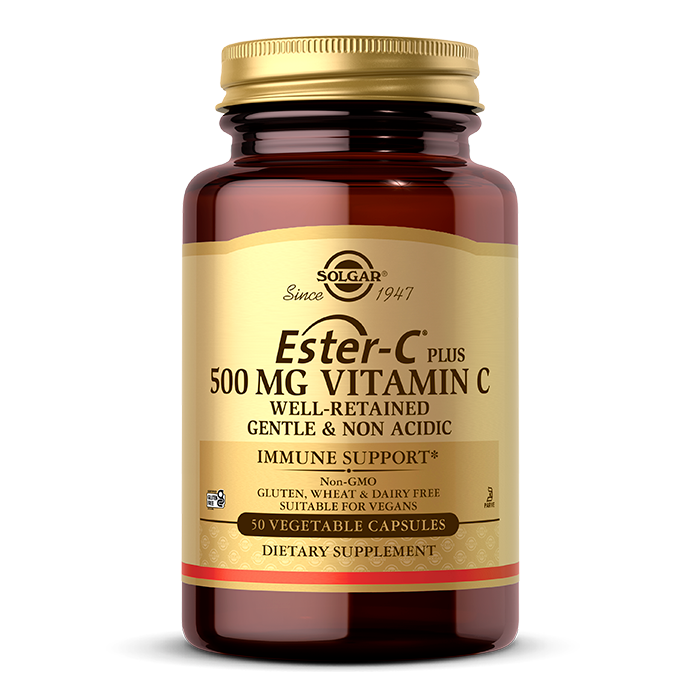
Ester-C Plus 500 mg Vitamin C Vegetable Capsules
🛡️ for Immune
77
Sources & Scoring
Nutrient data (RDA, UL, and safety thresholds) sourced from the NIH Office of Dietary Supplements and the National Academies Dietary Reference Intakes (DRI).
This is not medical advice. Consult a healthcare provider before making changes to your supplement routine.
The score analyzes what's on the label: ingredient doses vs. studied ranges, chemical forms, evidence levels, and known interactions. It does not verify label accuracy or test for contaminants — for that, look for third-party certifications like USP or NSF.