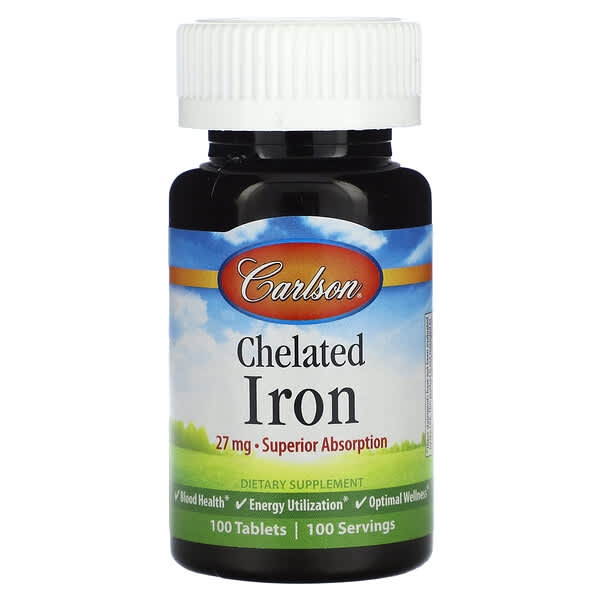
**Iron** at 25mg per capsule, delivered in a gentle, well-absorbed bisglycinate form — landing in the 15–45mg range clinical work uses to maintain levels and correct deficiency. This bisglycinate chelate (Ferrochel) absorbs far more readily than standard iron salts and is much easier on your gut, with far less of the constipation and nausea that make iron pills miserable.
To get the most from it, take the capsule with a meal plus a source of vitamin C, and keep it away from coffee, tea, and calcium, which all blunt absorption.
One caveat matters more than the dose: iron is the one mineral you shouldn't take just in case. Only supplement if you're genuinely low — menstruating women, pregnancy, or a diagnosed deficiency — because excess iron builds up and turns harmful. And since iron is a leading cause of poisoning in young children, keep it well out of their reach.
BioStacks
Other Ingredients (3)
Magnesium StearateLubricant
A salt of stearic acid used as a lubricant in tablet and capsule production
Microcrystalline CelluloseBinder
Plant-derived cellulose used as a binder and filler in supplements
Microcrystalline CelluloseBinder
Plant-derived cellulose used as a binder and filler in supplements
How to Take It
Best taken in the morning
Bisglycinate is the gentle form — most people tolerate it on an empty stomach, which is exactly where it absorbs best. Vitamin C may help absorption.
On an empty stomach
Keep it away from coffee, tea and dairy
Space it a couple of hours from Calcium, Zinc, Magnesium, Manganese and Green Tea Leaf Extract
On the label
Suggested Use: As a dietary supplement for adults, take one (1) vegetable capsule daily, preferably with a meal or as directed by a healthcare practitioner.
Labels usually say “with food” because it's gentler on the stomach, not because it absorbs better. Fasted absorbs more — start there, and switch to a light meal if it bothers you.
General guidance based on the ingredients, not a substitute for the label or your doctor.
Price Check
No price yet
What 138 iron supplements cost
Track this supplement in your stack
Get personalized insights, interactions, and coverage recommendations.
Get Started FreeSimilar Supplements
Sources & Scoring
Nutrient data (RDA, UL, and safety thresholds) sourced from the NIH Office of Dietary Supplements and the National Academies Dietary Reference Intakes (DRI).
This is not medical advice. Consult a healthcare provider before making changes to your supplement routine.
The score analyzes what's on the label: ingredient doses vs. studied ranges, chemical forms, evidence levels, and known interactions. It does not verify label accuracy or test for contaminants — for that, look for third-party certifications like USP or NSF.