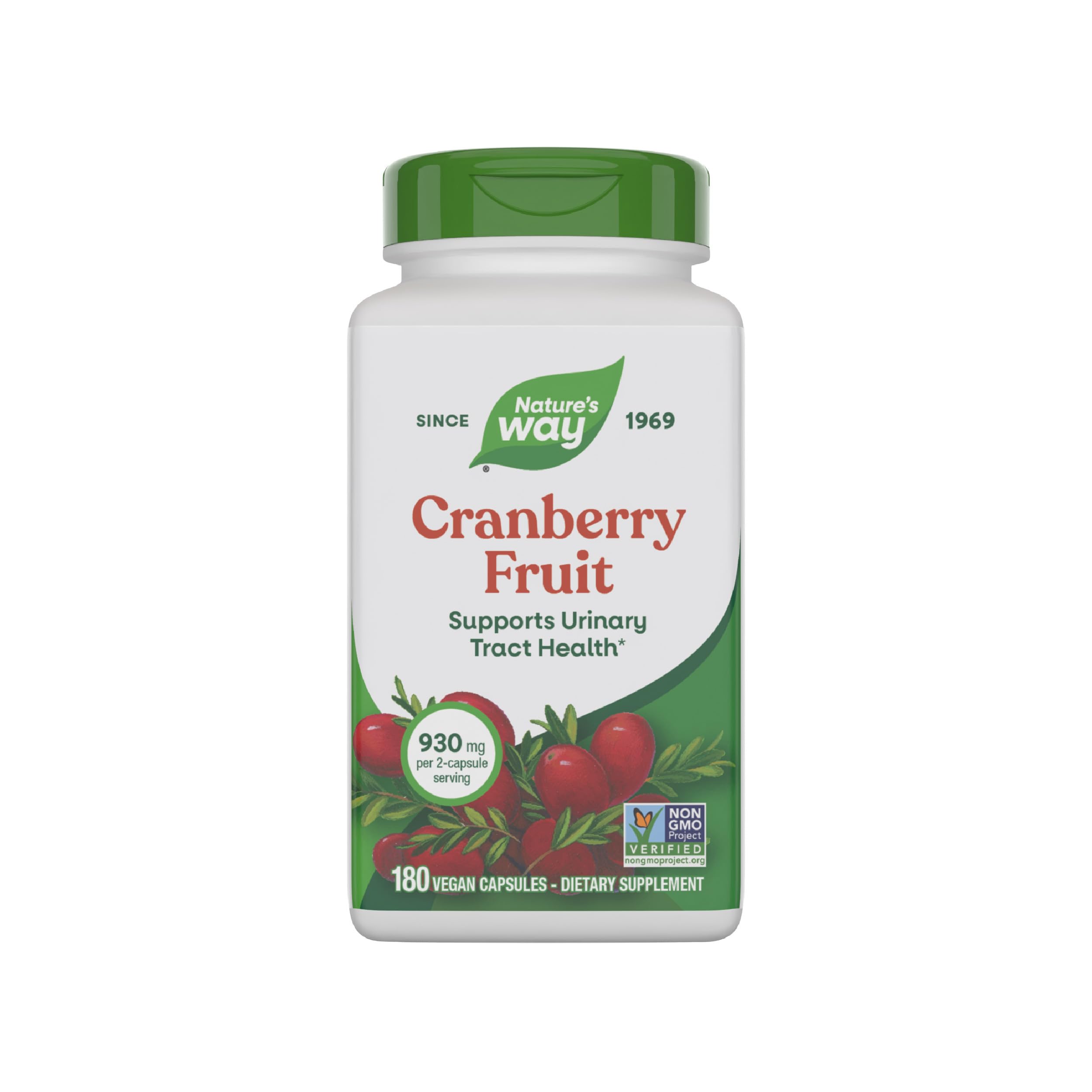
This **cranberry** extract delivers 500mg of Cran-Max per capsule, right at the minimum daily dose studied for lowering your risk of recurrent urinary tract infections if you're prone to them. The active compounds are proanthocyanidins (PACs), which stop bacteria from sticking to the bladder wall — a 2023 Cochrane review backs cranberry for cutting how often recurrent UTIs come back.
The catch is that the clinical effect tracks PAC content, which trials often standardize to around 36mg per day. This label doesn't state the PAC level, so you can't confirm it reaches that threshold, and some studies used higher doses up to 1,500mg.
One thing to be clear on: cranberry here is for prevention, not treatment. It won't clear an active infection — that needs antibiotics from a doctor.
BioStacks
Other Ingredients (3)
Guar GumThickener
Natural thickener derived from guar beans
HypromelloseCapsule
Plant-derived capsule material from cellulose
Sunflower LecithinEmulsifier
Non-GMO, non-allergenic emulsifier derived from sunflower seeds
How to Take It
Take it anytime
Studied as a twice-daily dose — its effect on bacterial adhesion is short-lived, so one big dose isn't equivalent.
With or without food
On the label
As a dietary supplement, take one capsule daily or as directed by a healthcare practitioner.
General guidance based on the ingredients, not a substitute for the label or your doctor.
Price Check
$23.75
Pricier than 74% of 59 cranberry extract supplements
Track this supplement in your stack
Get personalized insights, interactions, and coverage recommendations.
Get Started FreeSimilar Supplements
Sources & Scoring
Nutrient data (RDA, UL, and safety thresholds) sourced from the NIH Office of Dietary Supplements and the National Academies Dietary Reference Intakes (DRI).
This is not medical advice. Consult a healthcare provider before making changes to your supplement routine.
The score analyzes what's on the label: ingredient doses vs. studied ranges, chemical forms, evidence levels, and known interactions. It does not verify label accuracy or test for contaminants — for that, look for third-party certifications like USP or NSF.