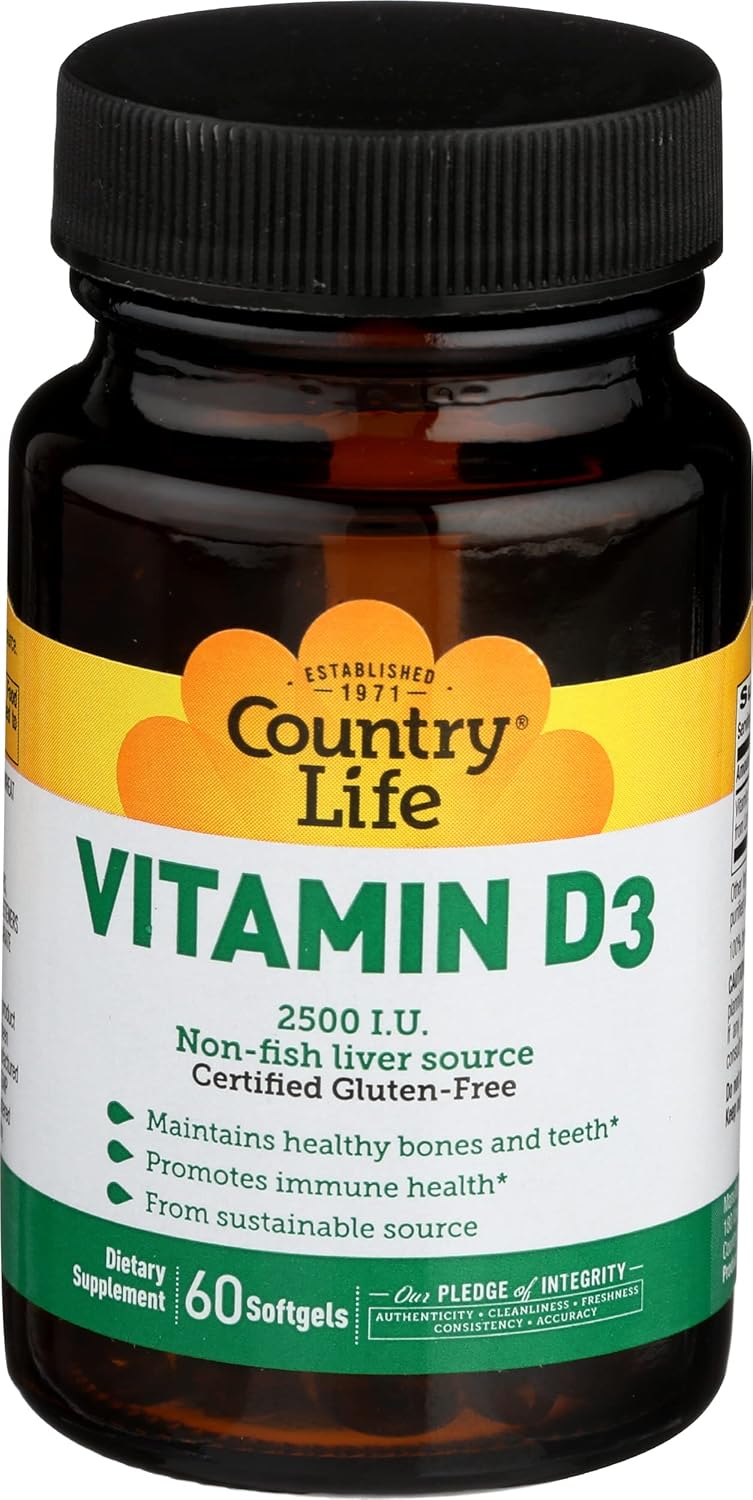
**Vitamin D3** at 5,000 IU in one softgel sits at the very top of the clinically used 1,000–5,000 IU range — a full repletion-level dose for raising low blood levels and supporting bone and immune health. It's cholecalciferol, the form your body uses most efficiently, suspended in flaxseed oil so it absorbs well even without food.
This dose is built for a real gap — diagnosed deficiency, little sun exposure, or darker skin, where 5,000 IU a day actually moves your numbers. Because vitamin D pulls calcium into your body, many people pair a dose this high with vitamin K2 to steer that calcium toward bone rather than arteries.
One caveat: 5,000 IU is above the 4,000 IU daily upper limit, so this isn't a casual top-up. If your levels are already healthy, daily use can push you too high — the label rightly asks you to monitor your blood levels and check with a provider before long-term use.
BioStacks
Other Ingredients (4)
Flaxseed OilCarrier Oil
Flaxseed (linseed) oil, an ALA omega-3 source used as a softgel carrier oil
GelatinCapsule
Protein derived from collagen, used in traditional capsule shells
GlycerinHumectant
Sweet-tasting liquid used in soft capsules and liquids
Purified WaterSolvent
Water meeting USP specifications used as solvent/vehicle in gummies and liquids
How to Take It
Take it anytime
Fat-soluble — take with your largest fat-containing meal. Time of day doesn't matter.
With a meal containing fat
On the label
Suggested use: As a dietary supplement, take one softgel per day with food and water.
General guidance based on the ingredients, not a substitute for the label or your doctor.
Price Check
$9.99
Cheaper than 80% of 552 vitamin D supplements
Track this supplement in your stack
Get personalized insights, interactions, and coverage recommendations.
Get Started FreeSimilar Supplements
Sources & Scoring
Nutrient data (RDA, UL, and safety thresholds) sourced from the NIH Office of Dietary Supplements and the National Academies Dietary Reference Intakes (DRI).
This is not medical advice. Consult a healthcare provider before making changes to your supplement routine.
The score analyzes what's on the label: ingredient doses vs. studied ranges, chemical forms, evidence levels, and known interactions. It does not verify label accuracy or test for contaminants — for that, look for third-party certifications like USP or NSF.