BioStacks
Nutrition
Calories, macros & sodium.
- Sodium35 mg
- Total Carbohydrates1 Gram(s)
- Total Sugars1 Gram(s)
Other Ingredients (15)
Artificial ColorsColorant
May trigger hyperactivity in sensitive children; potential link to allergic reactions
FD&C Red No. 40 LakeColorant
Same petroleum-derived azo dye as Red 40, linked to hyperactivity in children (Southampton study) and carrying an EU warning label; pure cosmetic color with zero benefit.
Artificial ColorsColorant
May trigger hyperactivity in sensitive children; potential link to allergic reactions
Artificial ColorsColorant
May trigger hyperactivity in sensitive children; potential link to allergic reactions
Artificial FlavorsFlavor
Composition is proprietary and not disclosed on the label, so allergens or solvents cannot be verified. Naturally flavored alternatives are more transparent.
AspartameSweetener
Classified by IARC as Group 2B (possibly carcinogenic to humans) in July 2023 based on limited evidence of hepatocellular carcinoma. JECFA simultaneously reaffirmed the 40 mg/kg/day ADI as safe. MANDATORY FDA WARNING: contains phenylalanine — contraindicated in phenylketonuria (PKU). Anecdotal headache/migraine reports in sensitive individuals are documented but mechanism is unclear. The additive is purely cosmetic — risk:benefit unfavorable for any supplement.
SorbitolSweetener
A FODMAP sugar alcohol that may trigger GI discomfort (bloating, gas) in individuals with IBS or sorbitol malabsorption, even at small amounts found in supplements. Avoided in low-FODMAP diets.
SucroseSweetener
Added sugars and high glycemic load; dental caries risk
How to Take It
Take it anytime
Water-soluble — timing doesn't matter. Split doses above ~500 mg if you want to absorb more of it.
With or without food
On the label
Suggested use: Adults, chew one (1) tablet daily with food as a dietary supplement. Do not swallow whole.
General guidance based on the ingredients, not a substitute for the label or your doctor.
Price Check
No price yet
What 375 vitamin C supplements cost
Track this supplement in your stack
Get personalized insights, interactions, and coverage recommendations.
Get Started FreeSimilar Supplements
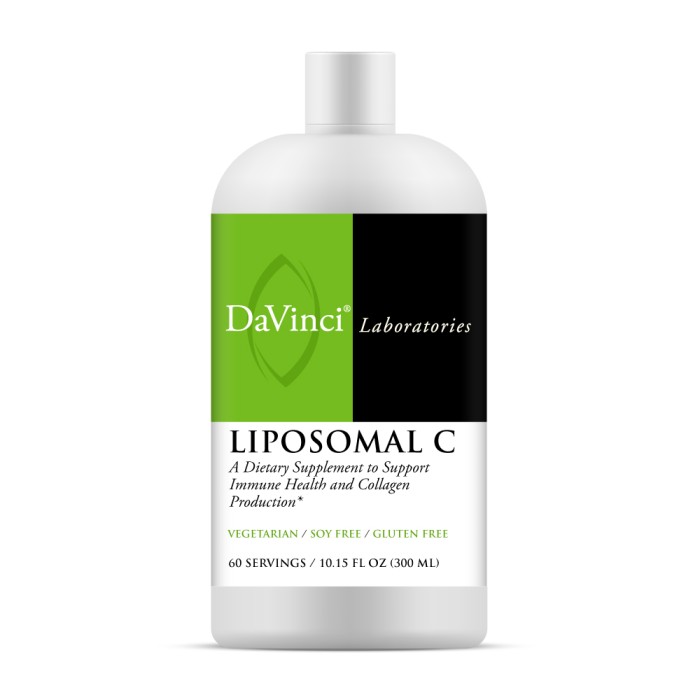
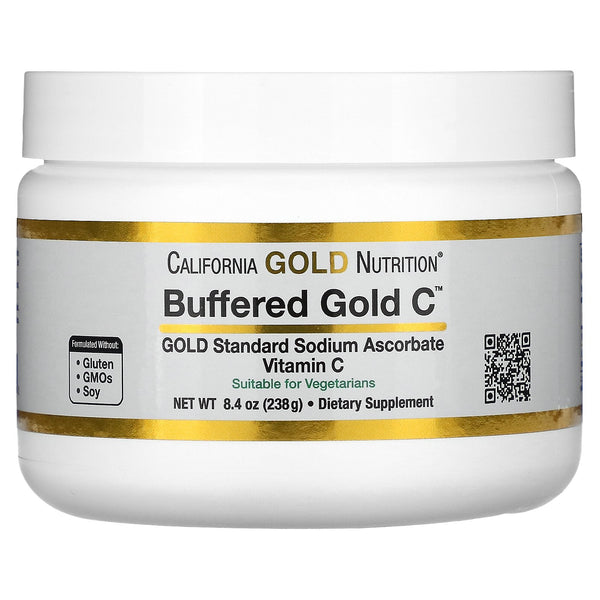
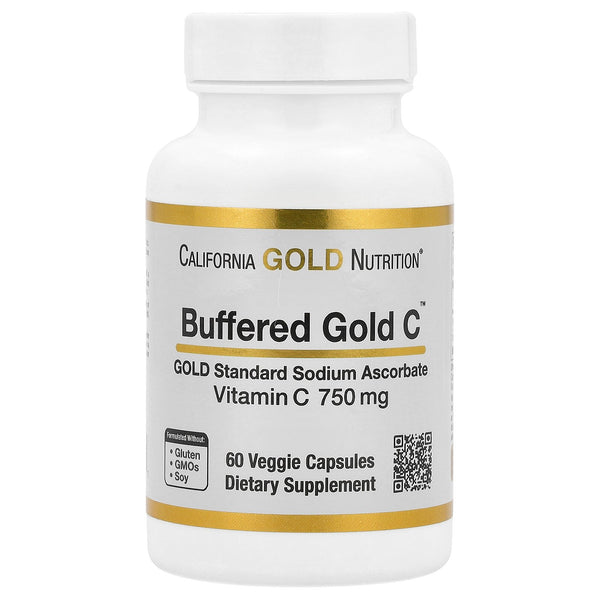
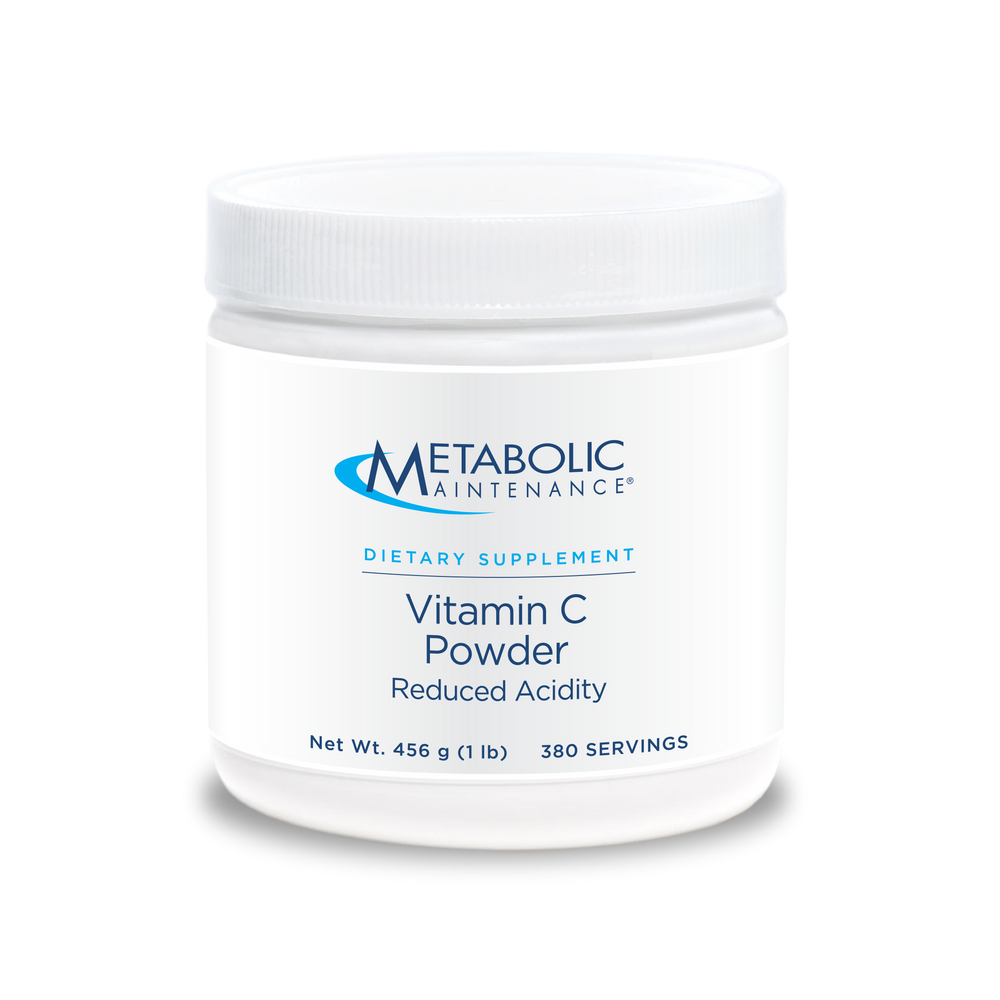
Sources & Scoring
Nutrient data (RDA, UL, and safety thresholds) sourced from the NIH Office of Dietary Supplements and the National Academies Dietary Reference Intakes (DRI).
This is not medical advice. Consult a healthcare provider before making changes to your supplement routine.
The score analyzes what's on the label: ingredient doses vs. studied ranges, chemical forms, evidence levels, and known interactions. It does not verify label accuracy or test for contaminants — for that, look for third-party certifications like USP or NSF.