BioStacksAsk AI about this product
What it does
A combination of 8 label ingredients.
Vitamin D
d3Premium
Supports normal bones; D3 generally raises vitamin D blood levels more than comparable D2 doses.
Vitamin C
Form not confirmedGrade —
Supports normal collagen production and immune function, and helps the body absorb iron from plant foods.
Ingredients (8)
Other ingredients
SorbitolSweetener
A FODMAP sugar alcohol that may trigger GI discomfort (bloating, gas) in individuals with IBS or sorbitol malabsorption, even at small amounts found in supplements. Avoided in low-FODMAP diets.
Natural FlavorsFlavor
Broad regulatory category of flavor constituents derived from natural sources. Composition is proprietary and not disclosed — 'Natural Flavors' can include several hundred different compounds depending on the target flavor profile, including hexane-extracted constituents and proprietary carrier solvents. 'Natural' is a regulatory definition (21 CFR §101.22), not a safety guarantee.
Beet ColorColorant
Natural red-pink colorant from dehydrated beets or beet juice; the pigment is betanin
Citric AcidAcidulant
Natural acid derived from citrus fruits
Sodium CarbonatesBuffering Agent
Alkaline buffering agents used to adjust pH and improve stability of supplement formulations
Riboflavin-5-PhosphateColorant
Active coenzyme form of vitamin B2; used as yellow colorant and for B2 fortification in supplements
StarchBinder
Carbohydrate polymer used as a binder, filler, and disintegrant in tablets and capsules
Lab testing
How to take it
With a meal containing fat
Keep it away from high-oxalate foods like spinach
Space it a couple of hours from Iron
On the label
DISSOLVE ONE TABLET IN A GLASS OF WATER TO MAKE A REFRESHING ORANGE FLAVOURED DRINK. Take once or twice daily, as required. Do not exceed recommended intake. No Aspartame Suitable for vegetarians Easily absorbed formula Free from drugs & hormones Osteocare is not tested on animals
Price check
£5.15≈ $6.54 USD
£0.26 / serving
Cheaper than 98% of 95 dental supplements
Similar products
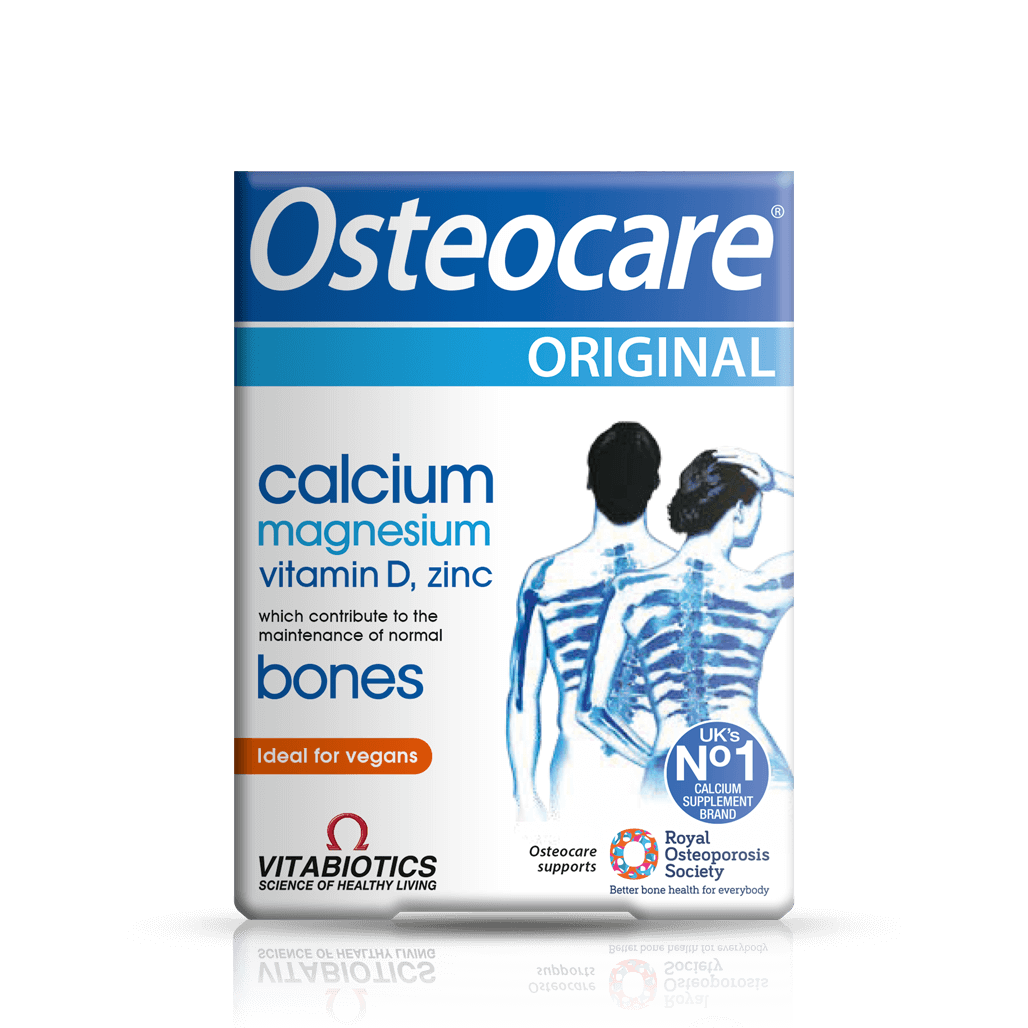
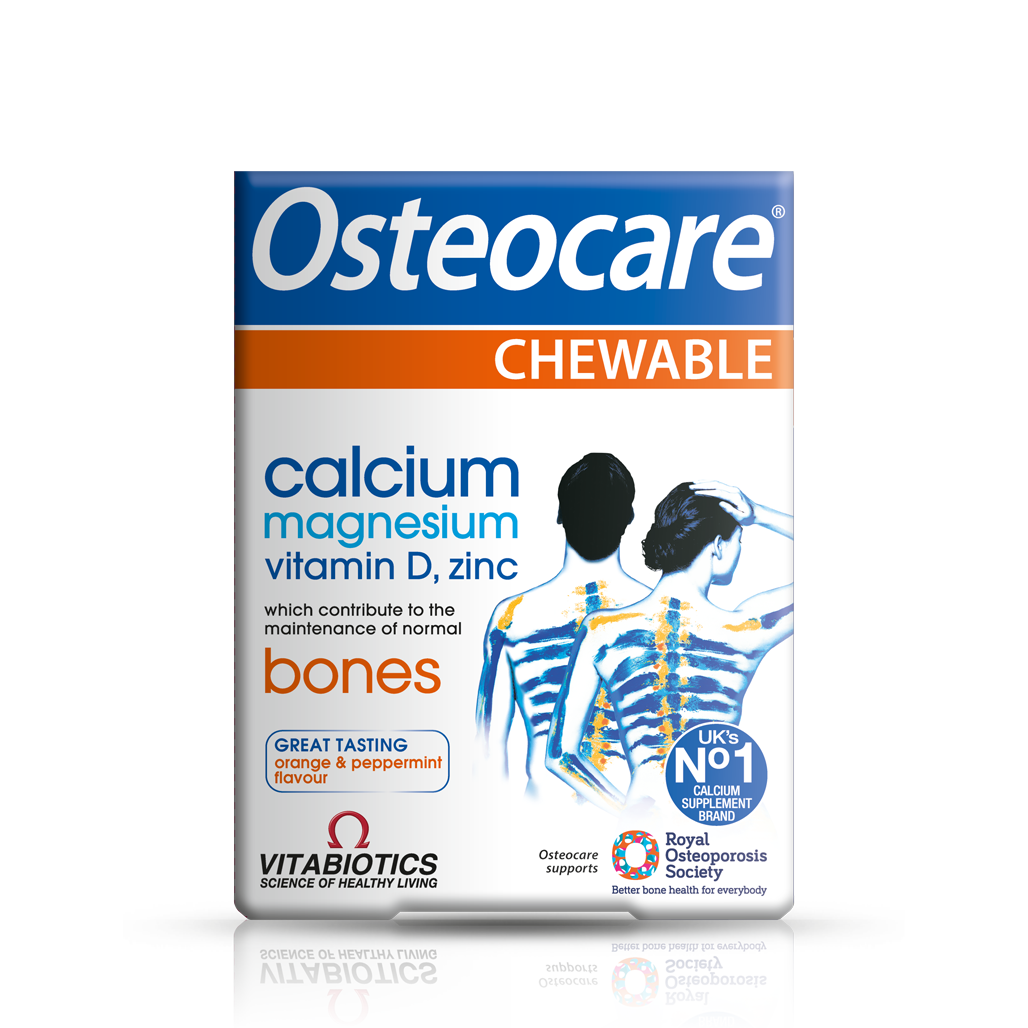
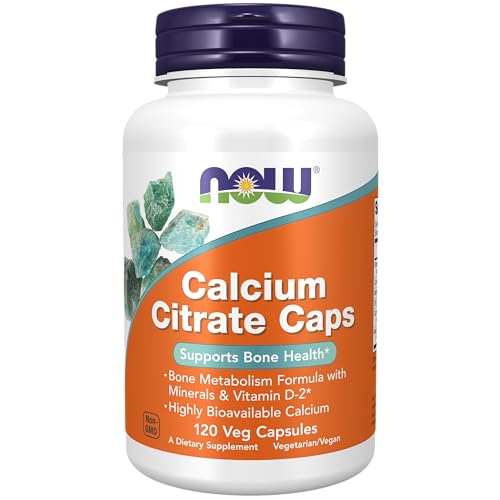
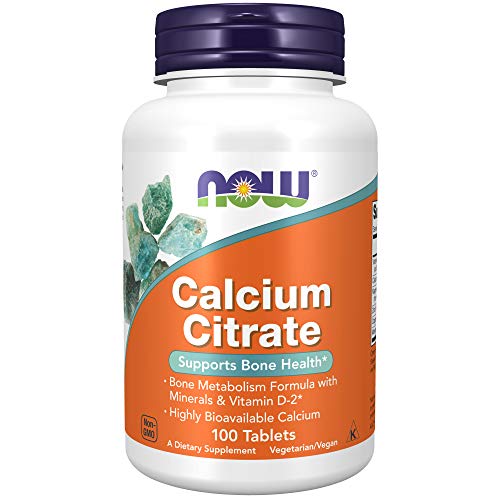
Sources & Scoring
Nutrient data (RDA, UL, and safety thresholds) sourced from the NIH Office of Dietary Supplements and the National Academies Dietary Reference Intakes (DRI).
This is not medical advice. Consult a healthcare provider before making changes to your supplement routine.
The score analyzes what's on the label: ingredient doses vs. studied ranges, chemical forms, evidence levels, and known interactions. It does not verify label accuracy or test for contaminants — for that, look for third-party certifications like USP or NSF.
Not medical advice. Consult your healthcare professional.