BioStacksAsk AI about this product
What it does
A combination of 34 label ingredients.
Pumpkin Seed Oil
Form not confirmedGrade —
A pumpkin-seed-oil supplement improved hair counts in one small male-pattern-hair-loss trial; equivalence of other products remains uncertain.
Saw Palmetto
Form not confirmedGrade —
In trials, saw palmetto generally offered little or no urinary-symptom benefit for men with prostate enlargement.
Ingredients (35)
Other ingredients
MaltodextrinBinder
Spikes blood sugar faster than table sugar (glycemic index 85–105). Research links it to gut bacteria changes that may promote intestinal inflammation (Nickerson et al. 2015). Used as a cheap filler — adds nothing beneficial.
PhytosterolsBotanical
Plant-derived sterols structurally similar to cholesterol.
Coating (unspecified)Coating
Generic tablet coating declaration where the label does not itemize the coating's components; modern aqueous film coatings are typically cellulose-based (HPMC) with a plasticizer
Microcrystalline CelluloseBinder
Plant-derived cellulose used as a binder and filler in supplements
Microcrystalline CelluloseBinder
Plant-derived cellulose used as a binder and filler in supplements
Mixed TocopherolsAntioxidant
Natural vitamin E used as preservative
PotassiumMineral
Essential mineral naturally present in many plant-based supplement ingredients
Soya Extract (from Soya)
Not reviewed yet
Lab testing
How to take it
With a meal containing fat
Keep it away from coffee, tea and dairy
Space it a couple of hours from Calcium
On the label
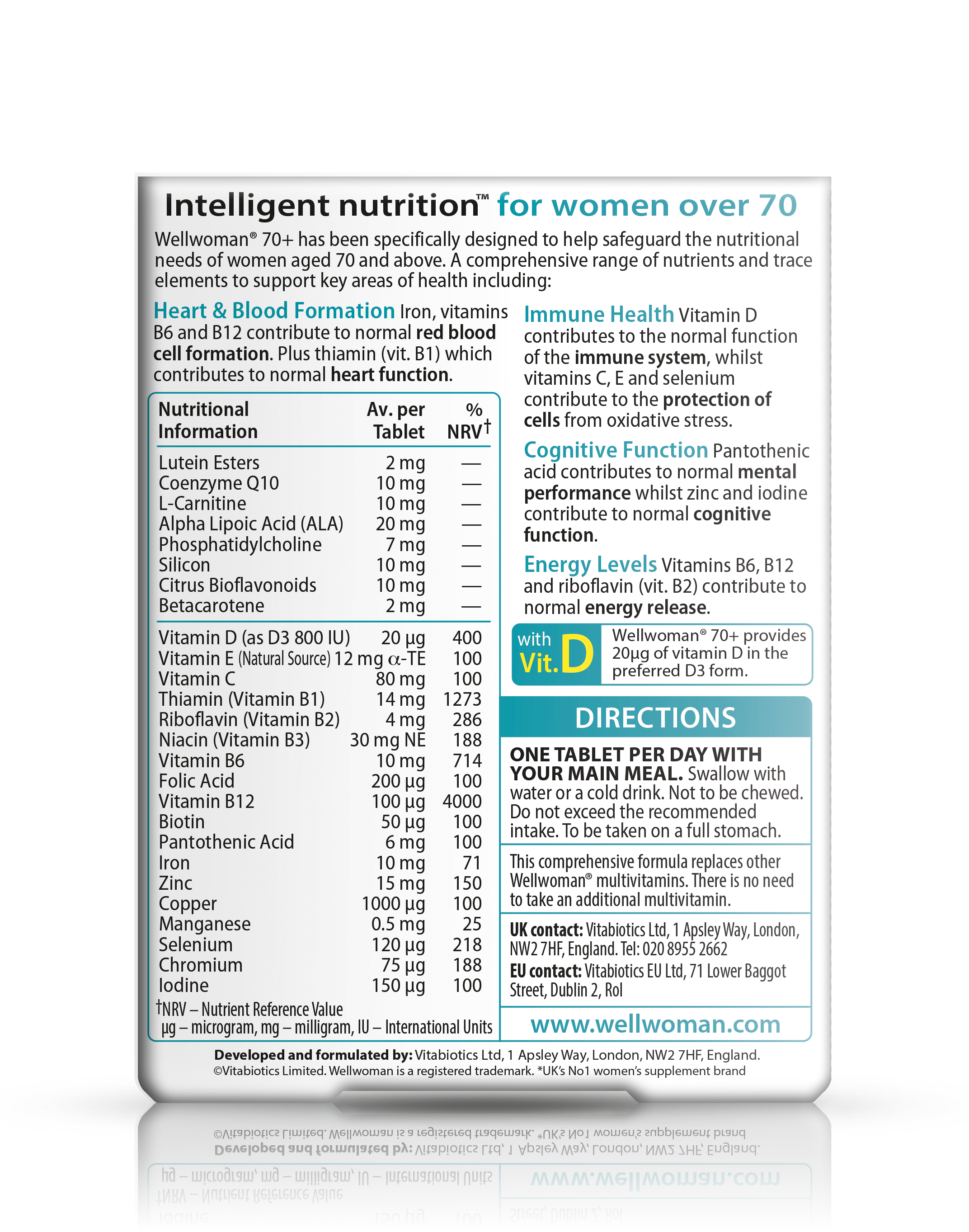
TWO TABLETS PER DAY WITH YOUR MAIN MEAL. Swallow with water or a cold drink. Not to be chewed. Do not exceed the recommended intake. To be taken on a full stomach. You should consult your doctor if you have any symptoms of urinary discomfort to confirm you have BPH or another prostate condition that may require immediate medical treatment. These include the need to urinate more frequently (especially at night), a feeling of not being able to empty the bladder completely and weak or interrupted urinary flow. For Allergy Advice and other usage information see Nutritional Information.
The label says evening, but the Green Tea Leaf Extract in it makes morning the safer call.
Price check
£15.27≈ $19.39 USD
£0.51 / serving
Cheaper than 67% of 798 multivitamins
Similar products

Sources & Scoring
Nutrient data (RDA, UL, and safety thresholds) sourced from the NIH Office of Dietary Supplements and the National Academies Dietary Reference Intakes (DRI).
This is not medical advice. Consult a healthcare provider before making changes to your supplement routine.
The score analyzes what's on the label: ingredient doses vs. studied ranges, chemical forms, evidence levels, and known interactions. It does not verify label accuracy or test for contaminants — for that, look for third-party certifications like USP or NSF.
Not medical advice. Consult your healthcare professional.