BioStacks
Best for
Ingredients (8)
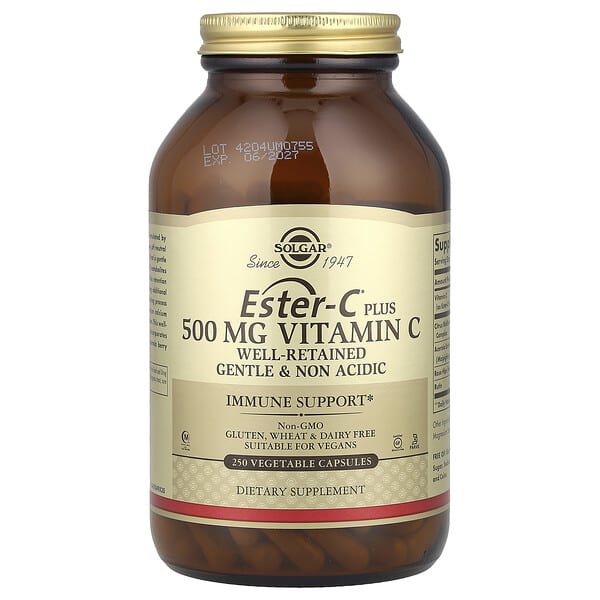
Vitamin C
100%Dose
1000 mg
Target
250–2000 mg
Form
Budget
Citrus Bioflavonoid Extract (fruit)
40%Dose
100 mg
Target
250–1000 mg
Form
—
Rutin
20%Dose
50 mg
Target
250–500 mg
Form
—
Hesperidin Complex
5%Dose
25 mg
Target
500–1000 mg
Form
—
Acerola
1%Dose
1 mg
Target
100–500 mg
Form
—
Other Ingredients (8)
Magnesium StearateLubricant
A salt of stearic acid used as a lubricant in tablet and capsule production
Silicon DioxideAnti-caking
Fine silica powder used to prevent clumping
Croscarmellose SodiumDisintegrant
Cross-linked cellulose derivative used as a superdisintegrant
Dicalcium PhosphateBinder
Calcium and phosphorus compound used as binder
GlycerinHumectant
Sweet-tasting liquid used in soft capsules and liquids
HypromelloseCapsule
Plant-derived capsule material from cellulose
Stearic AcidLubricant
Saturated fatty acid used as tablet lubricant
Microcrystalline CelluloseBinder
Plant-derived cellulose used as a binder and filler in supplements
How to Take It
Take it anytime
Plain ascorbic acid is acidic — high doses can bite on an empty stomach. Take it with food if that happens, and split doses above ~500 mg.
With or without food
On the label
Take 1 caplet daily, preferably with a meal.
General guidance based on the ingredients, not a substitute for the label or your doctor.
Price Check
$21.99
Near the median of 292 immune supplements
Track this supplement in your stack
Get personalized insights, interactions, and coverage recommendations.
Get Started FreeSimilar Supplements
Sources & Scoring
Nutrient data (RDA, UL, and safety thresholds) sourced from the NIH Office of Dietary Supplements and the National Academies Dietary Reference Intakes (DRI).
This is not medical advice. Consult a healthcare provider before making changes to your supplement routine.
The score analyzes what's on the label: ingredient doses vs. studied ranges, chemical forms, evidence levels, and known interactions. It does not verify label accuracy or test for contaminants — for that, look for third-party certifications like USP or NSF.