BioStacksAsk AI about this product
What it does
The product name and ingredient list do not agree; purpose cannot be confirmed.
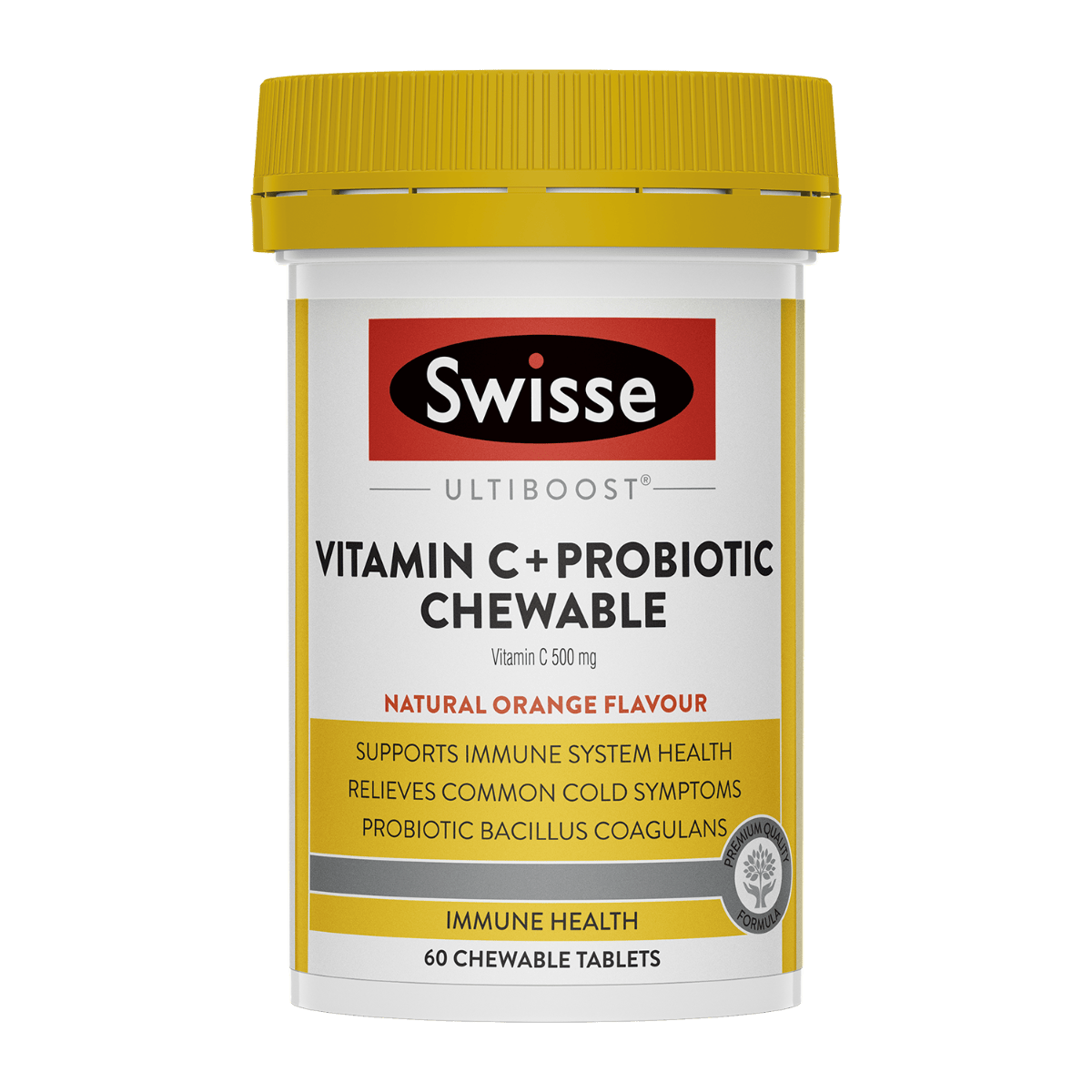
B. coagulans
Bacillus coagulansStandard
Label lists Bacillus coagulans (1 billion cfu). Benefit information is limited.
Ingredients (1)
Other ingredients
MaltodextrinBinder
Spikes blood sugar faster than table sugar (glycemic index 85–105). Research links it to gut bacteria changes that may promote intestinal inflammation (Nickerson et al. 2015). Used as a cheap filler — adds nothing beneficial.
SucroseSweetener
Added sugars and high glycemic load; dental caries risk
Tapioca SyrupSweetener
High glycemic index similar to glucose syrup. Adds significant sugars and calories — often the primary ingredient by weight in gummy supplements. 'Organic' labeling does not change the glycemic impact.
Coating (unspecified)Coating
Generic tablet coating declaration where the label does not itemize the coating's components; modern aqueous film coatings are typically cellulose-based (HPMC) with a plasticizer
Natural Color (unspecified)Colorant
Umbrella declaration for a colorant from a natural source (fruit, vegetable, or plant extract) that the label does not name specifically
Natural FlavorsFlavor
Broad regulatory category of flavor constituents derived from natural sources. Composition is proprietary and not disclosed — 'Natural Flavors' can include several hundred different compounds depending on the target flavor profile, including hexane-extracted constituents and proprietary carrier solvents. 'Natural' is a regulatory definition (21 CFR §101.22), not a safety guarantee.
Citric AcidAcidulant
Natural acid derived from citrus fruits
StarchBinder
Carbohydrate polymer used as a binder, filler, and disintegrant in tablets and capsules
Lab testing
How to take it
With or without food
Split into 2 doses across the day
On the label
Chew 2 gummies daily or as directed by a physician
Price check
C$23.29≈ $17.00 USD
C$0.47 / serving
Cheaper than 99% of 11 B. coagulans supplements
Similar products
Sources & Scoring
Nutrient data (RDA, UL, and safety thresholds) sourced from the NIH Office of Dietary Supplements and the National Academies Dietary Reference Intakes (DRI).
This is not medical advice. Consult a healthcare provider before making changes to your supplement routine.
The score analyzes what's on the label: ingredient doses vs. studied ranges, chemical forms, evidence levels, and known interactions. It does not verify label accuracy or test for contaminants — for that, look for third-party certifications like USP or NSF.
Not medical advice. Consult your healthcare professional.