What it does
A combination of 2 label ingredients.
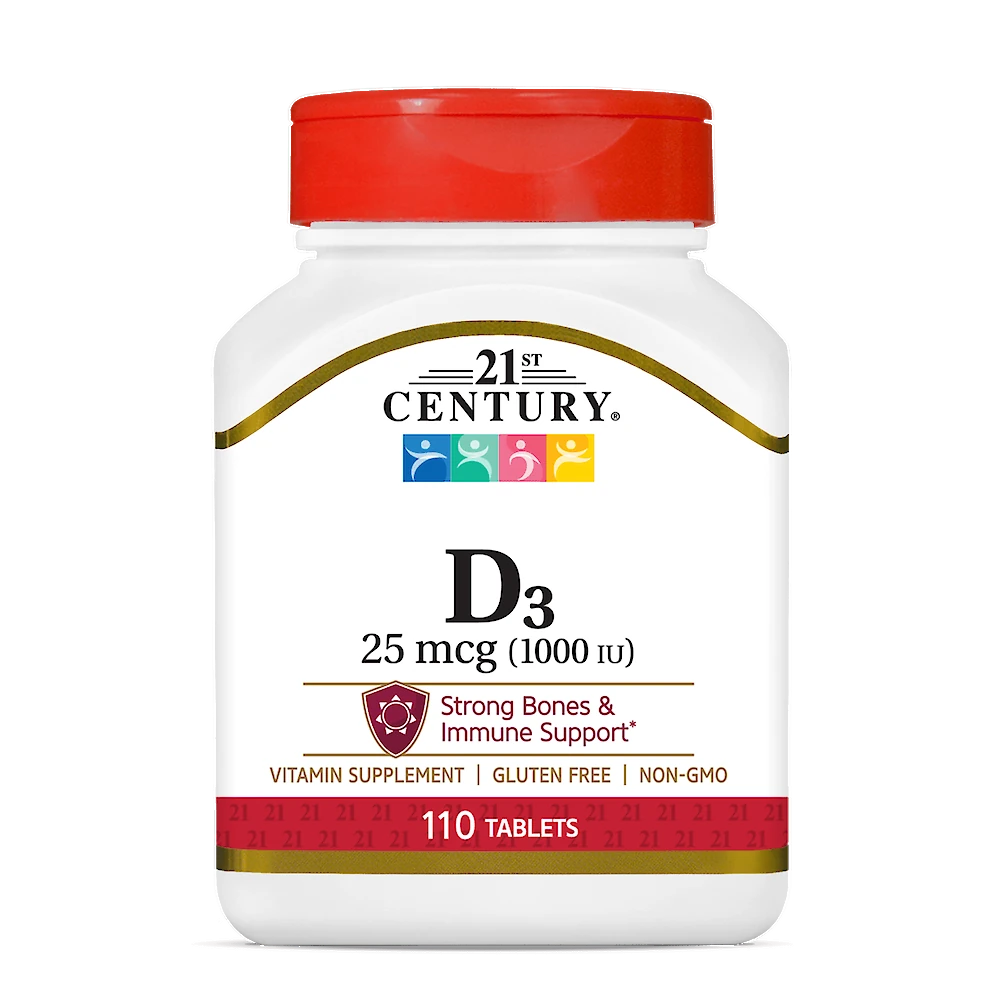
Vitamin D
cholecalciferolPremium
cholecalciferol: Supports normal bones; D3 generally raises vitamin D blood levels more than comparable D2 doses.
Calcium
dicalcium phosphateBudget
Supports the maintenance of normal bones and teeth, muscle function and nerve signaling.
Ingredients (2)
Other ingredients
TalcAnti-caking
IARC classifies cosmetic-grade talc not containing asbestos as Group 2B (possibly carcinogenic to humans); perineal talc use as Group 2A (probably carcinogenic). Johnson & Johnson voluntarily withdrew talc-based baby powder from US/Canada in 2020 and globally in 2022 after extensive litigation tied to ovarian-cancer and mesothelioma cases. The 2018 FDA contamination survey found asbestos in 9 of 52 cosmetic talc products tested. As a supplement excipient talc is a pure manufacturing convenience — no nutritional or functional benefit to the user — so the asbestos-exposure risk has no offsetting upside. Safer alternatives (silicon dioxide, microcrystalline cellulose, rice hulls) are widely available.
Titanium DioxideColorant
Banned in the EU (2022) over concerns that its ultra-fine particles may damage DNA in gut cells. Still allowed in the US. Used only for white coloring — provides no health benefit.
Magnesium StearateLubricant
A salt of stearic acid used as a lubricant in tablet and capsule production
Silicon DioxideAnti-caking
Fine silica powder used to prevent clumping
Carnauba WaxCoating
Hard plant wax from the carnauba palm used to glaze gummies and tablets
Dicalcium PhosphateBinder
Calcium and phosphorus compound used as binder
GlycerinHumectant
Sweet-tasting liquid used in soft capsules and liquids
HypromelloseCapsule
Plant-derived capsule material from cellulose
Lab testing
How to take it
With a meal containing fat
Keep it away from high-oxalate foods like spinach
Space it a couple of hours from Iron, Magnesium and Zinc
On the label
Take 1 tablet daily with food as a dietary supplement or as directed by a healthcare professional.
Price check
$20.00
$0.33 / serving
Near the median of 552 vitamin D supplements
Similar products
Sources & Scoring
Nutrient data (RDA, UL, and safety thresholds) sourced from the NIH Office of Dietary Supplements and the National Academies Dietary Reference Intakes (DRI).
This is not medical advice. Consult a healthcare provider before making changes to your supplement routine.
The score analyzes what's on the label: ingredient doses vs. studied ranges, chemical forms, evidence levels, and known interactions. It does not verify label accuracy or test for contaminants — for that, look for third-party certifications like USP or NSF.
Not medical advice. Consult your healthcare professional.