BioStacks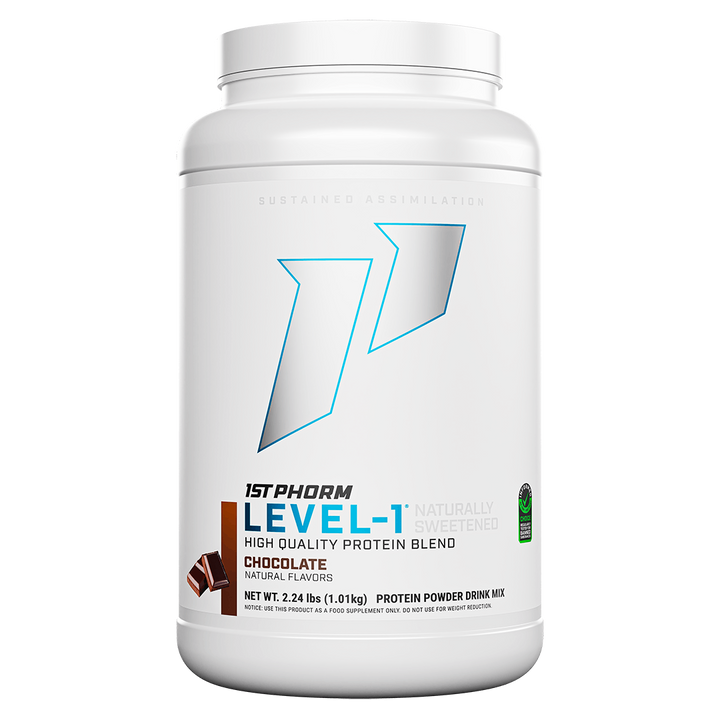
Best for
Ingredients (6)
Dietary Protein
100%Dose
24 g
Target
20–30 g
Form
—
Calcium
130 mgTrace amount — not scored
Iron
0.2 mgTrace amount — not scored
Magnesium
20 mgTrace amount — not scored
Phosphorus
110 mgTrace amount — not scored
Nutrition
Calories, macros & sodium.
- Sodium105 mg
Other Ingredients (6)
CarboxymethylcelluloseThickener
Carboxymethylcellulose was the second emulsifier (with polysorbate 80) in Chassaing et al. 2015 (Nature, PMID 25731162), which showed mucus-barrier thinning, a microbiota shift toward pro-inflammatory species, low-grade inflammation, and metabolic syndrome in mice. Chassaing 2022 (Gastroenterology, PMID 34774538) tested CMC directly in a randomized controlled human feeding trial and found reduced microbial diversity and bacterial encroachment into the normally sterile mucus layer in a susceptible subset of participants. EFSA's 2018 re-evaluation could not establish a safe level due to data gaps. For a purely textural excipient, the gut-barrier risk profile is unfavorable when safer thickeners are widely available.
Natural FlavorsFlavor
Broad regulatory category of flavor constituents derived from natural sources. Composition is proprietary and not disclosed — 'Natural Flavors' can include several hundred different compounds depending on the target flavor profile, including hexane-extracted constituents and proprietary carrier solvents. 'Natural' is a regulatory definition (21 CFR §101.22), not a safety guarantee.
Monk Fruit ExtractSweetener
Zero-calorie natural sweetener derived from the monk fruit (Siraitia grosvenorii)
Sea SaltFlavor
Basic food-grade salt used for taste in supplements
Sunflower LecithinEmulsifier
Non-GMO, non-allergenic emulsifier derived from sunflower seeds
Xanthan GumThickener
Natural thickener from fermented carbohydrates
How to Take It
Take it anytime
Timing doesn't matter for this one — taking it consistently does.
With or without food
On the label
Add one rounded scoop to four ounces of ice cold water or milk One scoop yields 23-25 grams of protein. Use Level-1 throughout the day to help meet your protein goals.
General guidance based on the ingredients, not a substitute for the label or your doctor.
Price Check
$59.99
Pricier than 80% of 165 muscle supplements
Track this supplement in your stack
Get personalized insights, interactions, and coverage recommendations.
Get Started FreeSimilar Supplements
1st Phorm
LEVEL-1 Protein Powder (Chocolate)
💪 for Muscle
67
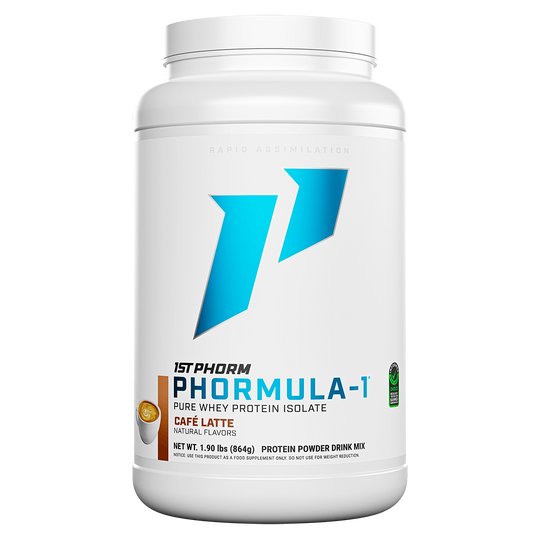
1st Phorm
Phormula-1 Pure Whey Protein Isolate (Cafe Latte)
57
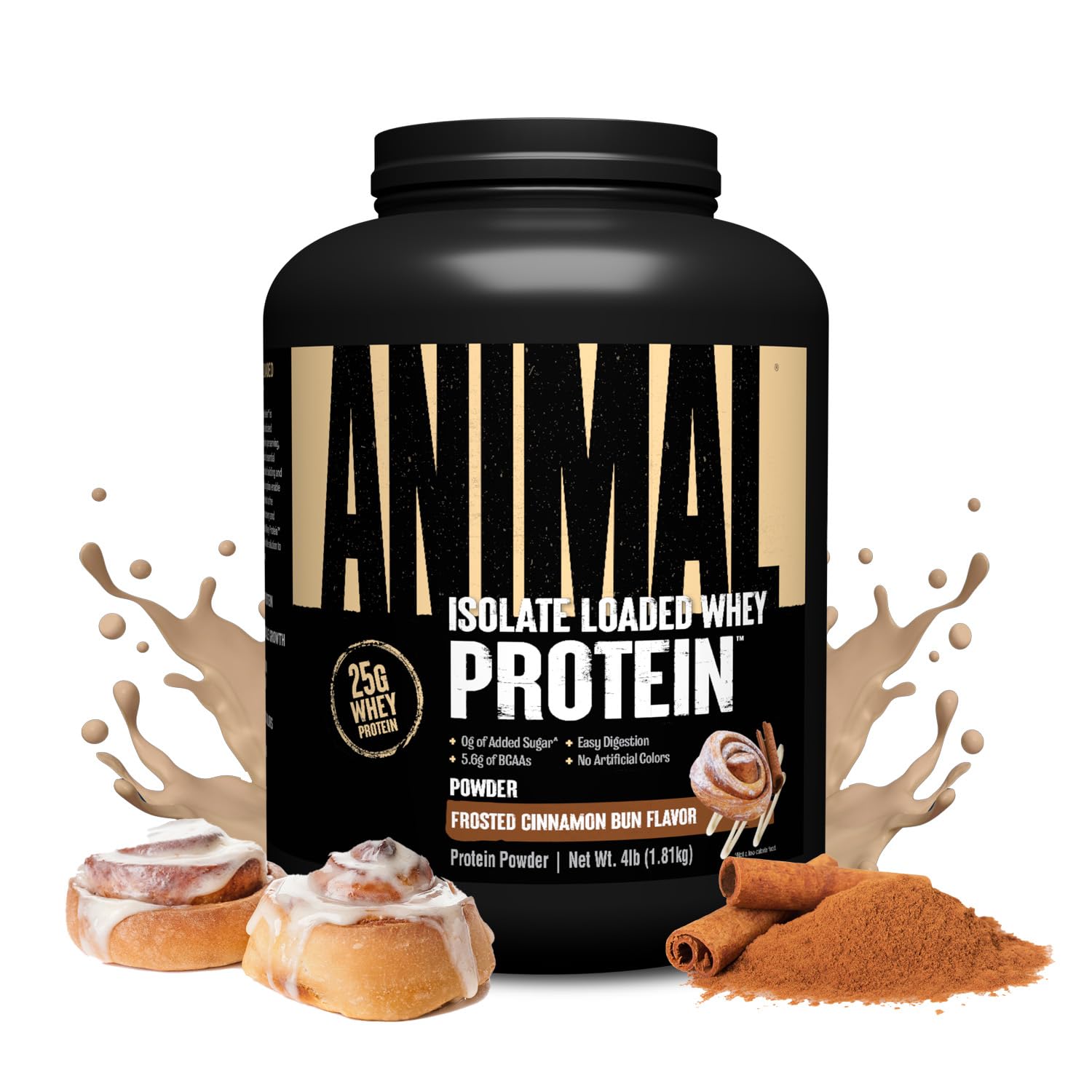
Animal
Isolate Loaded Whey Protein Powder (Frosted Cinnamon Bun)
💪 for Muscle
27
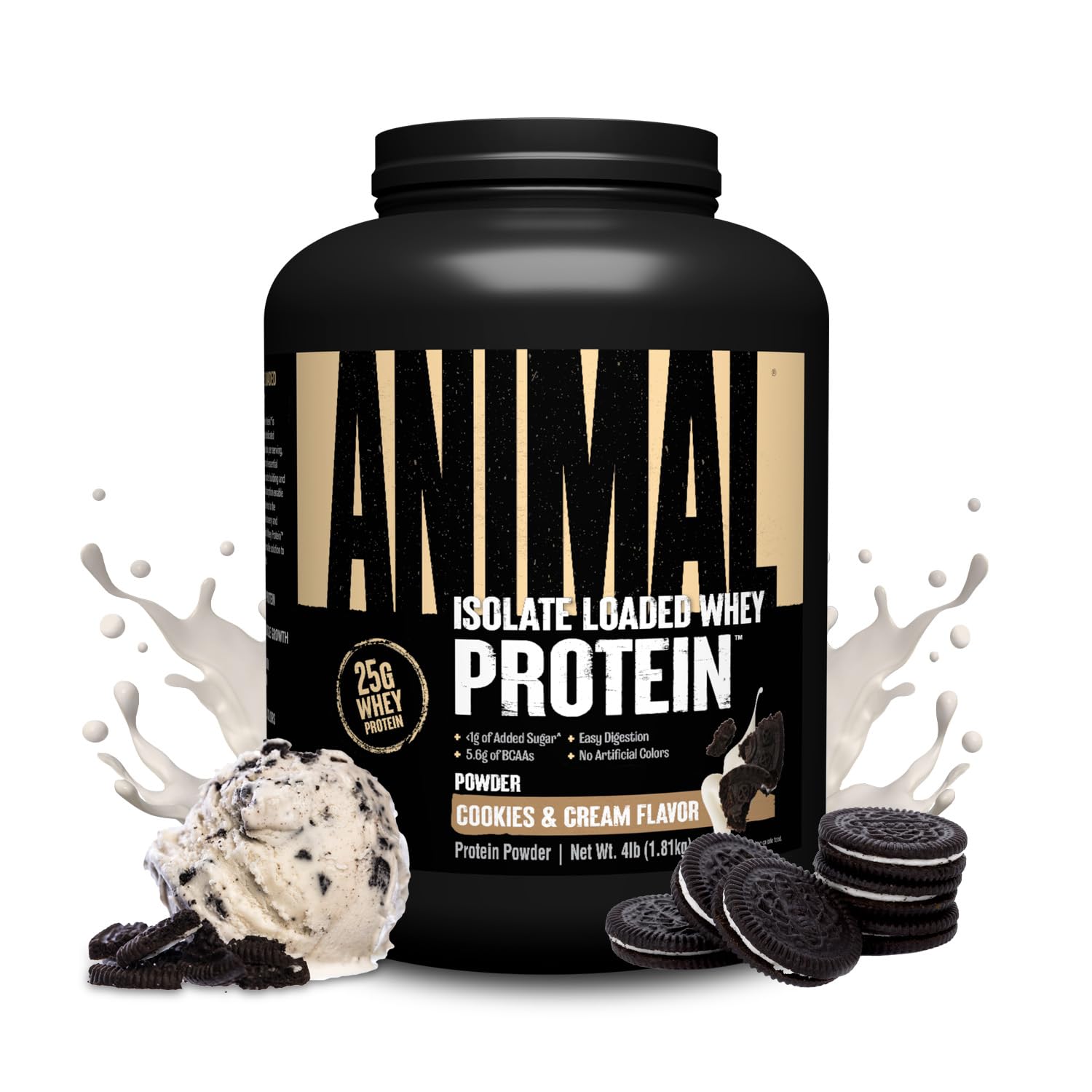
Animal
Isolate Loaded Whey Protein Powder (Cookies & Cream)
💪 for Muscle
25
Animal
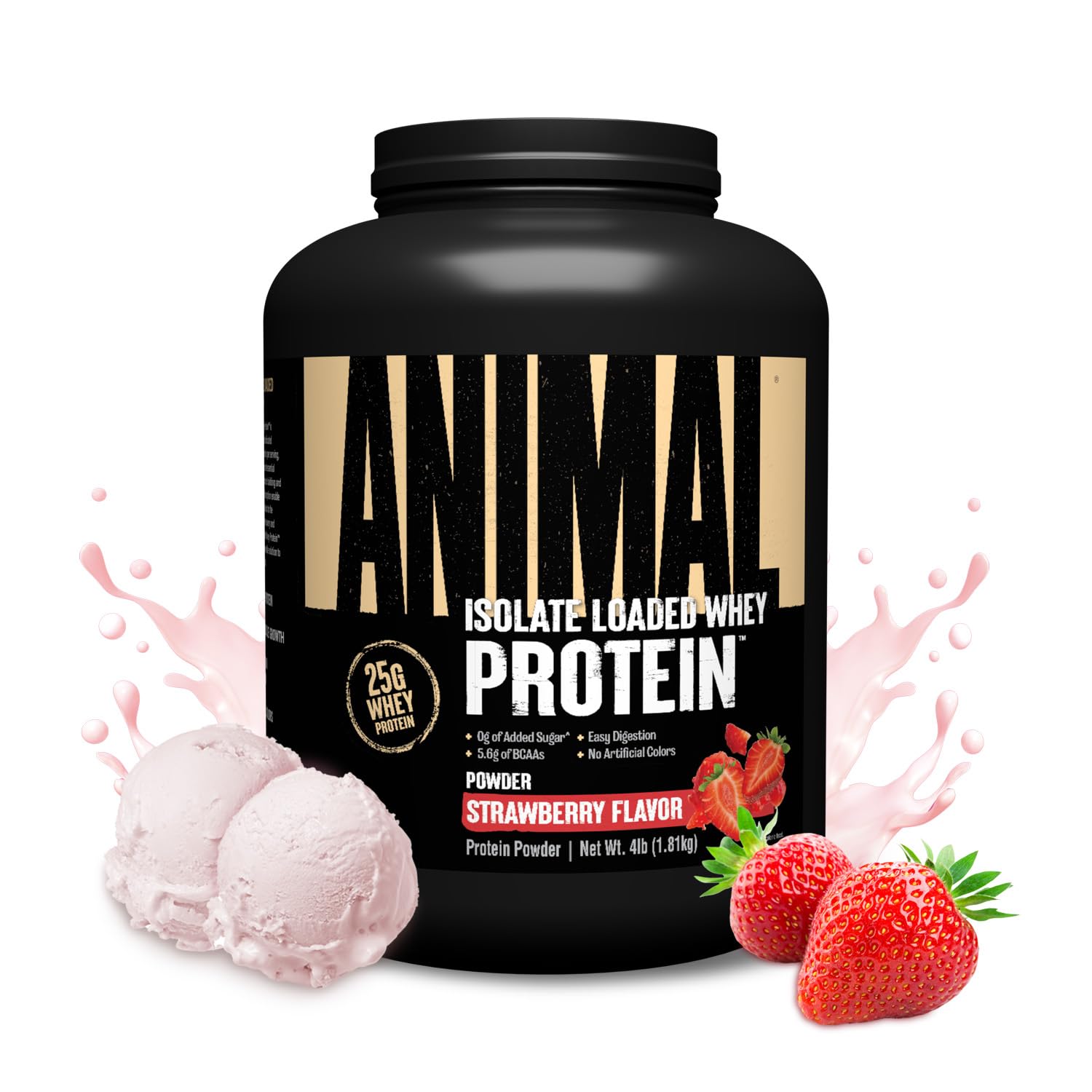
Isolate Loaded Whey Protein Powder (Strawberry)
💪 for Muscle
19
Sources & Scoring
Nutrient data (RDA, UL, and safety thresholds) sourced from the NIH Office of Dietary Supplements and the National Academies Dietary Reference Intakes (DRI).
This is not medical advice. Consult a healthcare provider before making changes to your supplement routine.
The score analyzes what's on the label: ingredient doses vs. studied ranges, chemical forms, evidence levels, and known interactions. It does not verify label accuracy or test for contaminants — for that, look for third-party certifications like USP or NSF.