BioStacksAsk AI about this product
What it does
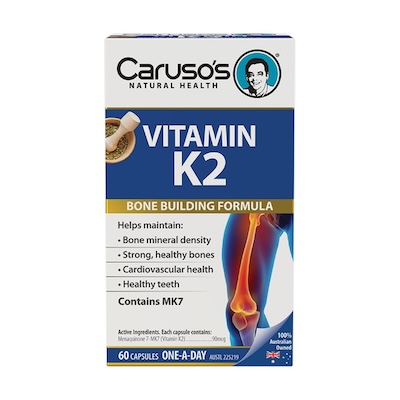
Vitamin K
menaquinone-7Premium
Supports normal blood clotting and activates proteins involved in maintaining bones.
Ingredients (1)
Other ingredients
TalcAnti-caking
IARC classifies cosmetic-grade talc not containing asbestos as Group 2B (possibly carcinogenic to humans); perineal talc use as Group 2A (probably carcinogenic). Johnson & Johnson voluntarily withdrew talc-based baby powder from US/Canada in 2020 and globally in 2022 after extensive litigation tied to ovarian-cancer and mesothelioma cases. The 2018 FDA contamination survey found asbestos in 9 of 52 cosmetic talc products tested. As a supplement excipient talc is a pure manufacturing convenience — no nutritional or functional benefit to the user — so the asbestos-exposure risk has no offsetting upside. Safer alternatives (silicon dioxide, microcrystalline cellulose, rice hulls) are widely available.
Magnesium StearateLubricant
A salt of stearic acid used as a lubricant in tablet and capsule production
Silicon DioxideAnti-caking
Fine silica powder used to prevent clumping
Microcrystalline CelluloseBinder
Plant-derived cellulose used as a binder and filler in supplements
Dicalcium PhosphateBinder
Calcium and phosphorus compound used as binder
Oat FiberFiber
Insoluble dietary fiber from the outer hull or bran of oat grains; primarily cellulose and hemicellulose, low in beta-glucan compared to oat bran soluble fraction
Lab testing
How to take it
With a meal containing fat
On the label
As a vitamin supplement, adults take one (1) capsule daily with any meal or as directed by a healthcare provider. Do not exceed recommended dosage. Individual results may vary.
Price check
$9.00
$0.08 / serving
Cheaper than 91% of 144 vitamin K supplements
Similar products
Sources & Scoring
Nutrient data (RDA, UL, and safety thresholds) sourced from the NIH Office of Dietary Supplements and the National Academies Dietary Reference Intakes (DRI).
This is not medical advice. Consult a healthcare provider before making changes to your supplement routine.
The score analyzes what's on the label: ingredient doses vs. studied ranges, chemical forms, evidence levels, and known interactions. It does not verify label accuracy or test for contaminants — for that, look for third-party certifications like USP or NSF.
Not medical advice. Consult your healthcare professional.