BioStacks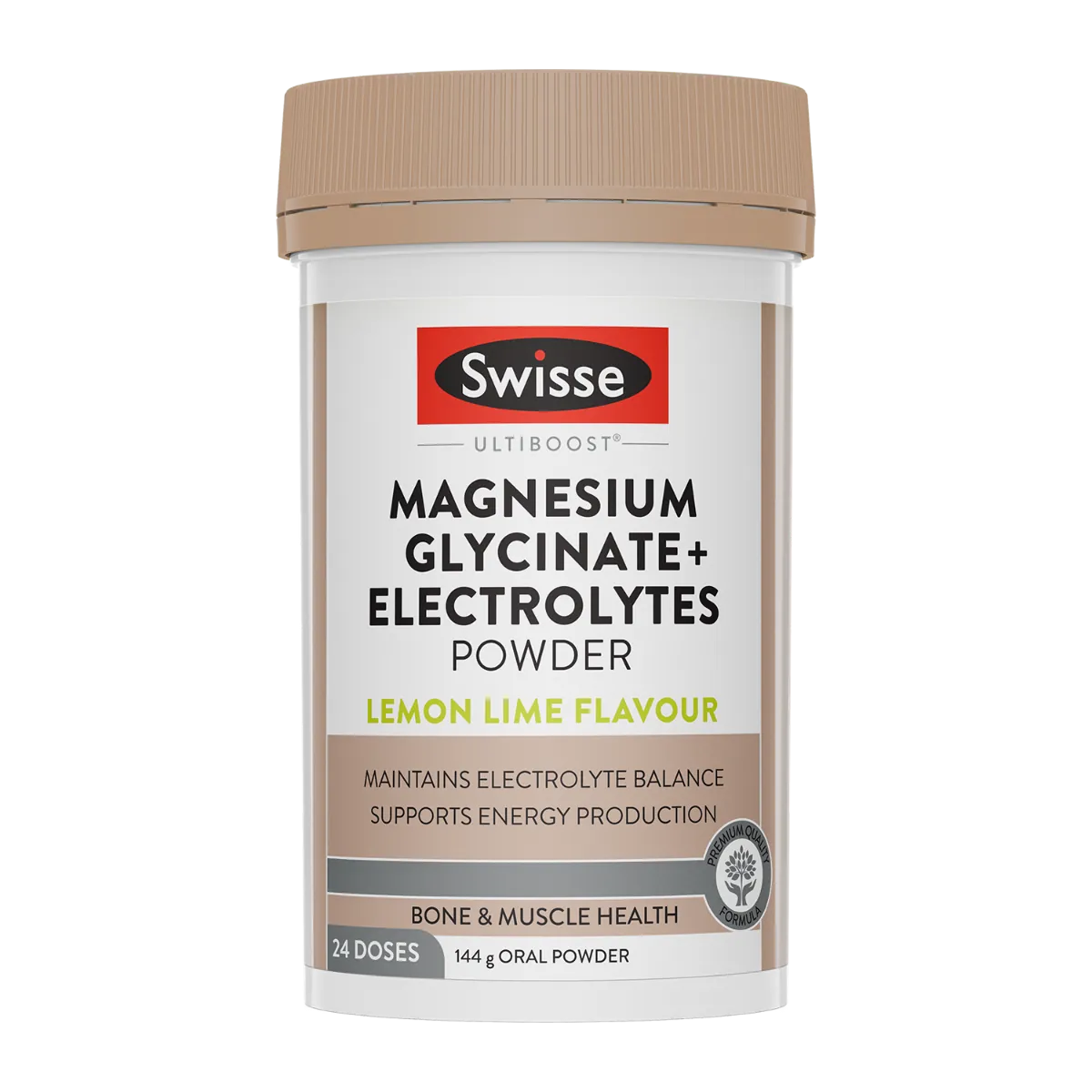
Ingredients (7)
Potassium Nitrate
100%Dose
202 mg
Target
99–500 mg
Form
—
Zinc
100%Dose
16 mg
Target
15–30 mg
Form
Premium
Sodium Alginate
100%Dose
300 mg
Target
300–1000 mg
Form
—
Vitamin C
40%Dose
100 mg
Target
250–2000 mg
Form
Budget
Mastic Gum
80%Dose
400 mg
Target
500–2000 mg
Form
—
Other Ingredients (9)
MaltodextrinBinder
Spikes blood sugar faster than table sugar (glycemic index 85–105). Research links it to gut bacteria changes that may promote intestinal inflammation (Nickerson et al. 2015). Used as a cheap filler — adds nothing beneficial.
Hydrochloric AcidpH Adjuster
A strong acid used in dilute form to adjust pH during manufacturing.
Silicon DioxideAnti-caking
Fine silica powder used to prevent clumping
Sodium HydroxidepH Adjuster
Strong base used in trace amounts to adjust pH during manufacturing of liquids, gummies, and coated tablets; fully neutralized in the finished product
Calcium CarbonateBuffer
Common calcium salt used as a buffering agent, filler, or mineral fortification in supplements
Calcium CarbonateBuffer
Common calcium salt used as a buffering agent, filler, or mineral fortification in supplements
Capsule ShellCapsule
Generic capsule shell where the label does not specify the material. Common materials are hypromellose (HPMC) for vegetarian capsules and gelatin for traditional capsules — both are GRAS-listed and safe. Fish gelatin and pullulan variants also exist.
Microcrystalline CelluloseBinder
Plant-derived cellulose used as a binder and filler in supplements
How to Take It
Take it anytime
Take with food — potassium salts on an empty stomach commonly cause nausea.
With food
Space it a couple of hours from Iron and Calcium
On the label
Take 2 capsules daily with food, or as directed by a qualified health care practitioner.
General guidance based on the ingredients, not a substitute for the label or your doctor.
Price Check
$39.99
Near the median of 118 hydration supplements
Track this supplement in your stack
Get personalized insights, interactions, and coverage recommendations.
Get Started FreeSimilar Supplements
Swisse
Magnesium Glycinate + Electrolytes Powder
💧 for Hydration
60
Jigsaw Health
Adrenal Cocktail + Wholefood Vitamin C
💧 for Hydration
67
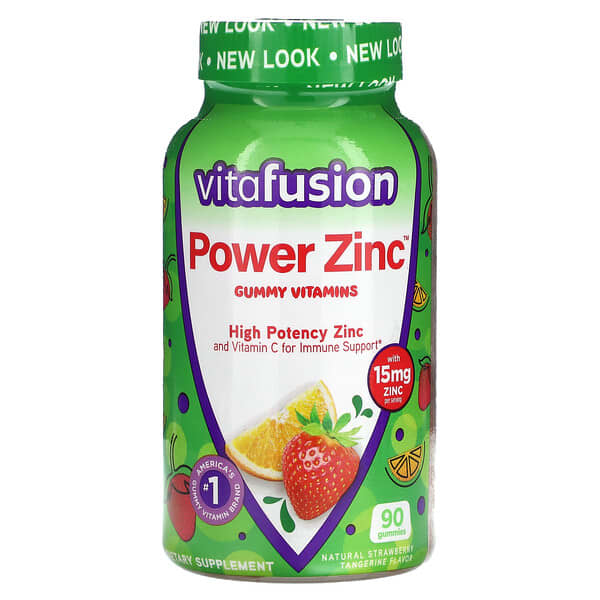
vitafusion
Power Zinc Natural Strawberry Tangerine Flavor
🛡️ for Immune
56
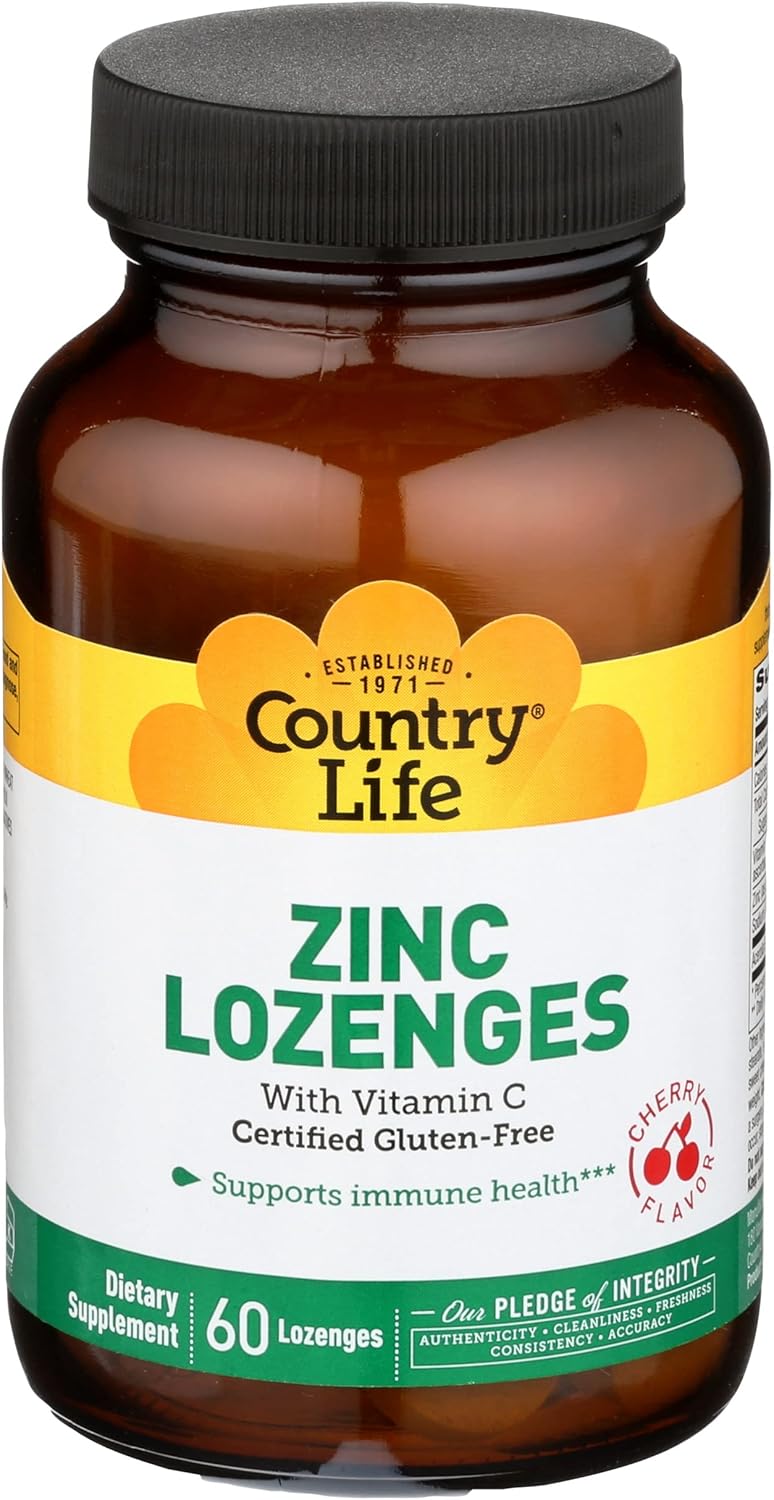
Country Life
Zinc Lozenges Cherry Flavor
🛡️ for Immune
45
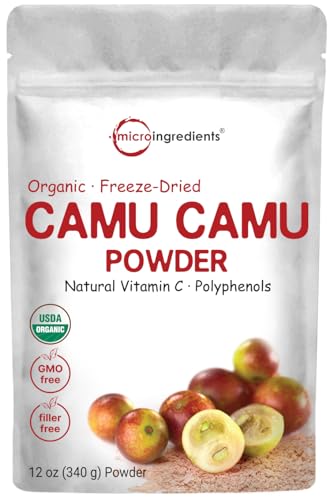
Micro Ingredients
Organic Camu Camu Powder
🛡️ for Immune
42
Sources & Scoring
Nutrient data (RDA, UL, and safety thresholds) sourced from the NIH Office of Dietary Supplements and the National Academies Dietary Reference Intakes (DRI).
This is not medical advice. Consult a healthcare provider before making changes to your supplement routine.
The score analyzes what's on the label: ingredient doses vs. studied ranges, chemical forms, evidence levels, and known interactions. It does not verify label accuracy or test for contaminants — for that, look for third-party certifications like USP or NSF.