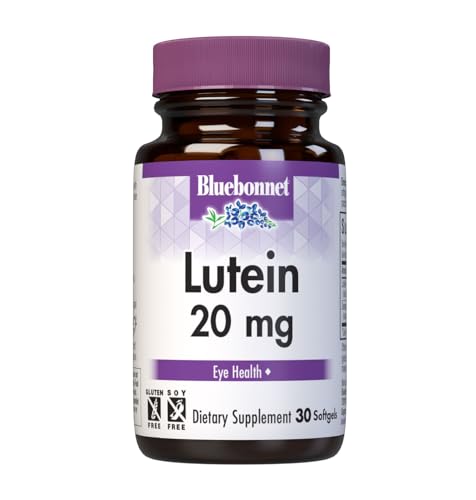
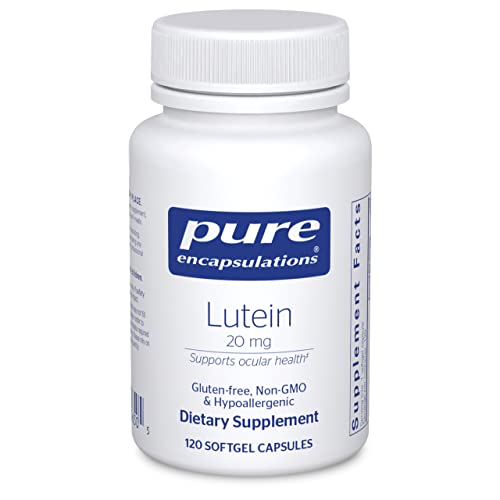
This lutein softgel delivers a full 20mg per serving for eye health — the top of the dose range studied for macular protection. **Lutein** builds up in the macula, where it filters blue light and helps defend against age-related macular degeneration. The landmark AREDS2 trial used 10mg daily, so at 20mg you're getting double that studied amount in one softgel.
Because lutein is fat-soluble, it only absorbs well alongside fat. This formula handles that by suspending the lutein in safflower and MCT oil, and the label still recommends taking it with a meal containing oil or fat to help further.
Lutein also accumulates in skin, where it offers some protection against UV-induced oxidative damage, so the benefit reaches a little beyond your eyes. For long-term vision support, you're getting a clinically meaningful dose with nothing else competing for space.
BioStacks
Best for
Ingredients (1)
Lutein
100%Dose
20 mg
Target
10–20 mg
Form
—
Other Ingredients (3)
Medium Chain Triglyceride OilCarrier
Fractionated oils rich in C8/C10 triglycerides used as neutral carrier or anti-sticking agent
Safflower Seed OilCarrier
Light, neutral oil from safflower seeds used as a carrier in softgels for fat-soluble nutrients
SoftgelCapsule
One-piece gelatin capsule shell with a plasticizer (typically glycerin), used to encapsulate liquid or oil-based supplements
How to Take It
Take it anytime
Fat-soluble — take with a meal containing fat for better absorption. Time of day doesn't matter.
With a meal containing fat
On the label
Take one softgel daily with a meal containing oil/fat, or as directed by a qualified health care practitioner.
General guidance based on the ingredients, not a substitute for the label or your doctor.
Price Check
No price yet
What 76 lutein supplements cost
Track this supplement in your stack
Get personalized insights, interactions, and coverage recommendations.
Get Started FreeSimilar Supplements
Sources & Scoring
Nutrient data (RDA, UL, and safety thresholds) sourced from the NIH Office of Dietary Supplements and the National Academies Dietary Reference Intakes (DRI).
This is not medical advice. Consult a healthcare provider before making changes to your supplement routine.
The score analyzes what's on the label: ingredient doses vs. studied ranges, chemical forms, evidence levels, and known interactions. It does not verify label accuracy or test for contaminants — for that, look for third-party certifications like USP or NSF.