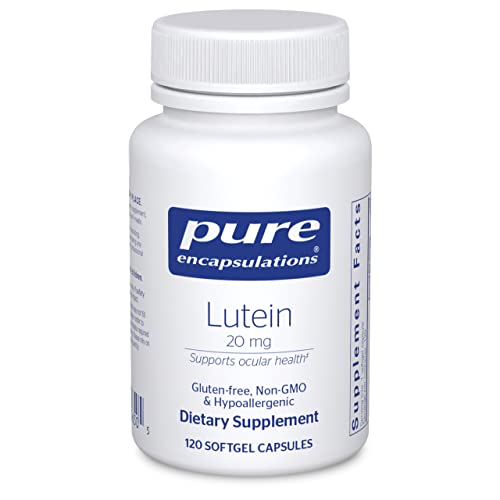
This **lutein** supplement delivers a hefty 40mg per capsule for eye and macular protection — four times the 10mg dose used in the landmark AREDS2 trial that showed lutein slows the progression of age-related macular degeneration. At that intake you're far past the clinical threshold, so coverage for the vision goal isn't in question.
Where it gets interesting is whether more is actually better. Lutein filters blue light and builds up in the macula, and some studies show macular pigment density keeps rising with higher intakes — but the clinical payoff tends to plateau, with no strong evidence that going beyond about 20mg adds meaningful protection. Take it with a meal containing fat, since lutein absorbs poorly on its own.
So this 40mg dose fits you if you specifically want maximum macular pigment loading. If you're after everyday eye support, you'd get most of the benefit at 10–20mg.
BioStacks
Best for
Ingredients (1)
Lutein
100%Dose
40 mg
Target
10–20 mg
Form
—
Other Ingredients (2)
Capsule ShellCapsule
Generic capsule shell where the label does not specify the material. Common materials are hypromellose (HPMC) for vegetarian capsules and gelatin for traditional capsules — both are GRAS-listed and safe. Fish gelatin and pullulan variants also exist.
Microcrystalline CelluloseBinder
Plant-derived cellulose used as a binder and filler in supplements
How to Take It
Take it anytime
Fat-soluble — take with a meal containing fat for better absorption. Time of day doesn't matter.
With a meal containing fat
On the label
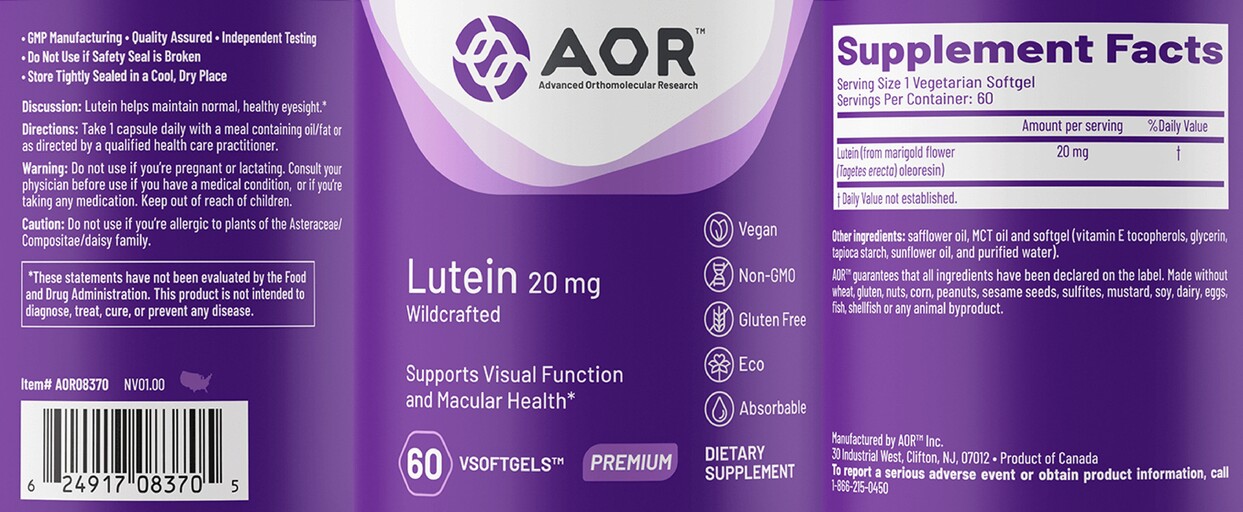
Take 1 capsule daily with a meal containing oil/fat or as directed by a qualified health care practitioner.
General guidance based on the ingredients, not a substitute for the label or your doctor.
Price Check
No price yet
What 76 lutein supplements cost
Track this supplement in your stack
Get personalized insights, interactions, and coverage recommendations.
Get Started FreeSimilar Supplements
Sources & Scoring
Nutrient data (RDA, UL, and safety thresholds) sourced from the NIH Office of Dietary Supplements and the National Academies Dietary Reference Intakes (DRI).
This is not medical advice. Consult a healthcare provider before making changes to your supplement routine.
The score analyzes what's on the label: ingredient doses vs. studied ranges, chemical forms, evidence levels, and known interactions. It does not verify label accuracy or test for contaminants — for that, look for third-party certifications like USP or NSF.