BioStacks
Best for
Ingredients (4)
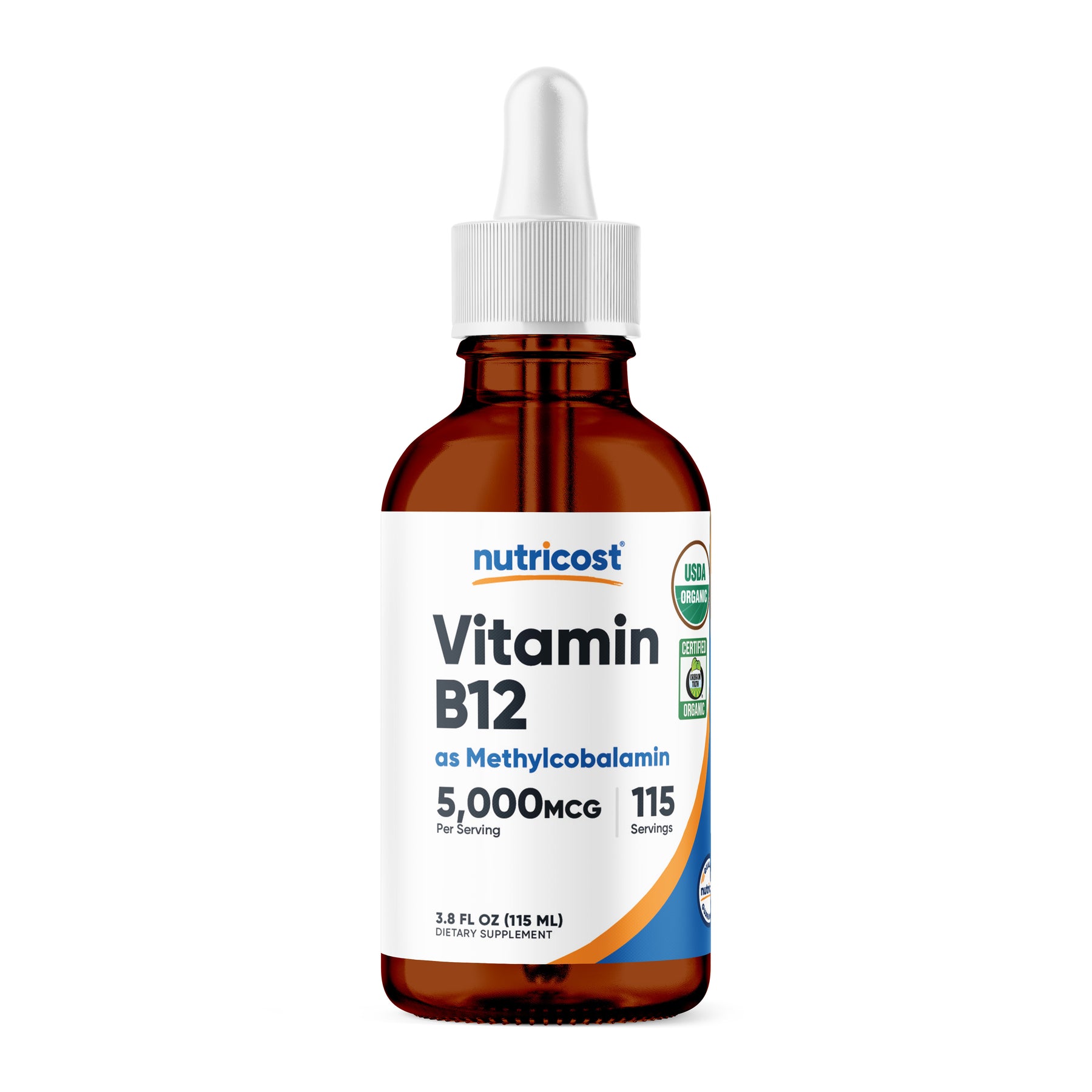
Methylcobalamin
100%Dose
3500 mcg
Target
250–5000 mcg
Form
Premium
Hydroxocobalamin
100%Dose
1000 mcg
Target
250–5000 mcg
Form
Premium
Adenosylcobalamin
100%Dose
500 mcg
Target
250–5000 mcg
Form
Premium
Vitamin B12
100%Dose
5000 mcg
Target
250–5000 mcg
Form
Not listed
Other Ingredients (6)
Organic Rice SyrupSweetener
High-glycemic glucose syrup that spikes blood sugar. Rice-derived syrups have been documented to carry inorganic arsenic (Jackson et al. 2012), a known carcinogen. 'Organic' does not remove arsenic.
XylitolSweetener
A FODMAP sugar alcohol that can cause GI distress (bloating, gas, diarrhea) at moderate doses (>10-20g/day), though supplement amounts are typically small. Extremely toxic to dogs — households with pets should store securely.
Ascorbyl PalmitateAntioxidant
Fat-soluble form of vitamin C used as preservative
Purified WaterSolvent
Water meeting USP specifications used as solvent/vehicle in gummies and liquids
HypromelloseCapsule
Plant-derived capsule material from cellulose
Microcrystalline CelluloseBinder
Plant-derived cellulose used as a binder and filler in supplements
How to Take It
Best taken in the morning
Many people prefer it earlier in the day; there's no evidence timing changes anything. Absorption is fine with or without food.
With or without food
On the label
Dissolve 1 lozenge under the tongue first thing in the morning, or as directed by a qualified health care practitioner.
General guidance based on the ingredients, not a substitute for the label or your doctor.
Price Check
No price yet
What 235 vitamin B12 supplements cost
Track this supplement in your stack
Get personalized insights, interactions, and coverage recommendations.
Get Started FreeSimilar Supplements
Sources & Scoring
Nutrient data (RDA, UL, and safety thresholds) sourced from the NIH Office of Dietary Supplements and the National Academies Dietary Reference Intakes (DRI).
This is not medical advice. Consult a healthcare provider before making changes to your supplement routine.
The score analyzes what's on the label: ingredient doses vs. studied ranges, chemical forms, evidence levels, and known interactions. It does not verify label accuracy or test for contaminants — for that, look for third-party certifications like USP or NSF.