BioStacks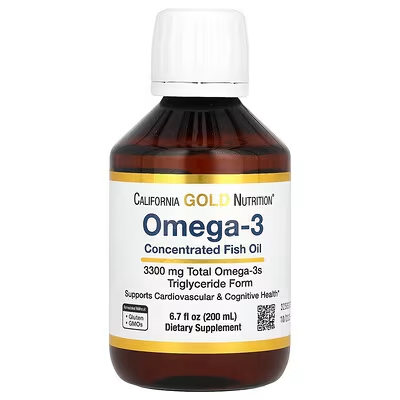
Ingredients (4)
Docosahexaenoic Acid
100%Dose
394 mg
Target
250–1000 mg
Form
—
Eicosapentaenoic Acid
100%Dose
787 mg
Target
500–2000 mg
Form
—
Other Omega-3 Fatty Acids
20%Dose
197 mg
Target
1000–3000 mg
Form
Not listed
Omega-3 Fatty Acids
Amount not found
Other Ingredients (7)
Natural FlavorsFlavor
Broad regulatory category of flavor constituents derived from natural sources. Composition is proprietary and not disclosed — 'Natural Flavors' can include several hundred different compounds depending on the target flavor profile, including hexane-extracted constituents and proprietary carrier solvents. 'Natural' is a regulatory definition (21 CFR §101.22), not a safety guarantee.
Citric AcidAcidulant
Natural acid derived from citrus fruits
Ascorbic AcidAntioxidant
Vitamin C used as an antioxidant preservative in supplements to prevent oxidation
Ascorbyl PalmitateAntioxidant
Fat-soluble form of vitamin C used as preservative
Sunflower LecithinEmulsifier
Non-GMO, non-allergenic emulsifier derived from sunflower seeds
Mixed TocopherolsAntioxidant
Natural vitamin E used as preservative
Rosemary ExtractPreservative
Natural plant-derived antioxidant used to preserve freshness and prevent oxidation of oils and fats in supplements
How to Take It
Take it anytime
Take with a meal — absorption improves with dietary fat and it prevents fishy burps.
With food
On the label
2 softgels daily with a meal.
General guidance based on the ingredients, not a substitute for the label or your doctor.
Price Check
$28.79
Near the median of 103 DHA supplements
Track this supplement in your stack
Get personalized insights, interactions, and coverage recommendations.
Get Started FreeSimilar Supplements
Momentous
Omega-3
❤️ for Heart
100
California Gold Nutrition
Norwegian Extra Strength Omega 3 Fish Oil, Natural Lemon, 6.7 fl oz (200 ml)
❤️ for Heart
99
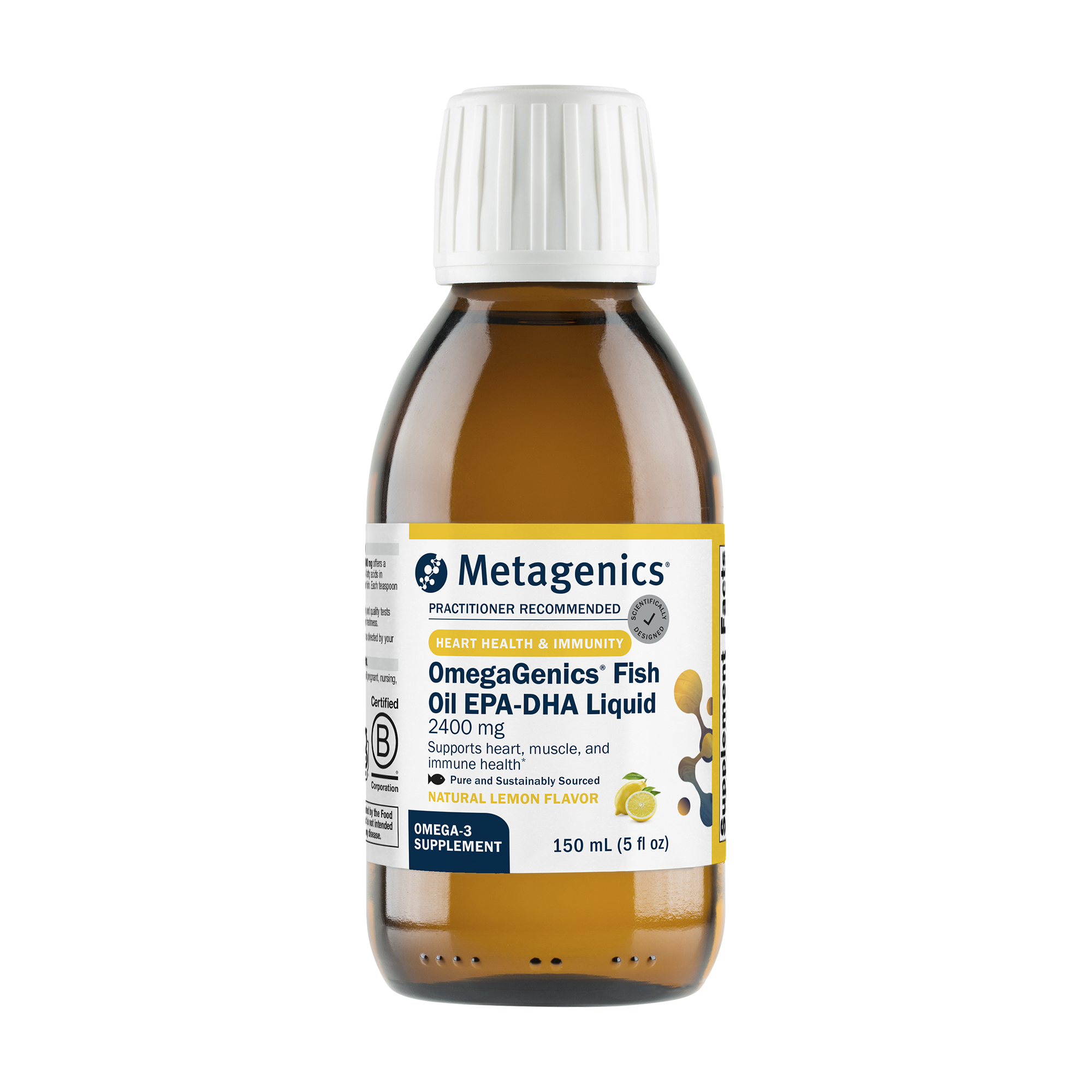
Metagenics
OmegaGenics Fish Oil EPA-DHA 2400 mg (Lemon)
❤️ for Heart
99
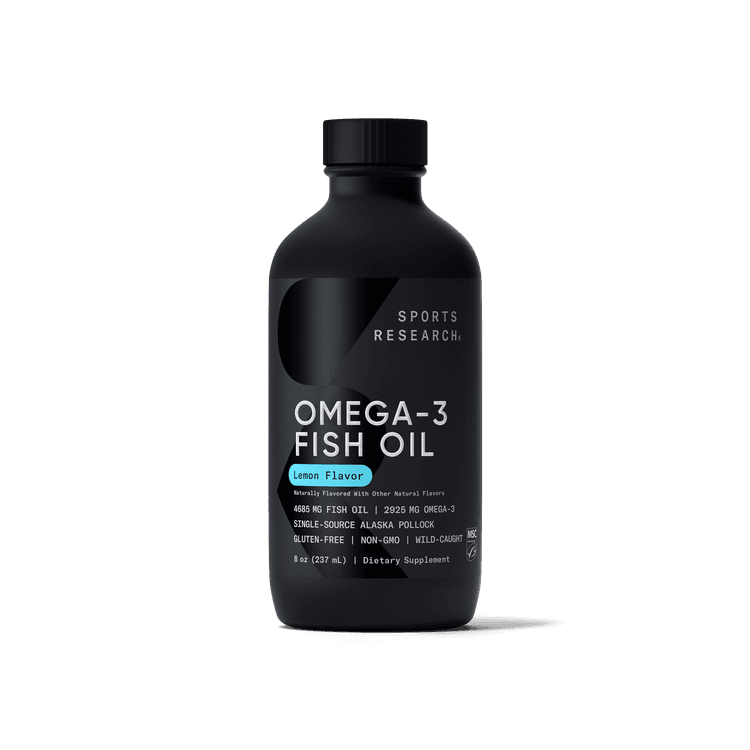
Sports Research
Omega-3 Fish Oil Liquid (Lemon Flavor)
❤️ for Heart
99
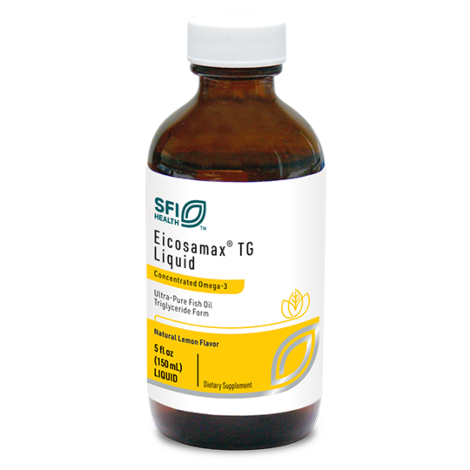
SFI Health
Eicosamax TG Liquid Natural Lemon Flavor
❤️ for Heart
98
Sources & Scoring
Nutrient data (RDA, UL, and safety thresholds) sourced from the NIH Office of Dietary Supplements and the National Academies Dietary Reference Intakes (DRI).
This is not medical advice. Consult a healthcare provider before making changes to your supplement routine.
The score analyzes what's on the label: ingredient doses vs. studied ranges, chemical forms, evidence levels, and known interactions. It does not verify label accuracy or test for contaminants — for that, look for third-party certifications like USP or NSF.