BioStacks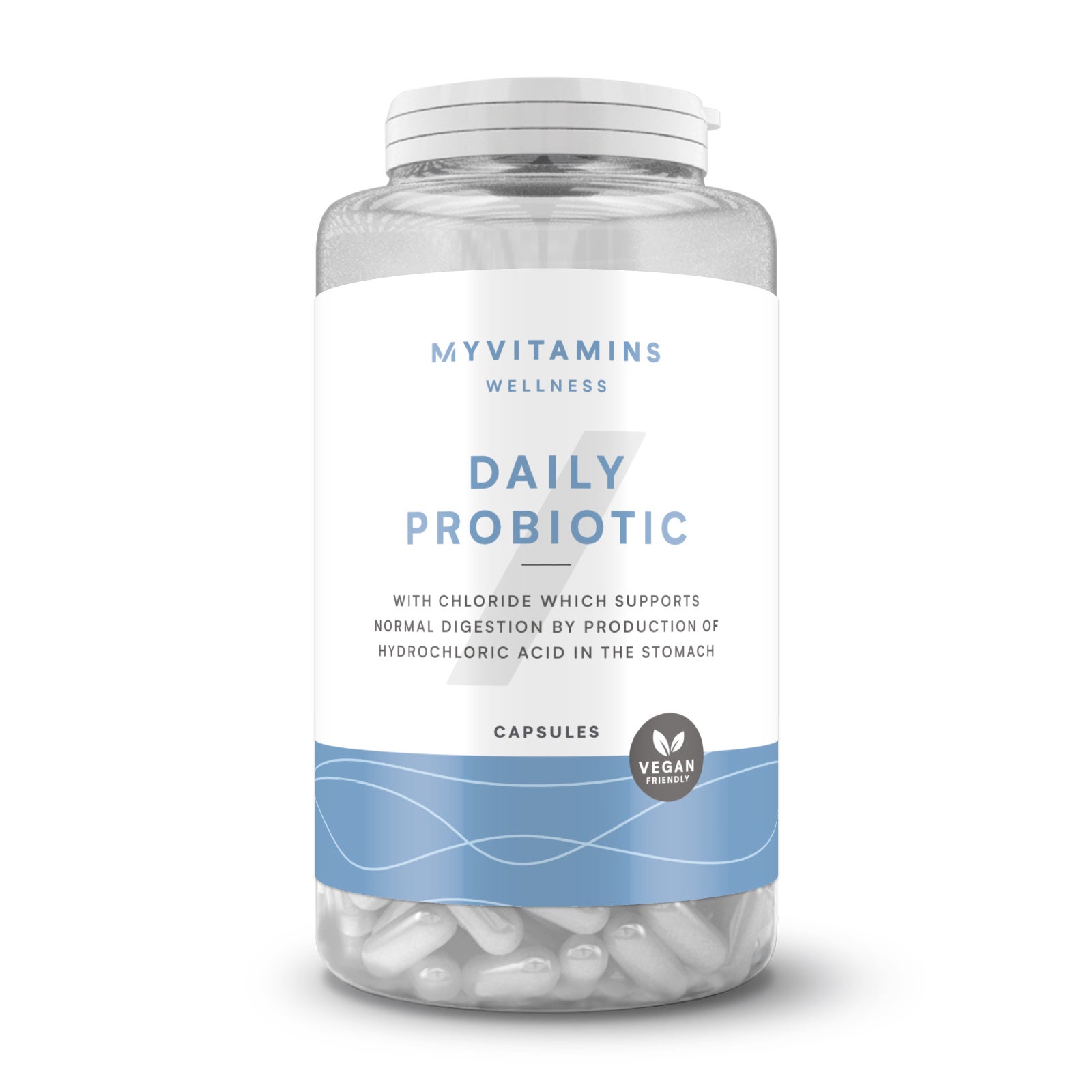
Best for
Ingredients (12)
Bacillus subtilis DE111
98%Dose
4 B CFU
Target
1–5 B CFU
Form
Premium
Bacillus coagulans
92%Dose
2 B CFU
Target
1–6 B CFU
Form
Standard
Lactobacillus rhamnosus
92%Dose
4 B CFU
Target
1–20 B CFU
Form
Standard
Lactobacillus casei
92%Dose
4 B CFU
Target
1–20 B CFU
Form
Standard
Bifidobacterium longum
90%Dose
4 B CFU
Target
1–100 B CFU
Form
Standard
Other Ingredients (2)
Rice FlourFiller
Rice-based ingredients carry risk of inorganic arsenic contamination (FDA and Consumer Reports). Rice accumulates arsenic from soil at higher rates than other grains. Used as a cheap filler — adds nothing beneficial.
Capsule ShellCapsule
Generic capsule shell where the label does not specify the material. Common materials are hypromellose (HPMC) for vegetarian capsules and gelatin for traditional capsules — both are GRAS-listed and safe. Fish gelatin and pullulan variants also exist.
How to Take It
Best taken in the morning
Live strains survive stomach acid best taken with or just before a meal — after a meal is the worst option. Consistency matters more than the clock.
With food
Keep it away from hot food or drink
On the label
Directions: Take 2 capsules daily with a meal.
General guidance based on the ingredients, not a substitute for the label or your doctor.
Price Check
No price yet
What 108 digestion supplements cost
Track this supplement in your stack
Get personalized insights, interactions, and coverage recommendations.
Get Started FreeSimilar Supplements
Myvitamins
Daily Probiotic Capsules
🍏 for Digestion
49
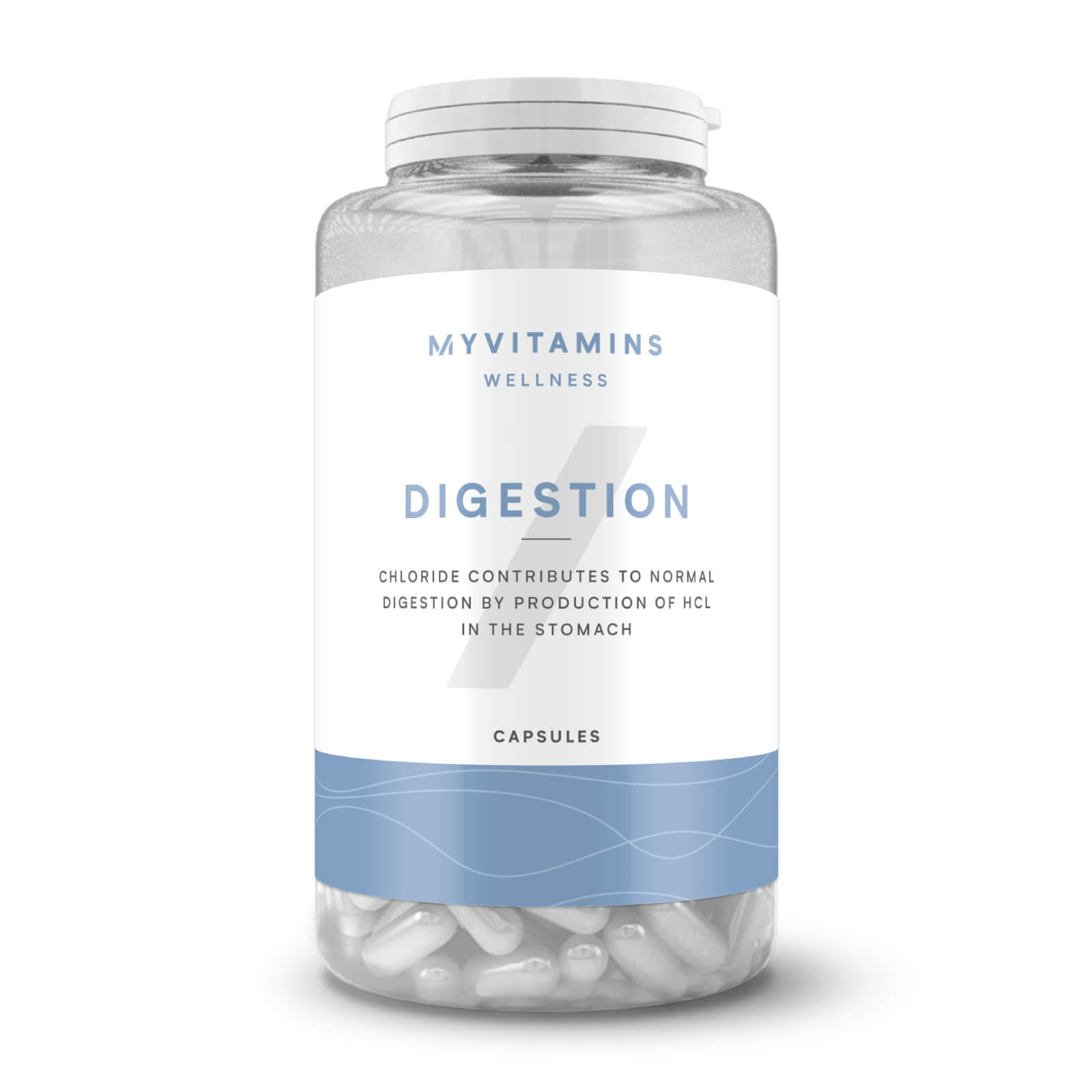
Myvitamins
Digestion Capsules
🍏 for Digestion
49
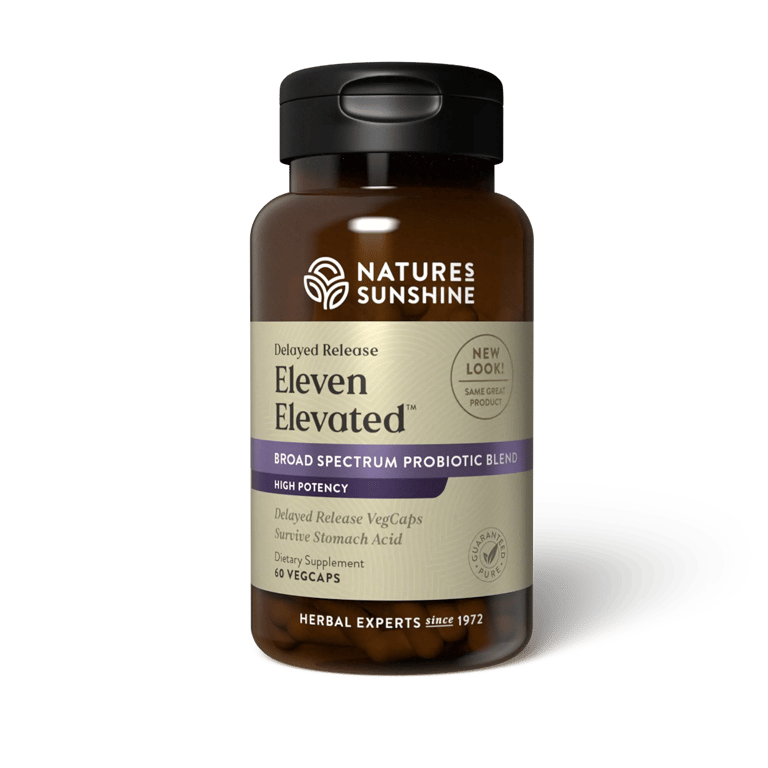
Nature's Sunshine
Delayed Release Eleven Elevated
🍏 for Digestion
47
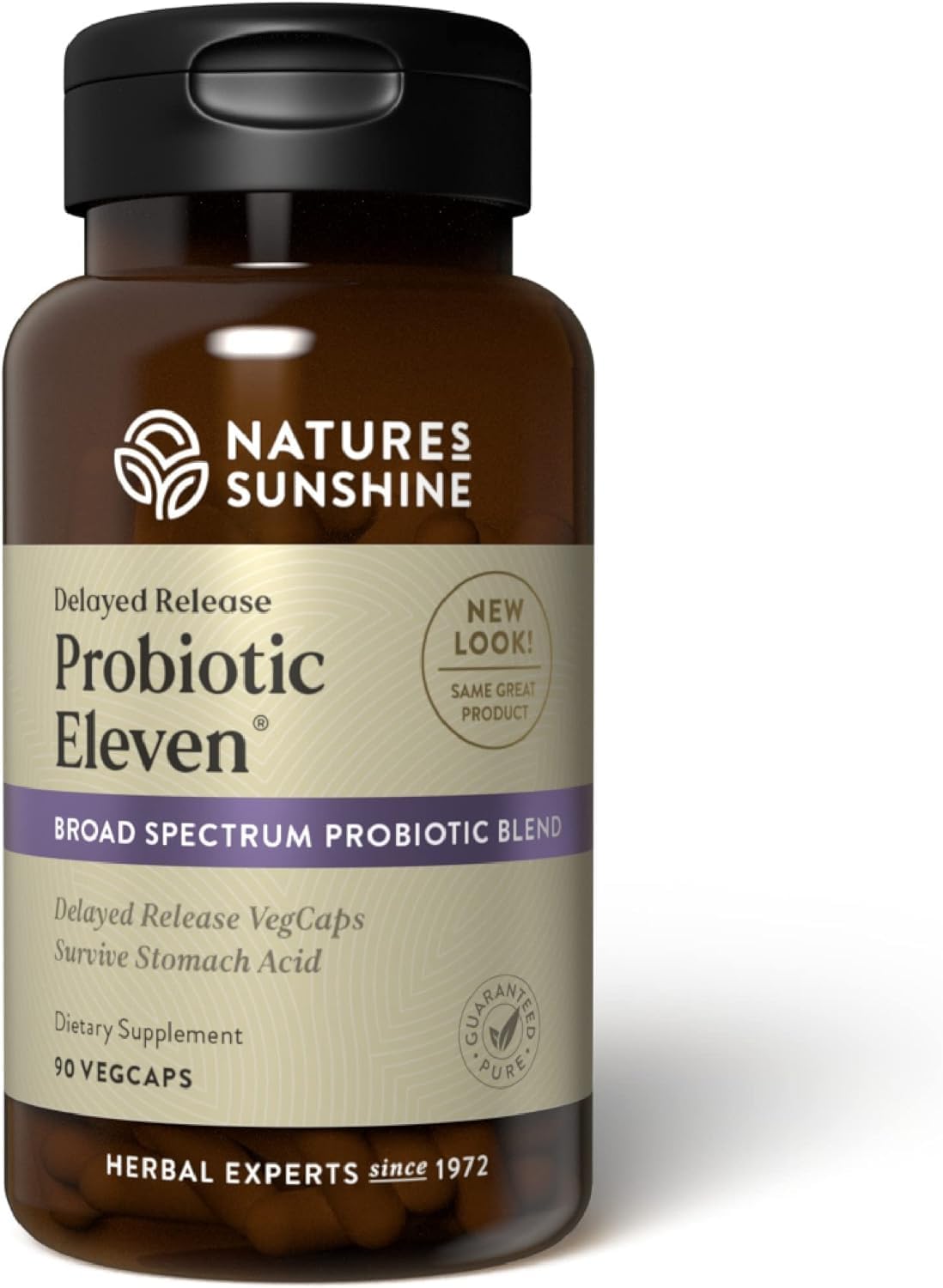
Nature's Sunshine
Delayed Release Probiotic Eleven
🍏 for Digestion
47
Vitabiotics
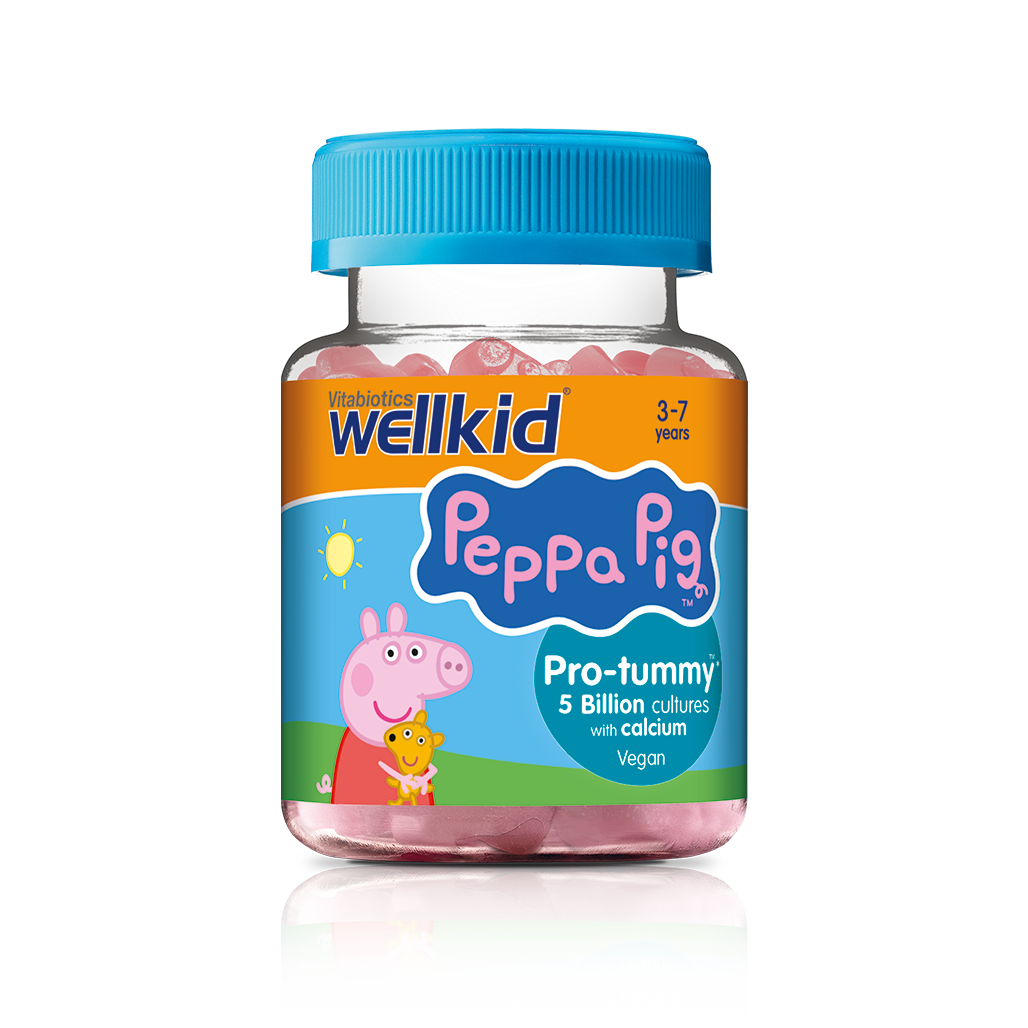
Wellkid Peppa Pig Pro-tummy Microbiotic Supplement
🍏 for Digestion
38
Sources & Scoring
Nutrient data (RDA, UL, and safety thresholds) sourced from the NIH Office of Dietary Supplements and the National Academies Dietary Reference Intakes (DRI).
This is not medical advice. Consult a healthcare provider before making changes to your supplement routine.
The score analyzes what's on the label: ingredient doses vs. studied ranges, chemical forms, evidence levels, and known interactions. It does not verify label accuracy or test for contaminants — for that, look for third-party certifications like USP or NSF.