BioStacksAsk AI about this product
What it does
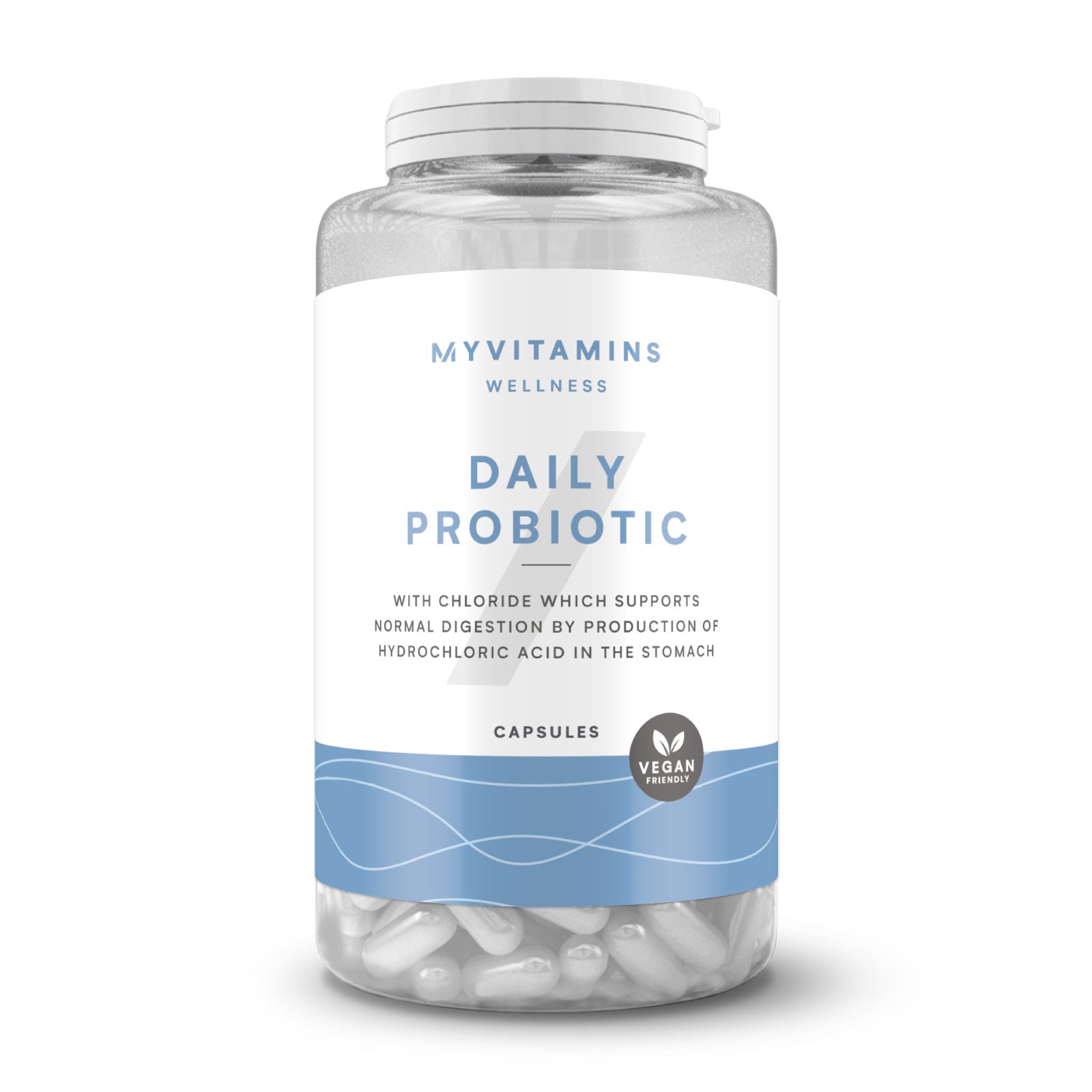
A combination of 6 label ingredients.
Chloride
chlorideStandard
Helps maintain normal fluid balance and blood volume.
Lactobacillus acidophilus
Mixed formsGrade —
Label lists Lactobacillus acidophilus (10 billion cfu). Benefit information is limited.
Ingredients (11)
Other ingredients
Silicon DioxideAnti-caking
Fine silica powder used to prevent clumping
Bifidobacterium bifidumProbiotic
Live probiotic bacterium of the Bifidobacterium genus, commonly used for digestive and immune support. Strain-specific evidence base in IBS, antibiotic-associated diarrhea, and infant colic.
Capsule ShellCapsule
Generic capsule shell where the label does not specify the material. Common materials are hypromellose (HPMC) for vegetarian capsules and gelatin for traditional capsules — both are GRAS-listed and safe. Fish gelatin and pullulan variants also exist.
Lactobacillus acidophilusProbiotic
Live probiotic bacterium native to the human GI tract and found in fermented foods. NCFM and La-14 are the most-studied strains with RCT evidence for digestive health, antibiotic-associated diarrhea, and lactose tolerance.
Lactobacillus plantarumProbiotic
A lactic-acid bacterium used as a probiotic strain.
Lactobacillus rhamnosusProbiotic
One of the most-studied probiotic species. The LGG strain (ATCC 53103) has the largest RCT evidence base of any probiotic — digestive health, antibiotic-associated diarrhea, eczema prevention in at-risk infants.
PotassiumMineral
Essential mineral naturally present in many plant-based supplement ingredients
Bifidobacterium breve
Not reviewed yet
Lab testing
How to take it
With food
Keep it away from hot food or drink
On the label
For best results, we recommend taking one capsule a day. It’s not good on an empty stomach, so make sure you have it 30 minutes before or after food.
The label says to take it on an empty stomach. What's in this one sits better with food, and you give up little by taking it that way.
Price check
£13.79≈ $17.51 USD
£0.23 / serving
Cheaper than 79% of 108 digestion supplements
Similar products

Sources & Scoring
Nutrient data (RDA, UL, and safety thresholds) sourced from the NIH Office of Dietary Supplements and the National Academies Dietary Reference Intakes (DRI).
This is not medical advice. Consult a healthcare provider before making changes to your supplement routine.
The score analyzes what's on the label: ingredient doses vs. studied ranges, chemical forms, evidence levels, and known interactions. It does not verify label accuracy or test for contaminants — for that, look for third-party certifications like USP or NSF.
Not medical advice. Consult your healthcare professional.