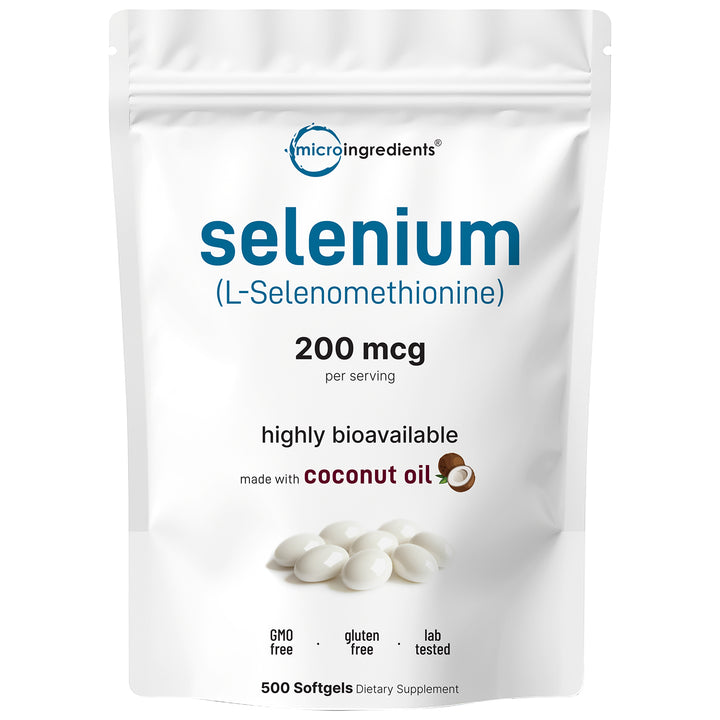
This **selenium** supplement delivers a full 200 mcg dose for thyroid and antioxidant support, right at the top of the typical supplemental range and built on L-selenomethionine, the form your body absorbs and retains most efficiently. Selenium powers the enzymes that activate thyroid hormone and recharge your cells' antioxidant defenses, so one capsule effectively covers both goals.
The thing to know is selenium's narrow safety window. The daily upper limit is 400 mcg, and most people in well-fed regions already get enough from food, with one or two Brazil nuts meeting a day's needs. At 200 mcg you stay comfortably under that ceiling, but only if this is your sole selenium source; pairing it with a multivitamin or other selenium products can push you toward excess, which over time causes hair thinning and brittle nails. Supplement if your intake is genuinely low, less so if your diet already covers you.
BioStacks
Best for
Ingredients (1)
Selenium
100%Dose
200 mcg
Target
100–200 mcg
Form
Premium
Other Ingredients (3)
Rice FlourFiller
Rice-based ingredients carry risk of inorganic arsenic contamination (FDA and Consumer Reports). Rice accumulates arsenic from soil at higher rates than other grains. Used as a cheap filler — adds nothing beneficial.
Magnesium StearateLubricant
A salt of stearic acid used as a lubricant in tablet and capsule production
Microcrystalline CelluloseBinder
Plant-derived cellulose used as a binder and filler in supplements
How to Take It
Take it anytime
Take with food. The gap between an effective dose and too much is narrow — don't stack several selenium sources.
With food
On the label
Suggested usage: Take 1 capsule daily with food. Best when taken as directed by a qualified healthcare professional.
General guidance based on the ingredients, not a substitute for the label or your doctor.
Price Check
No price yet
What 62 selenium supplements cost
Track this supplement in your stack
Get personalized insights, interactions, and coverage recommendations.
Get Started FreeSimilar Supplements
Sources & Scoring
Nutrient data (RDA, UL, and safety thresholds) sourced from the NIH Office of Dietary Supplements and the National Academies Dietary Reference Intakes (DRI).
This is not medical advice. Consult a healthcare provider before making changes to your supplement routine.
The score analyzes what's on the label: ingredient doses vs. studied ranges, chemical forms, evidence levels, and known interactions. It does not verify label accuracy or test for contaminants — for that, look for third-party certifications like USP or NSF.