BioStacks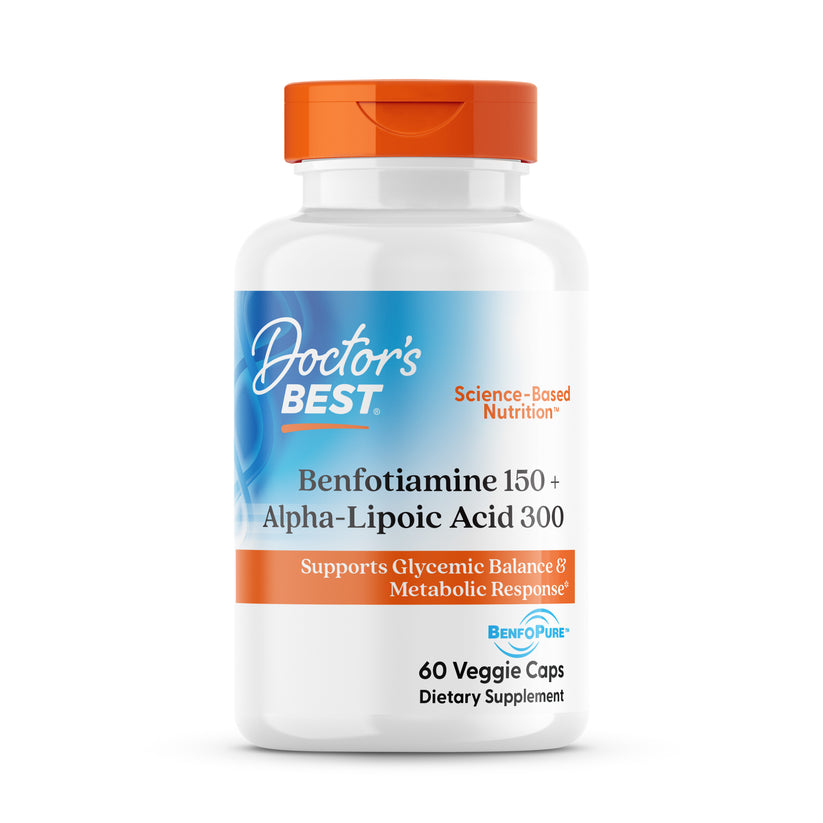
Best for
Ingredients (3)
Benfotiamine
100%Dose
300 mg
Target
80–300 mg
Form
Premium
Cinnulin PF Cinnamon bark extract
100%Dose
500 mg
Target
250–1000 mg
Form
—
R-Lipoic Acid
25%Dose
75 mg
Target
300–600 mg
Form
Premium
Other Ingredients (5)
Silicon DioxideAnti-caking
Fine silica powder used to prevent clumping
Magnesium StearateLubricant
A salt of stearic acid used as a lubricant in tablet and capsule production
Microcrystalline CelluloseBinder
Plant-derived cellulose used as a binder and filler in supplements
HypromelloseCapsule
Plant-derived capsule material from cellulose
Stearic AcidLubricant
Saturated fatty acid used as tablet lubricant
How to Take It
Best taken in the morning
Many people prefer B-vitamins earlier in the day; take with food to avoid nausea.
With food
ALA does better on an empty stomach, but something else in this bottle needs food. Taking the whole product with a meal is the better trade — an upset stomach is why most people stop.
On the label
Adults take 2 capsules daily with food. Do not exceed recommended dose. As a reminder, discuss the supplements and medications that you take with your health care providers.
General guidance based on the ingredients, not a substitute for the label or your doctor.
Price Check
$75.33
Pricier than 95% of 101 ALA supplements
Track this supplement in your stack
Get personalized insights, interactions, and coverage recommendations.
Get Started FreeSimilar Supplements
Doctor's Best
Benfotiamine 150 + Alpha-Lipoic Acid 300
🔥 for Metabolism
76
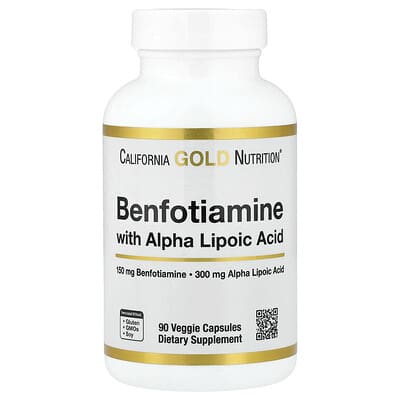
California Gold Nutrition
Benfotiamine with Alpha Lipoic Acid
🔥 for Metabolism
66
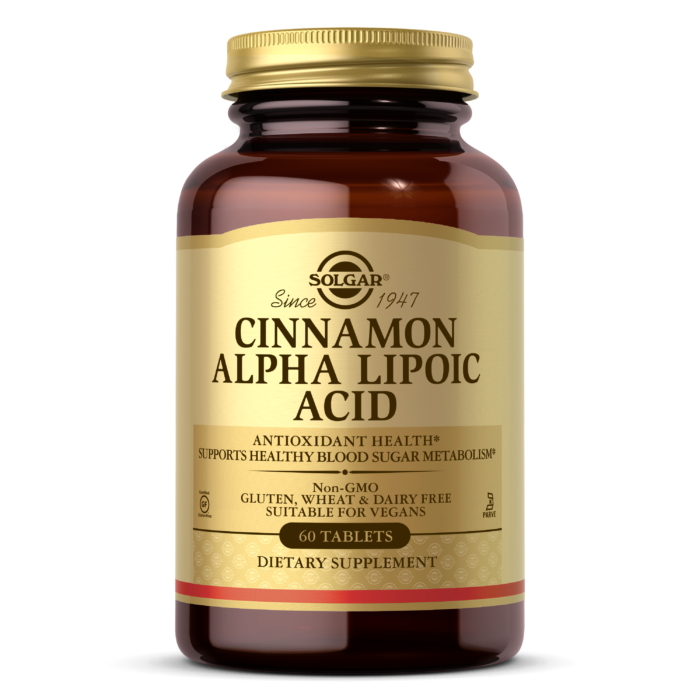
Solgar
Cinnamon Alpha Lipoic Acid Tablets
🔥 for Metabolism
65
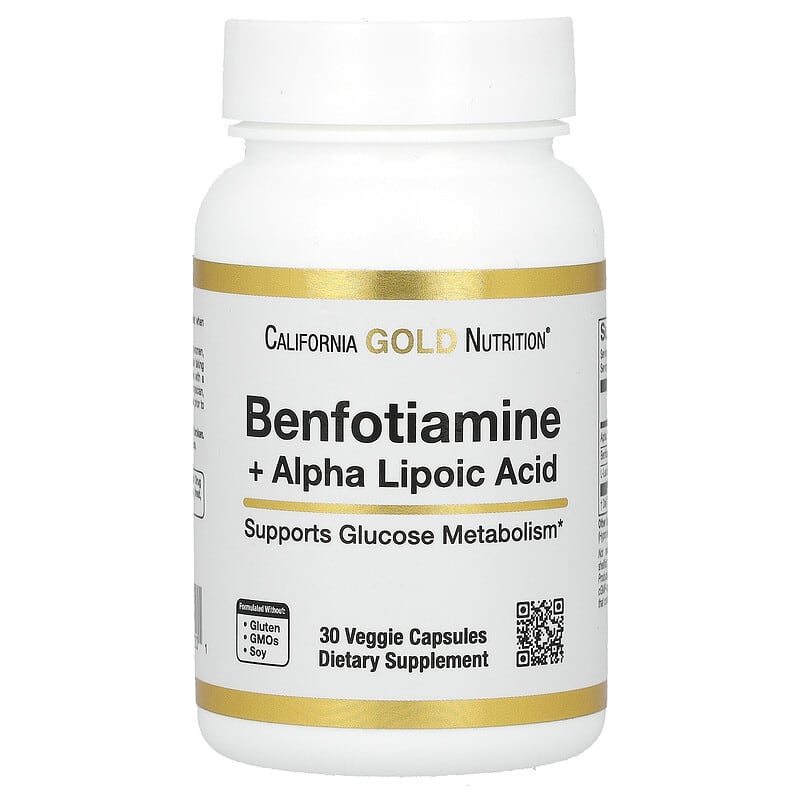
California Gold Nutrition
Benfotiamine + Alpha Lipoic Acid
🔥 for Metabolism
66
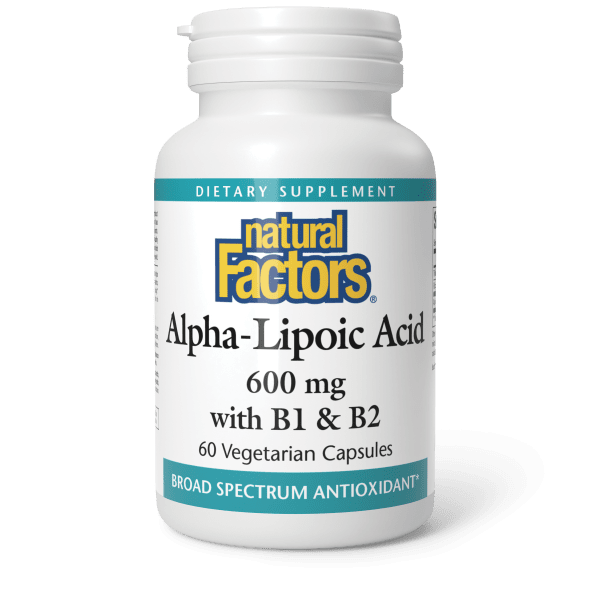
Natural Factors
Alpha-Lipoic Acid 600 mg
🔥 for Metabolism
64
Sources & Scoring
Nutrient data (RDA, UL, and safety thresholds) sourced from the NIH Office of Dietary Supplements and the National Academies Dietary Reference Intakes (DRI).
This is not medical advice. Consult a healthcare provider before making changes to your supplement routine.
The score analyzes what's on the label: ingredient doses vs. studied ranges, chemical forms, evidence levels, and known interactions. It does not verify label accuracy or test for contaminants — for that, look for third-party certifications like USP or NSF.