BioStacks
Best for
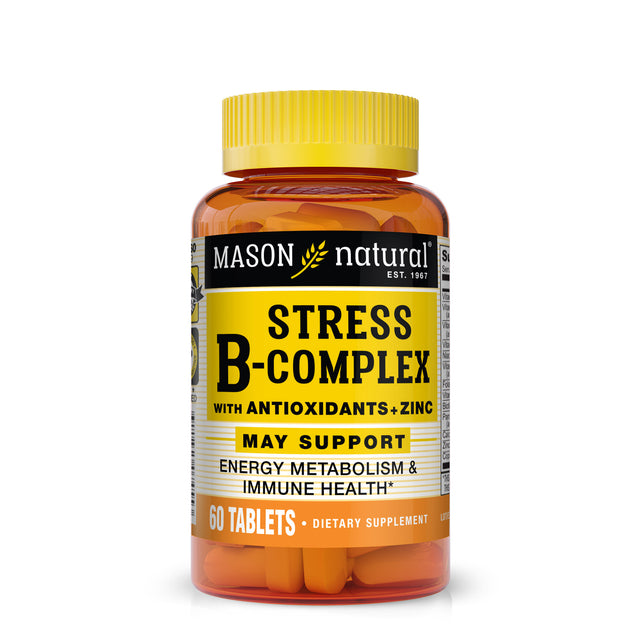
Ingredients (12)
Thiamine
6%Dose/day
1.4 mg
Target
25–100 mg
Form
Premium
Vitamin B6
8%Dose/day
2 mg
Target
25–100 mg
Form
Premium
Biotin
10%Dose/day
100 mcg
Target
1000–5000 mcg
Form
—
Vitamin C
100%Dose/day
60 mg
Target
25–200 mg
Form
Budget
Zinc
67%Dose/day
10 mg
Target
15–30 mg
Form
Standard
Other Ingredients (7)
MannitolSweetener
A FODMAP sugar alcohol that can cause GI distress (bloating, gas, diarrhea) at higher doses. Supplement amounts are typically small, but individuals with IBS or sugar alcohol sensitivity may react even at low doses.
Silicon DioxideAnti-caking
Fine silica powder used to prevent clumping
Magnesium StearateLubricant
A salt of stearic acid used as a lubricant in tablet and capsule production
Microcrystalline CelluloseBinder
Plant-derived cellulose used as a binder and filler in supplements
StarchBinder
Carbohydrate polymer used as a binder, filler, and disintegrant in tablets and capsules
HypromelloseCapsule
Plant-derived capsule material from cellulose
Vegetable OilCarrier
Edible oils used as carriers in softgels and as processing aids
How to Take It
Take it anytime
No evidence a formula this broad works better at any particular hour. Take it with a meal containing fat — the vitamin E in it absorbs poorly without one.
With a meal containing fat
Space it a couple of hours from Iron and Calcium
Split into 2 doses across the day
On the label
1 capsule, twice daily, or as recommended by your healthcare practitioner. If pregnant or nursing, consult a healthcare practitioner before use.
General guidance based on the ingredients, not a substitute for the label or your doctor.
Price Check
$45.95
Pricier than 79% of 292 immune supplements
Track this supplement in your stack
Get personalized insights, interactions, and coverage recommendations.
Get Started FreeSimilar Supplements
Sources & Scoring
Nutrient data (RDA, UL, and safety thresholds) sourced from the NIH Office of Dietary Supplements and the National Academies Dietary Reference Intakes (DRI).
This is not medical advice. Consult a healthcare provider before making changes to your supplement routine.
The score analyzes what's on the label: ingredient doses vs. studied ranges, chemical forms, evidence levels, and known interactions. It does not verify label accuracy or test for contaminants — for that, look for third-party certifications like USP or NSF.