BioStacks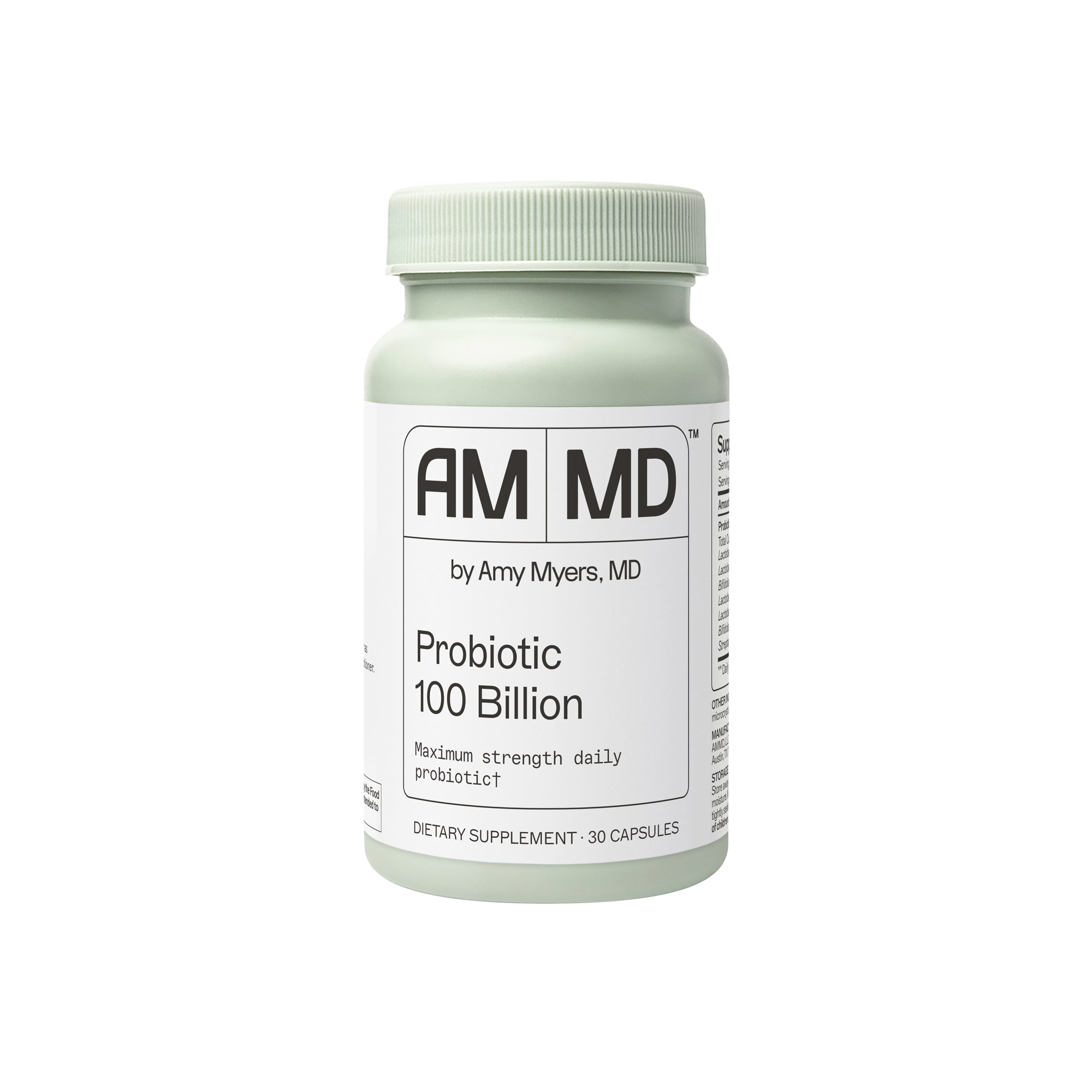
Best for
Ingredients (8)
Baby Probiotic Blend
100%Dose
4 billion cfu
Target
1–100 B CFU
Form
Not listed
Bifidobacterium bifidum
Amount not found
Lactobacillus acidophilus
Amount not found
Lactobacillus rhamnosus
Amount not found
Lactobacillus reuteri
Amount not found
Children's product — scores and dose assessments use adult reference ranges. Actual adequacy may differ for children.
Other Ingredients (2)
Gum AcaciaBinder
Natural plant gum (acacia) used as a binder, stabilizer, and emulsifier in foods and supplements
Sunflower Seed OilCarrier
Common vegetable oil from sunflower seeds used as a carrier in softgels for fat-soluble nutrients
How to Take It
Best taken in the morning
Live strains survive stomach acid best taken with or just before a meal — after a meal is the worst option. Consistency matters more than the clock.
With food
Keep it away from hot food or drink
On the label
Shake well before each use. For infants 6 months and older, drops can be given on the breast, mixed with breast milk or formula (BPA Free syringe included). Do not administer directly into child's mouth. Consume within 90 days of opening. Clean syringe thoroughly after each use.
General guidance based on the ingredients, not a substitute for the label or your doctor.
Price Check
$19.99
Cheaper than 75% of 137 probiotics supplements
Track this supplement in your stack
Get personalized insights, interactions, and coverage recommendations.
Get Started FreeSimilar Supplements
Amy Myers MD
Probiotic 100 Billion
🍏 for Digestion
85
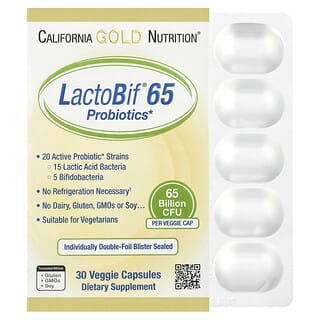
California Gold Nutrition
LactoBif 65 Probiotics 65 Billion CFU
🍏 for Digestion
82
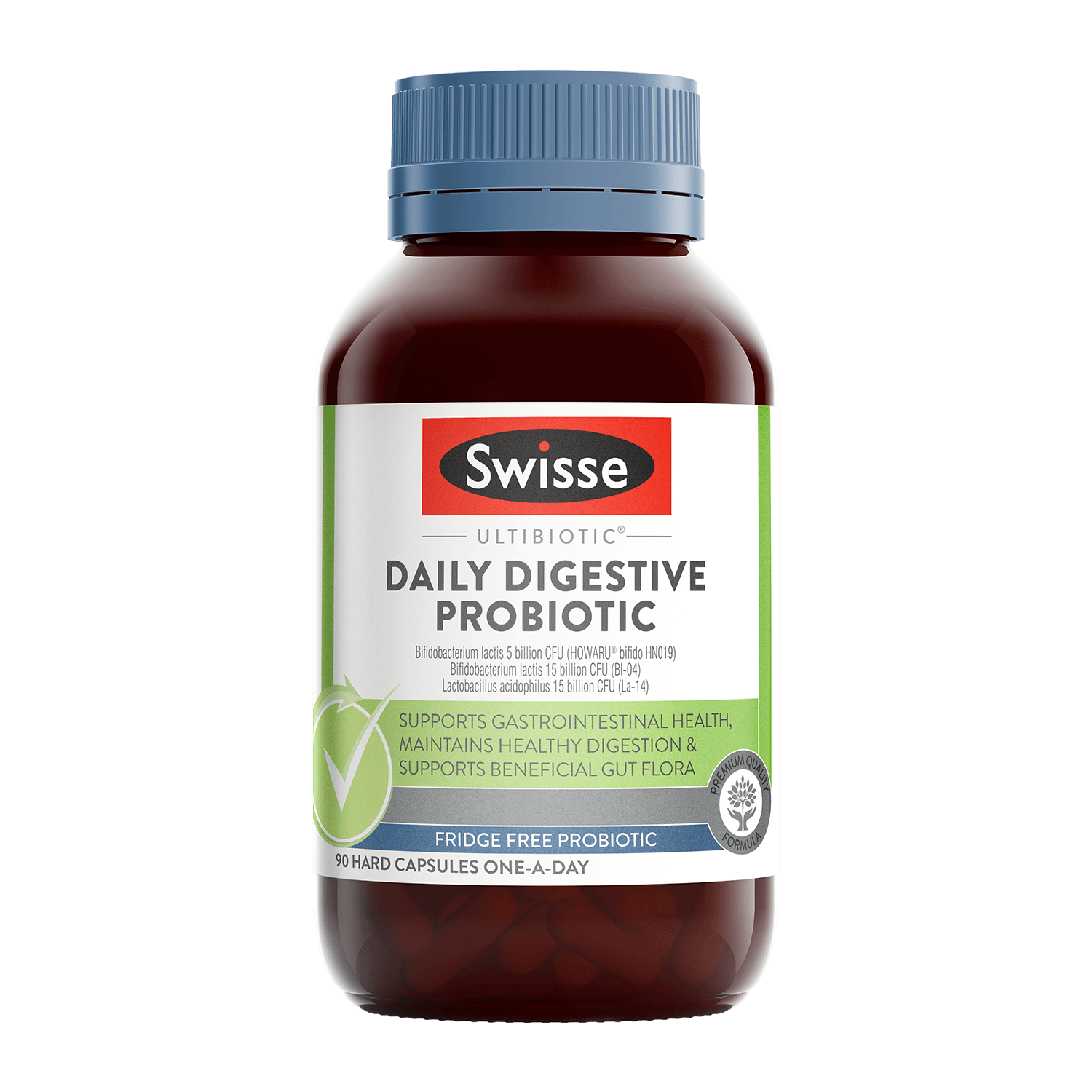
Swisse
Daily Digestive Probiotic
🍏 for Digestion
73
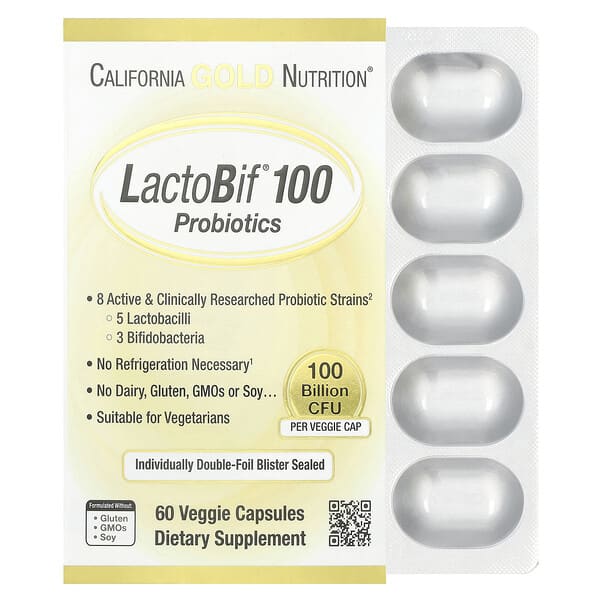
California Gold Nutrition
California Gold Nutrition, LactoBif 100 Probiotics, 100 Billion CFU, 60 Veggie Capsules
🍏 for Digestion
68
California Gold Nutrition
LactoBif 100 Probiotics 100 Billion CFU
🍏 for Digestion
68
Sources & Scoring
Nutrient data (RDA, UL, and safety thresholds) sourced from the NIH Office of Dietary Supplements and the National Academies Dietary Reference Intakes (DRI).
This is not medical advice. Consult a healthcare provider before making changes to your supplement routine.
The score analyzes what's on the label: ingredient doses vs. studied ranges, chemical forms, evidence levels, and known interactions. It does not verify label accuracy or test for contaminants — for that, look for third-party certifications like USP or NSF.