BioStacks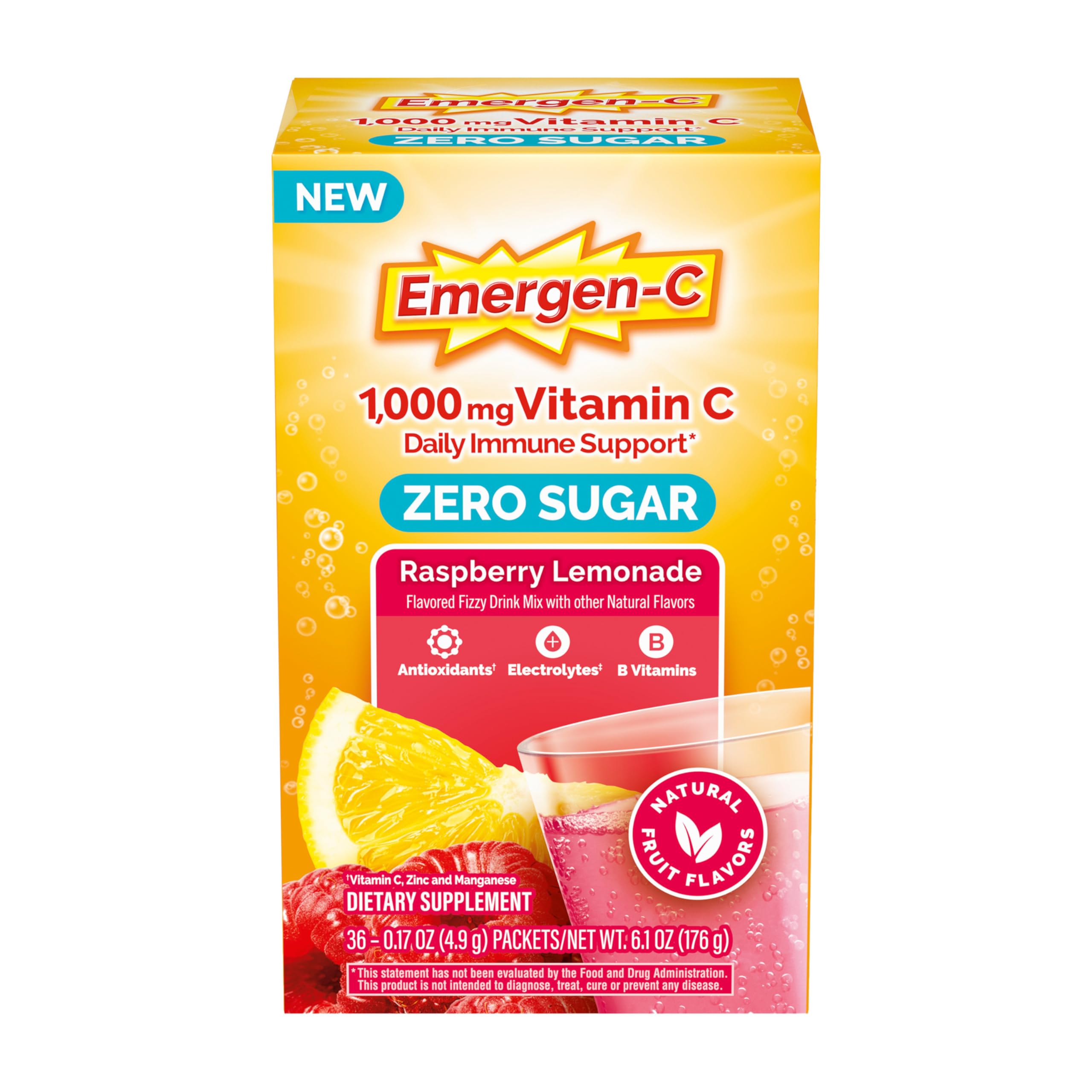
Best for
Ingredients (11)
Vitamin B-6
100%Dose
2 mg
Target
1.3–25 mg
Form
Premium
Pantothenic Acid
10%Dose
5 mg
Target
50–500 mg
Form
Premium
Potassium
100%Dose
99 mg
Target
99–500 mg
Form
Standard
Vitamin A
100%Dose
3000 mcg RAE
Target
700–1500 mcg
Form
Budget
Calcium
100%Dose
250 mg
Target
200–600 mg
Form
Budget
Other Ingredients (4)
Titanium DioxideColorant
Banned in the EU (2022) over concerns that its ultra-fine particles may damage DNA in gut cells. Still allowed in the US. Used only for white coloring — provides no health benefit.
Rose Hips (base)Botanical Base
Dried fruit of Rosa canina used as a whole-food base in vitamin C formulas; contributes trace natural vitamin C
MonoglyceridesEmulsifier
Glycerol monoesters of fatty acids used as emulsifiers and processing lubricants
Microcrystalline CelluloseBinder
Plant-derived cellulose used as a binder and filler in supplements
How to Take It
Take it anytime
No evidence a formula this broad works better at any particular hour. Take it with a meal containing fat — the vitamin A in it absorbs poorly without one.
With a meal containing fat
Keep it away from high-oxalate foods like spinach
Space it a couple of hours from Iron
On the label
As a dietary supplement, take two caplets daily.
General guidance based on the ingredients, not a substitute for the label or your doctor.
Price Check
No price yet
What 95 dental supplements cost
Track this supplement in your stack
Get personalized insights, interactions, and coverage recommendations.
Get Started FreeSimilar Supplements
Emergen-C
Zero Sugar 1000 mg Vitamin C (Raspberry Lemonade)
💧 for Hydration
42
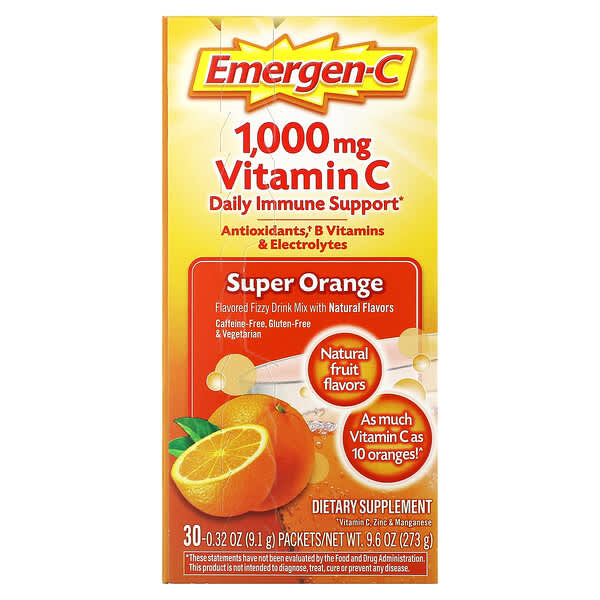
Emergen-C
Vitamin C, Super Orange, 1,000 mg, 30 Packets, 0.32 oz (9.1 g) Each
💧 for Hydration
38
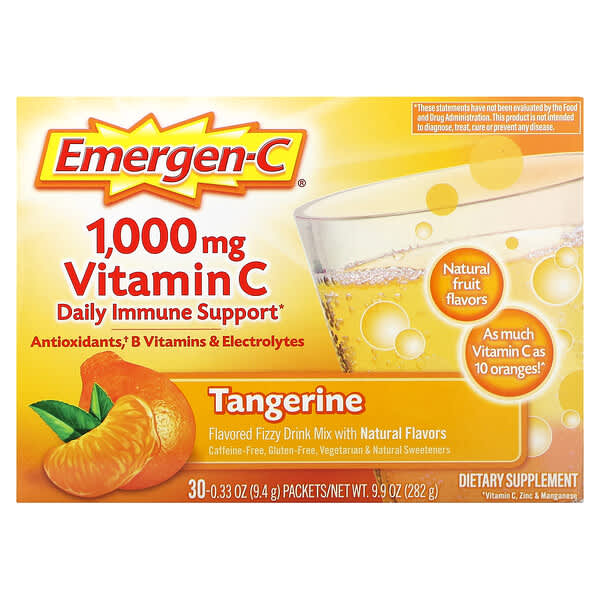
Emergen-C
Vitamin C, Tangerine, 1,000 mg, 30 Packets, 0.33 oz (9.4 g) Each
💧 for Hydration
36
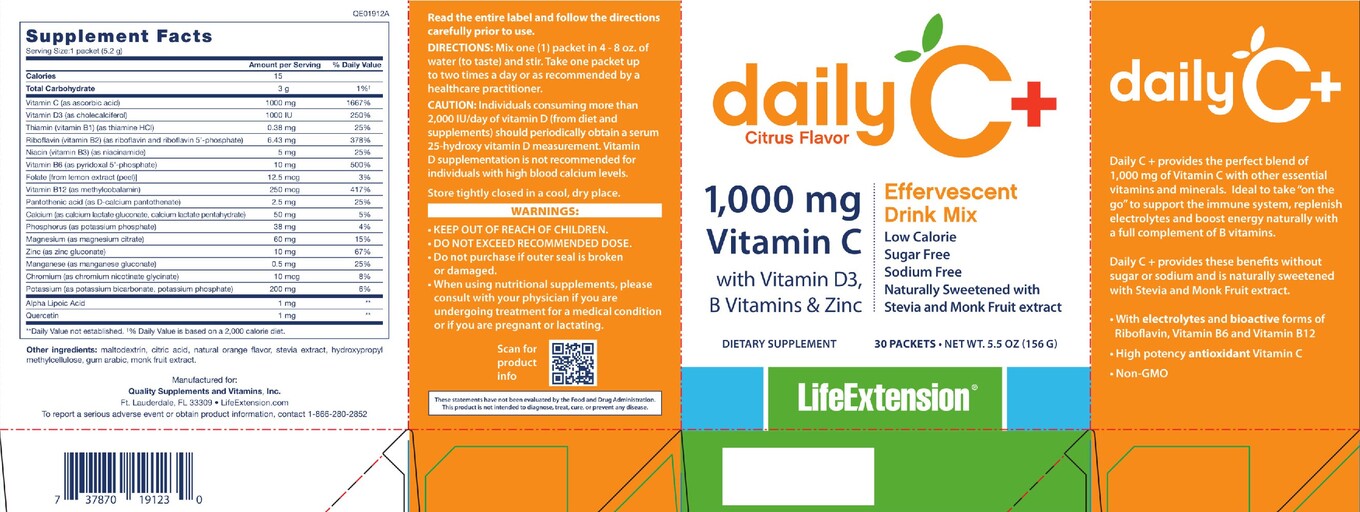
Life Extension
Daily C + Citrus Flavor
🛡️ for Immune
57
Emergen-C
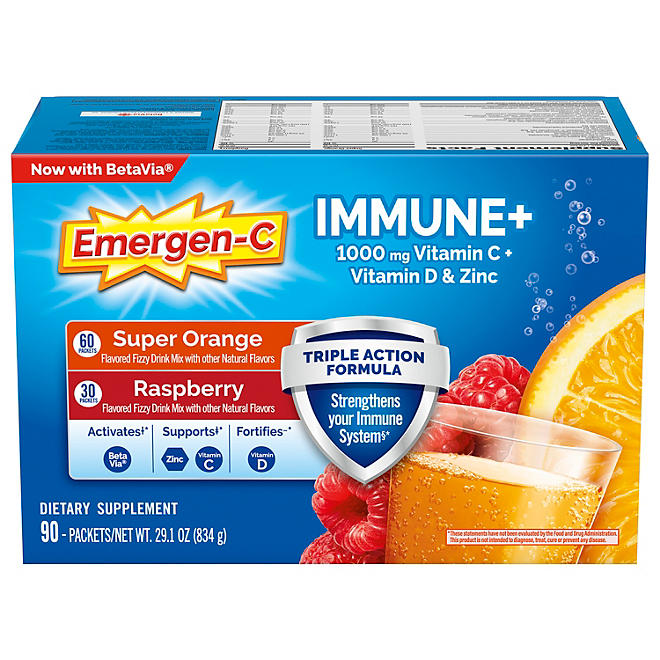
Immune+ Triple Action Vitamin C Powder
💧 for Hydration
38
Sources & Scoring
Nutrient data (RDA, UL, and safety thresholds) sourced from the NIH Office of Dietary Supplements and the National Academies Dietary Reference Intakes (DRI).
This is not medical advice. Consult a healthcare provider before making changes to your supplement routine.
The score analyzes what's on the label: ingredient doses vs. studied ranges, chemical forms, evidence levels, and known interactions. It does not verify label accuracy or test for contaminants — for that, look for third-party certifications like USP or NSF.