BioStacks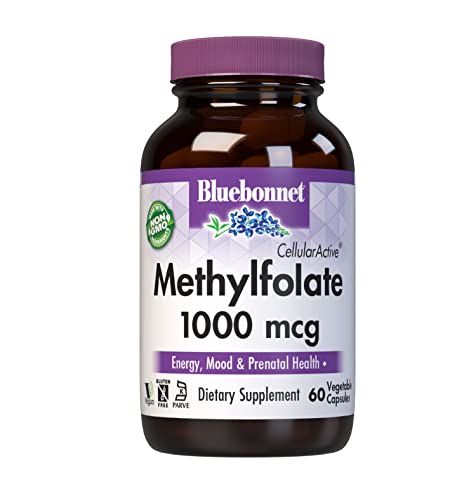
Ingredients (1)
Folic Acid
100%Dose
400 mcg
Target
400–800 mcg
Form
Budget
Other Ingredients (6)
Folic AcidVitamin
Synthetic form of vitamin B9 used for fortification — supports red blood cell formation and neural tube development. Pharmacologically distinct from the natural/active form (5-methyltetrahydrofolate, methylfolate).
Magnesium StearateLubricant
A salt of stearic acid used as a lubricant in tablet and capsule production
Lithothamnion CalcareaFiller
Calcified red seaweed used as a whole-food tablet base and natural calcium/magnesium source (common in food-based multivitamin lines)
ZeinCoating
Corn-derived prolamine protein used as a natural tablet glaze and moisture barrier — a plant-based alternative to shellac
Microcrystalline CelluloseBinder
Plant-derived cellulose used as a binder and filler in supplements
Stearic AcidLubricant
Saturated fatty acid used as tablet lubricant
How to Take It
Take it anytime
Water-soluble — timing is flexible. Consistency matters more than the clock.
With or without food
On the label
Take 1-2 tablets a day, with meals. Do not exceed recommended daily intake. A daily multivitamin is also recommended.
General guidance based on the ingredients, not a substitute for the label or your doctor.
Price Check
$8.22
Cheaper than 87% of 138 vitamin B9 supplements
Track this supplement in your stack
Get personalized insights, interactions, and coverage recommendations.
Get Started FreeSimilar Supplements
Bluebonnet
CellularActive Methylfolate 1000 mcg
🤰 for Pregnancy
100
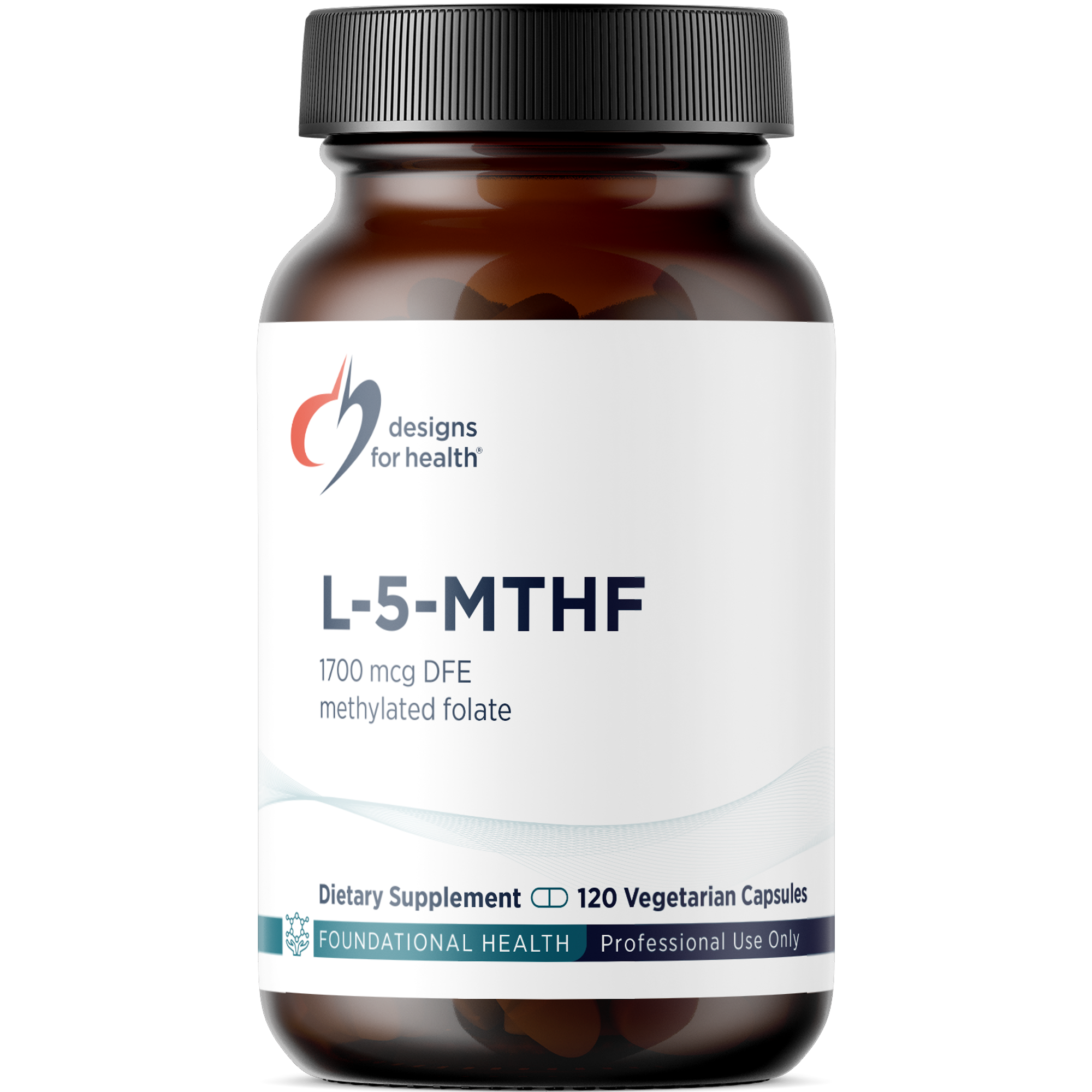
Designs for Health
L-5-MTHF 1700 mcg
🤰 for Pregnancy
100
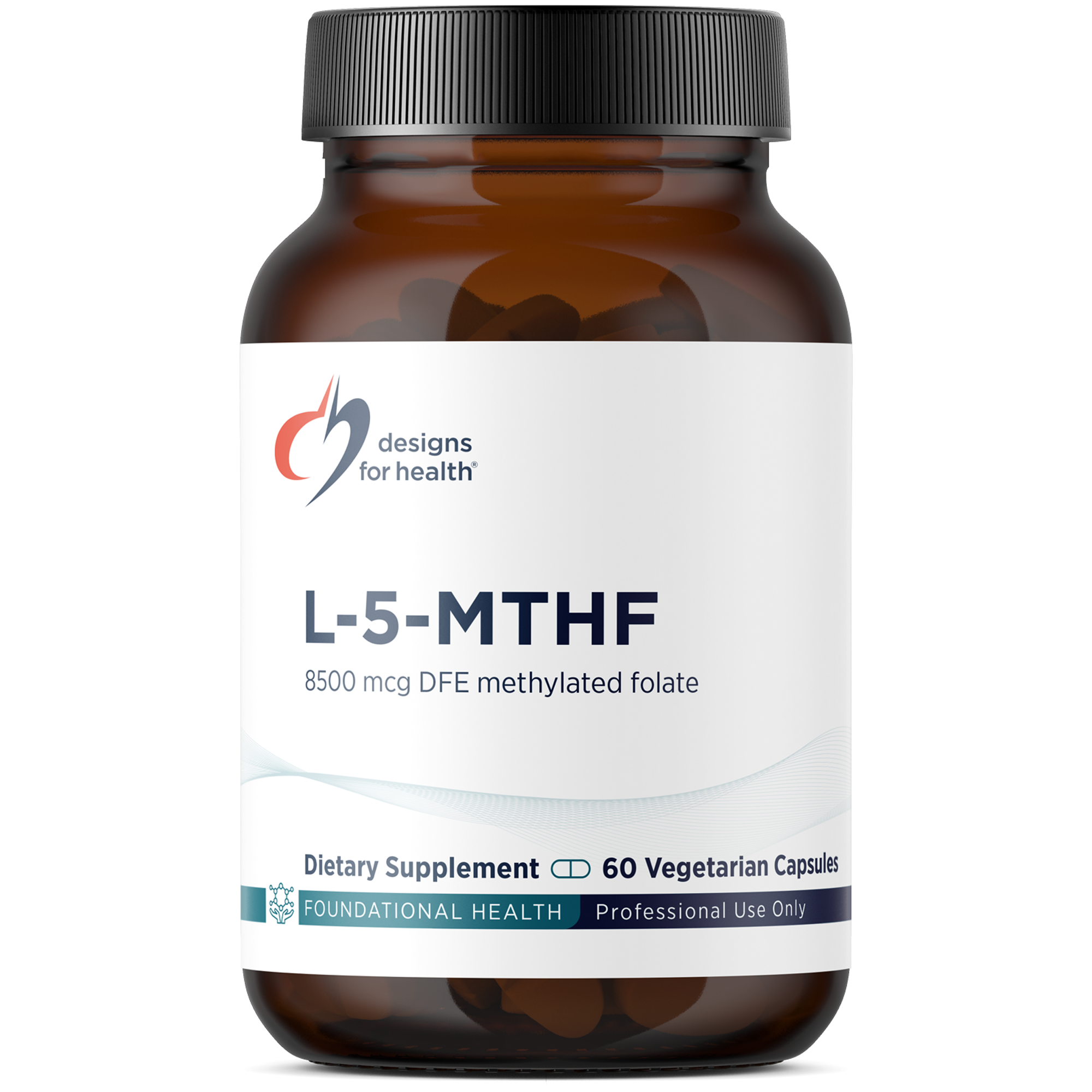
Designs for Health
L-5-MTHF 8500 Mcg
🤰 for Pregnancy
100
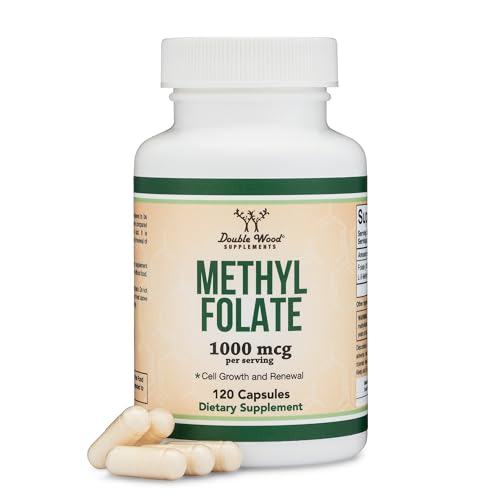
Double Wood Supplements
Methyl Folate 1000mcg
🤰 for Pregnancy
100
Life Extension
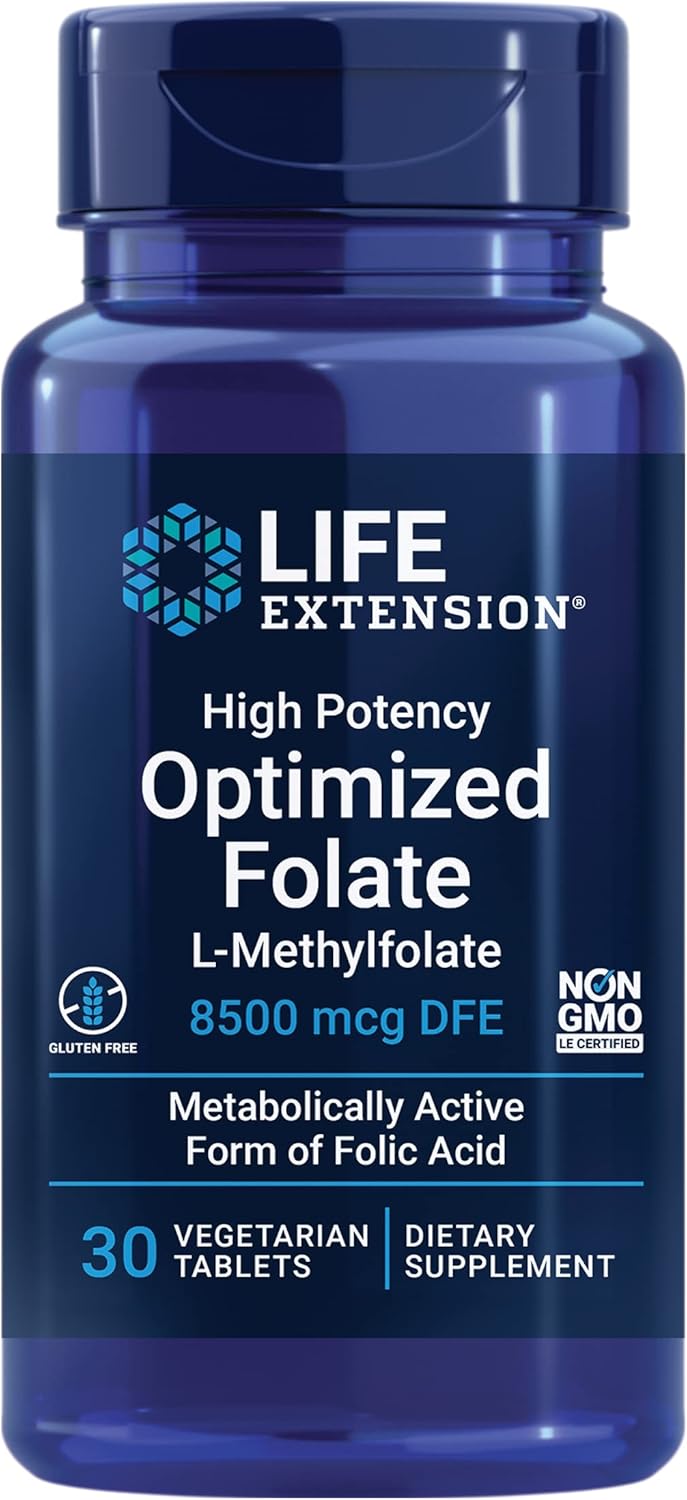
High Potency Optimized Folate 8500 mcg DFE
🤰 for Pregnancy
100
Sources & Scoring
Nutrient data (RDA, UL, and safety thresholds) sourced from the NIH Office of Dietary Supplements and the National Academies Dietary Reference Intakes (DRI).
This is not medical advice. Consult a healthcare provider before making changes to your supplement routine.
The score analyzes what's on the label: ingredient doses vs. studied ranges, chemical forms, evidence levels, and known interactions. It does not verify label accuracy or test for contaminants — for that, look for third-party certifications like USP or NSF.